
The Butterflies of Northamptonshire in 2025
Considering that 2024 was one of the worst years in living memory for our local butterflies, it shouldn’t have been too hard to beat. Fortunately, many of our species, but not all, did considerably better in 2025. However, quite a few of our species are still below their 10 year average. Weather-wise wise 2025 started well, with a very warm and settled start to spring, causing many of the spring Skippers, the Wood White and the Green Hairstreak, to have their earliest emergences ever recorded in the county. The end of May and the beginning of June saw a few sunny spells, but it was predominantly a period of unsettled conditions, which soon gave way to more settled conditions lasting until the end of the month. July and August saw some unsettled spells, although we did experience a mini heatwave during the middle of the latter month. On the whole, all of these months were hotter than average, although this came to an end at the end of summer, and the autumn was on the whole quite unsettled. We did have an unusually mild end of the year, which led to some unusual Holly Blue larvae finds in late December. Fortunately, the long hours of suitable weather weren’t just good for our butterflies; they were also good for the people who like to record them, and I am pleased to say we have had another bumper year for records being submitted. Normally, when I sit down to write this review, I have received all of the Big Butterfly Count data, but delays at head office have meant that this hasn’t been repatriated to the county recorders yet, so it is not included in the species accounts below. Rest assured, when the data is received (which should be sometime in January), it will be verified and included in our local database as it is every year. Even without this data, we have managed to achieve a total of 28,266 records during 2025, detailing the whereabouts of 83,960 individual butterflies. The records come from various schemes such as the UKBMS transect survey data, the Wider Countryside Butterfly survey, the Garden Butterfly survey, and casual recording sent in directly or via email. The vast majority of casual records are being sent in via iRecord, and for those using it, you may have seen a new name appear next to your verified records. Verifying iRecord can be a rather gargantuan task, especially during peak times when it isn’t unusual to have 500 records a day coming in, so this year I have enlisted a friend of mine, Jonathan Pitt, to help out. He has done an amazing job of helping to ease my workload, and I cannot thank him enough! Sadly, however, it isn’t all good news, as the local Beds and Northants Branch of Butterfly Conservation saw some key committee members leave in 2025 after several years of great service, and their positions remain vacant. The branch is urgently seeking a Chairperson, a Secretary, a Newsletter Editor, and a Social Media Officer. If you feel you could help out and fill any of these roles, please don’t hesitate to get in touch with me, and we can discuss it further. Fortunately, the rest is all good news! Butterfly Conservation has a new Central Conservation Manager in the shape of Jamie Wildman, and he has been working closely with Forestry England to help manage woodland rides for the benefit of our butterflies. After seeing some of the recent work myself, it all looks very encouraging and should benefit a lot of our butterflies, particularly the Wood White, long-term. I would also like to share some very exciting news that two previously considered extinct species of butterfly were recorded in Northamptonshire after an absence of many years, with single records of Small Blue and Wall Brown being recorded; more on these is in the species accounts below. Lastly, 2025 was my 10th year as the county recorder! It seems amazing that a whole decade has passed since I was asked to take on the role, and a lot has changed since I took it on. Despite it being very hectic at times, it has been very rewarding, and one thing I have enjoyed most is meeting the people along the way, whether that be at walks, talks I am giving, or the officials from the various organisations I have worked with over the years. There are a lot of enthusiastic and inspirational people out there which keeps one positive in a rapidly changing world. Of course, none of what I do would be possible if it wasn’t for all the people who take the time to gather and submit their records, and the biggest thank you of all has to go to all of you! Every record counts, whether it be from one of the key sites, the countryside, or the back garden, and I look forward to seeing what 2026 brings for our butterflies.
David James - Northamptonshire County Recorder for Butterflies
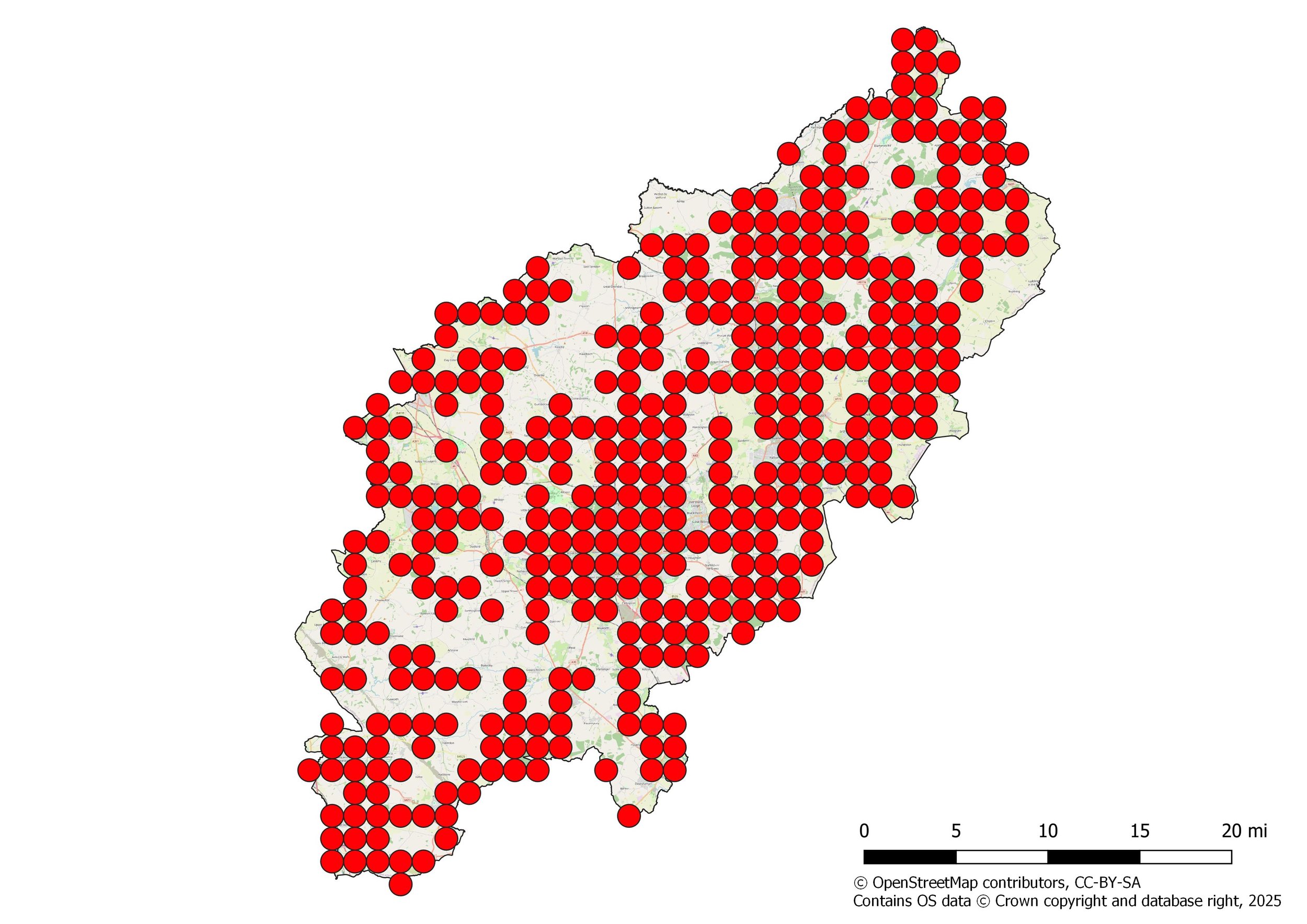
2025 Tetrad Coverage
Chequered Skipper
The Chequered Skipper was recorded in Northamptonshire during 2025, although in quite low numbers, but the spread of records is reassuring. There has been a lot of science going on behind the scenes, and some of the recent findings have been fascinating, some of which can be read here. If you would like to read more about the project, you can do so here and here.
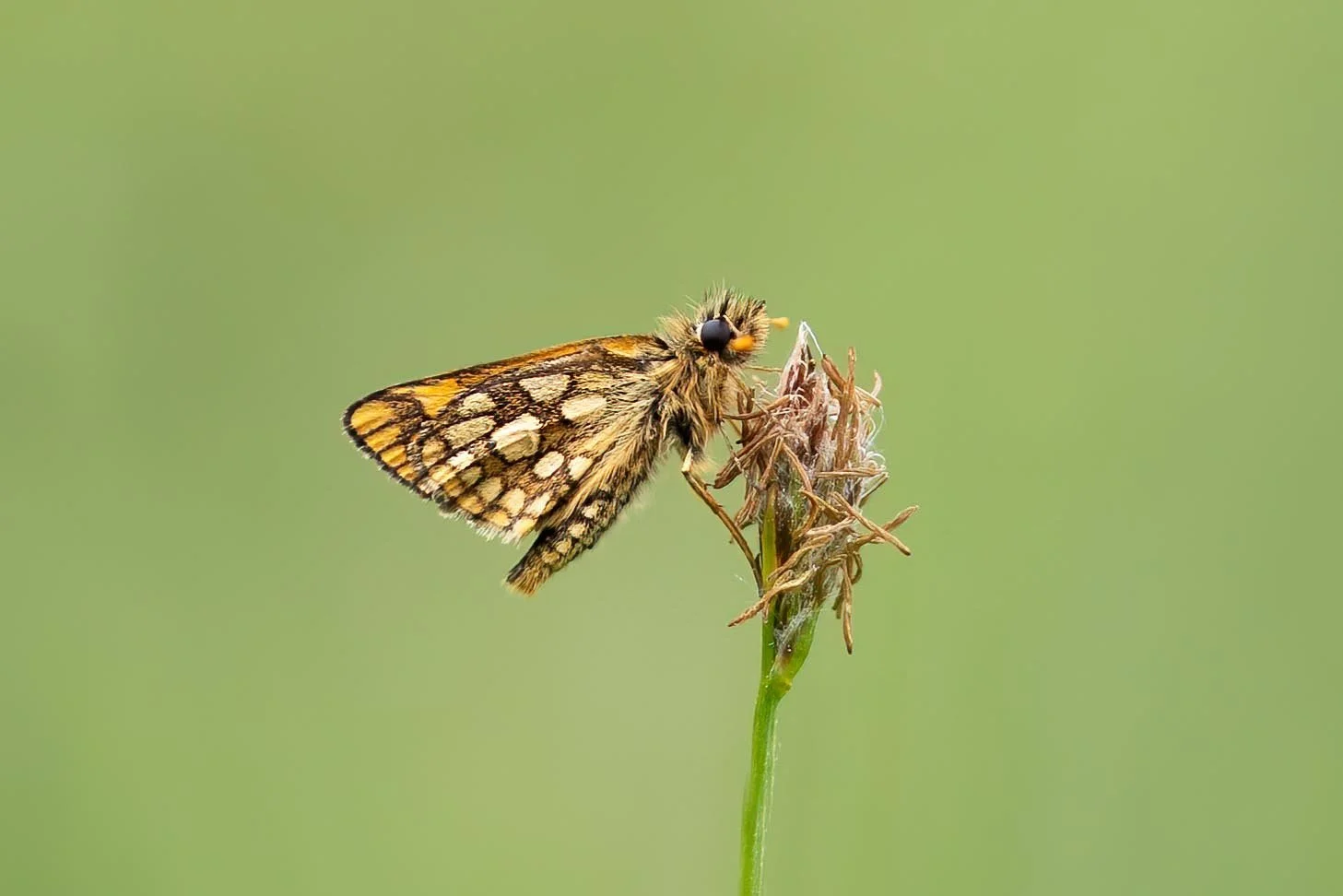
Chequered Skipper, Rockingham Forest, 2025
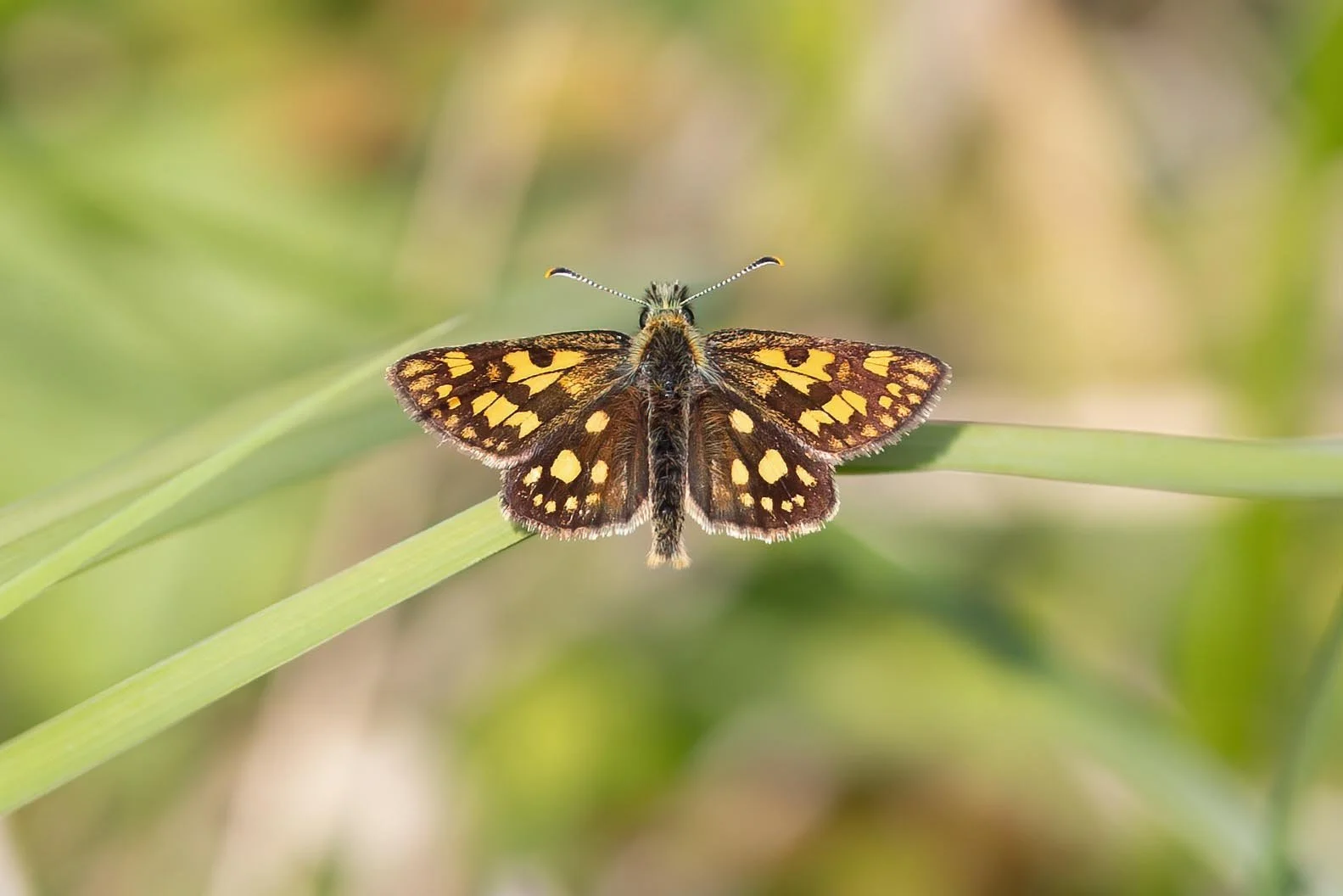
Chequered Skipper, Rockingham Forest, 2025
Small, Essex and Large Skipper
The Large Skipper did the best out of the commoner Skippers, it shows a 15% increase above the year before and a 44% increase above the 10 year average. The Small Skipper showed a 48% increase in records above the year before, which is 3% below the 10 year average. The Essex Skipper didn’t do at all well during 2025 with a 35% drop in records from the previous year which is 67% below the 10 year average. The Large Skipper had its earliest ever emergence when two were recorded on the 4th of May in the private Sywell Wood, the last of the year was seen on the 13th of August in Fermyn Wood. The first Small Skipper of the year was seen on the 2nd of June in Fineshade Wood, and the last of the year was recorded on the 30th of July at Swan Valley in Northampton. The first Essex Skipper of the year was seen on the 13th of June in Fineshade Wood, and the last of the year was recorded on the 21st of July in Brackley.
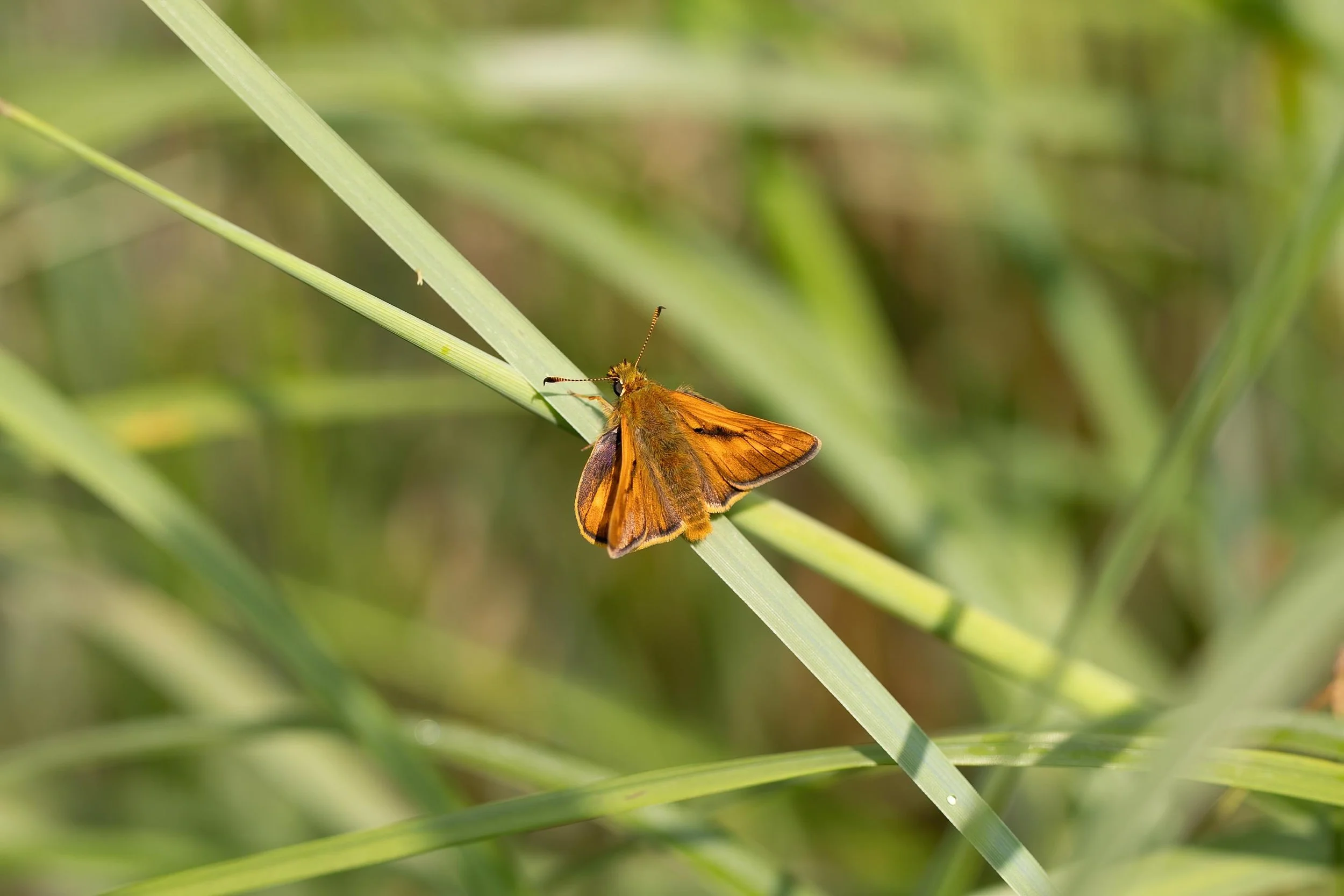
Large Skipper
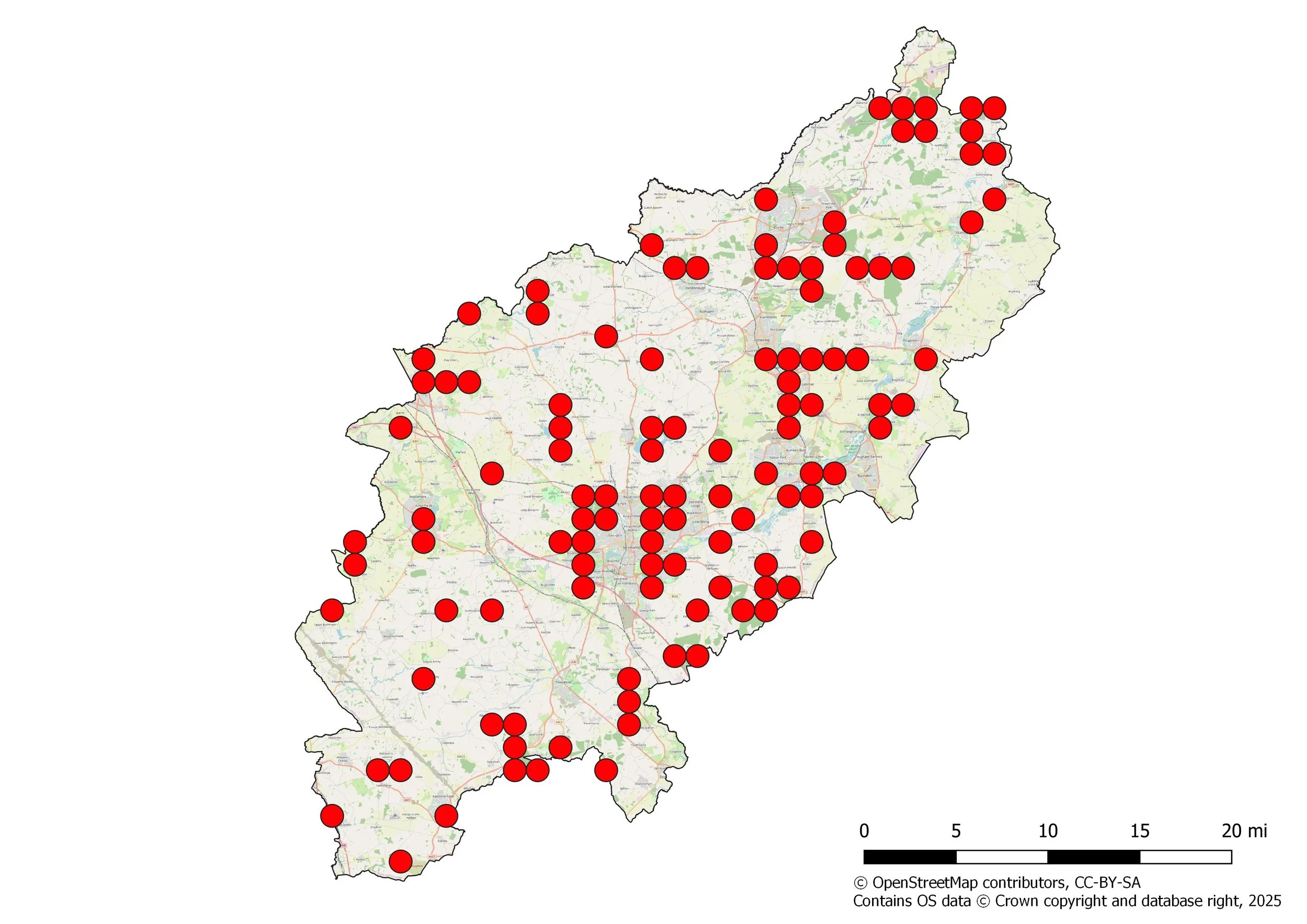
Small Skipper Distribution
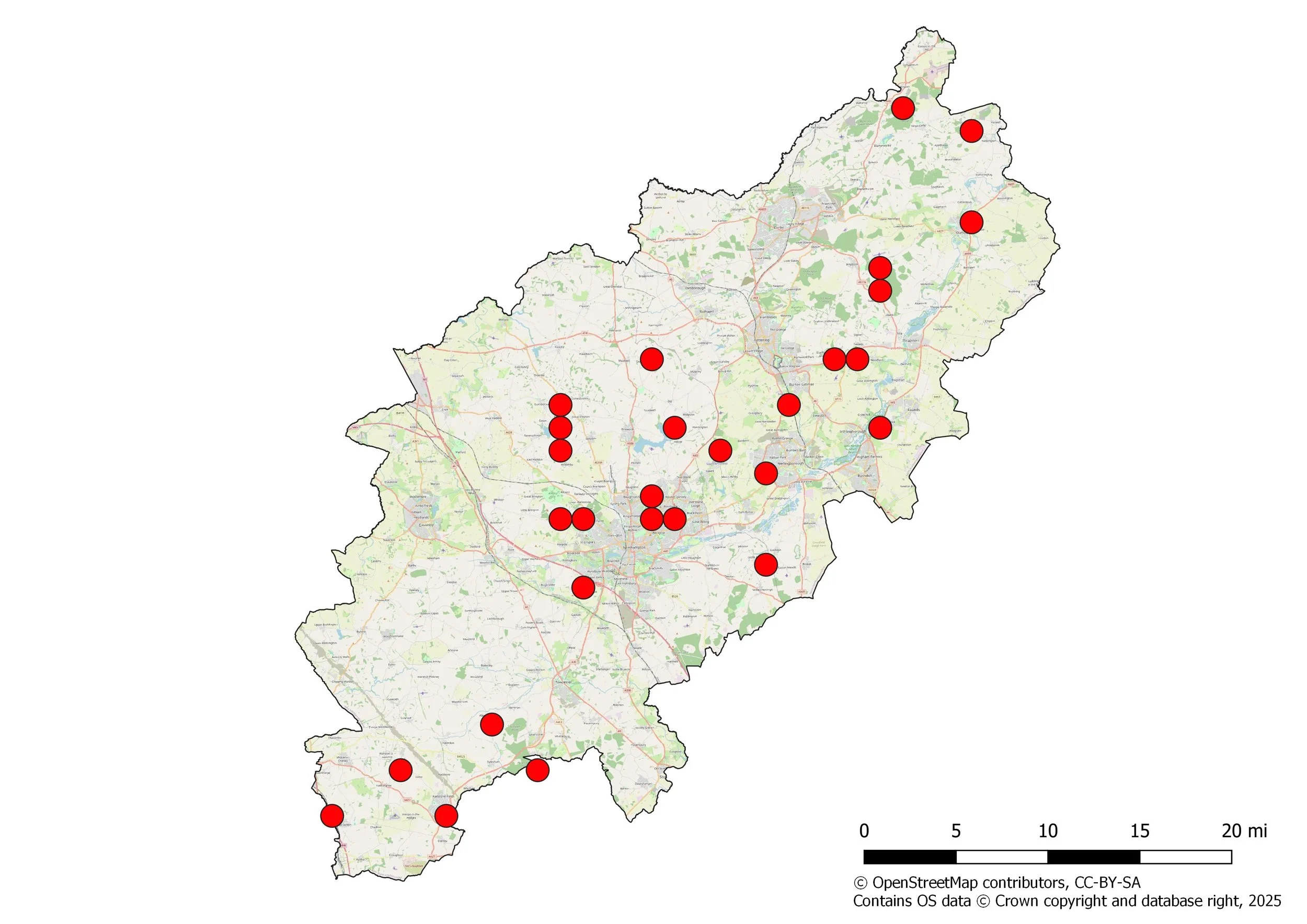
Essex Skipper Distribution
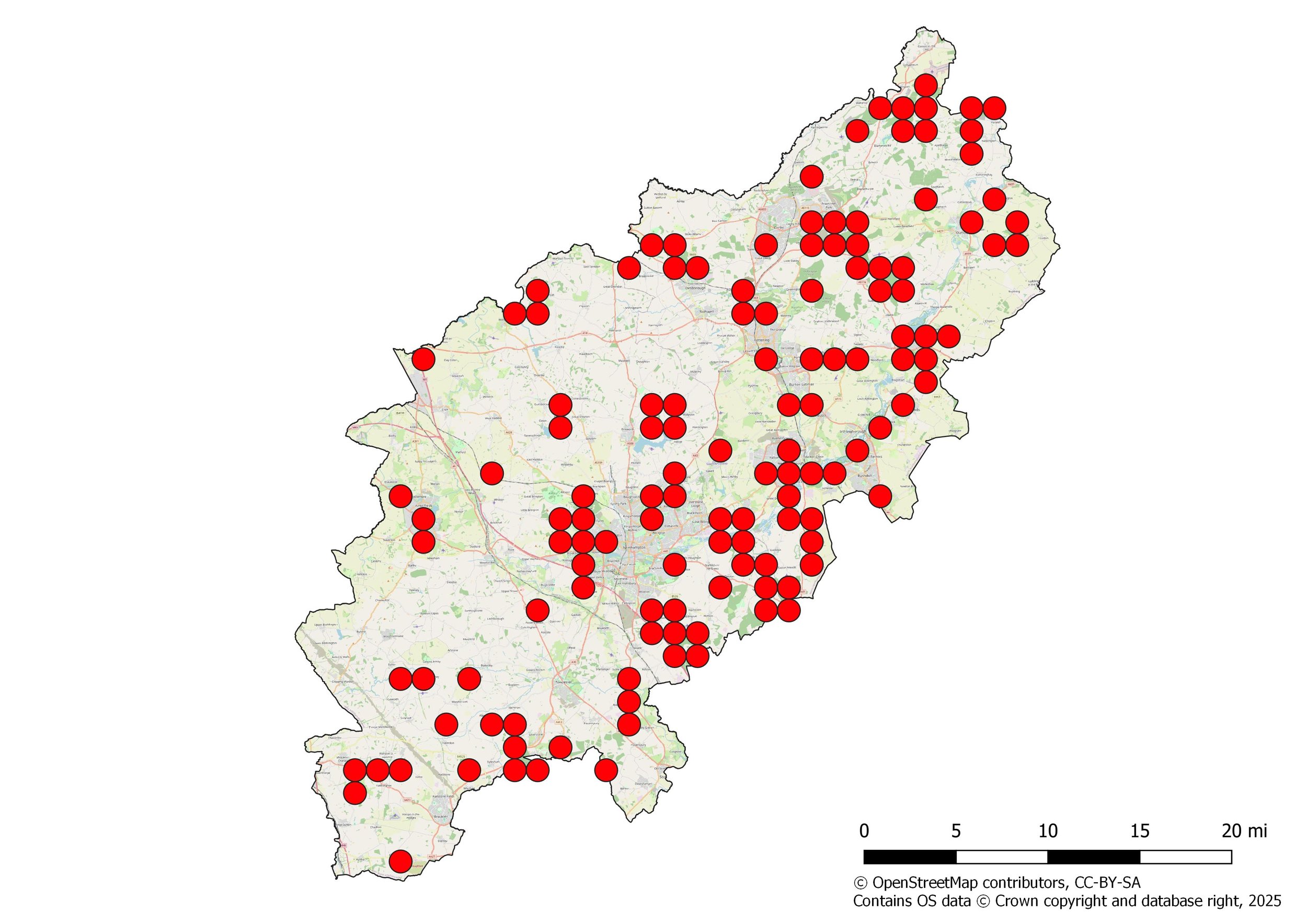
Large Skipper Distribution
Dingy Skipper
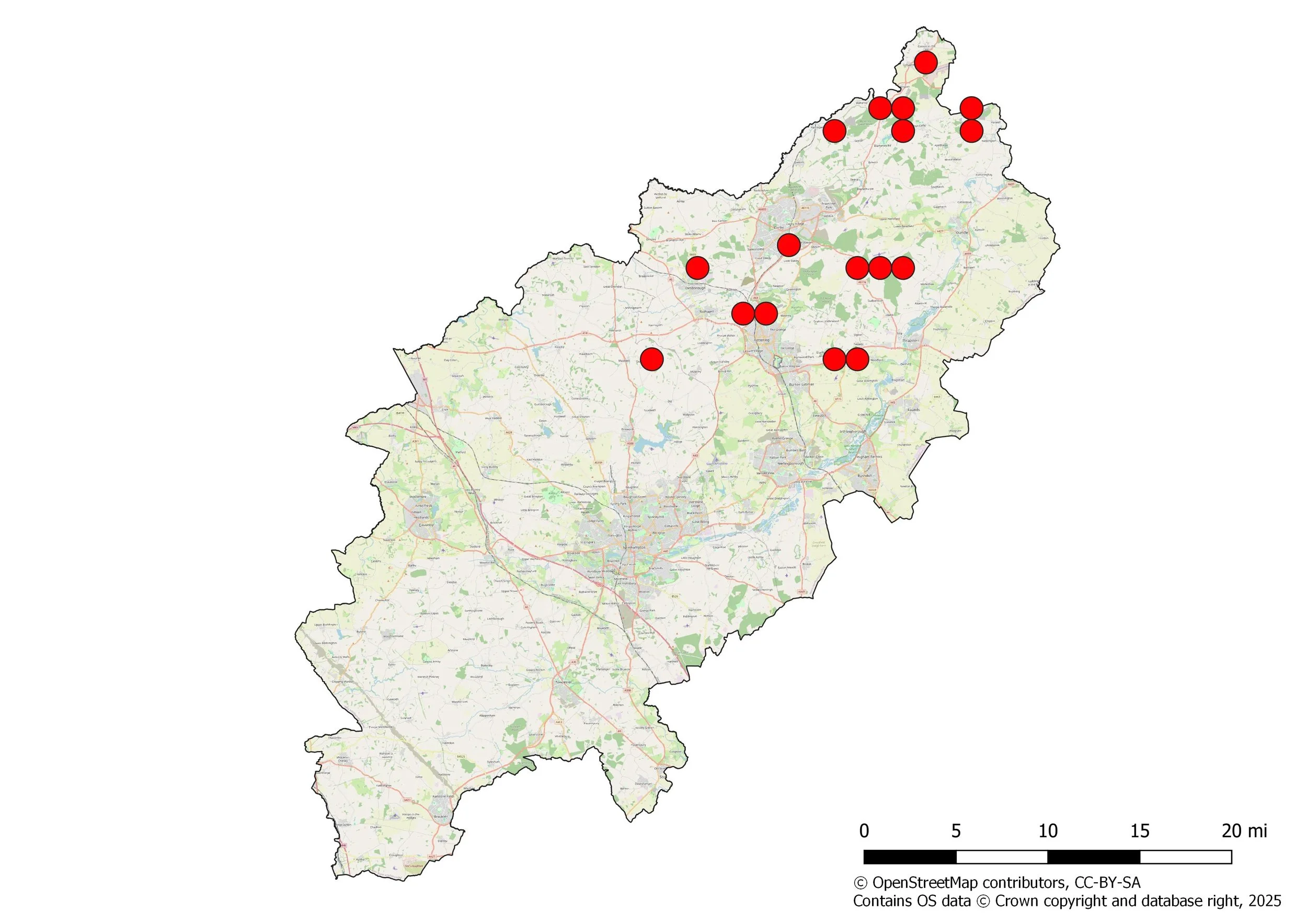
The Dingy Skipper had a considerably better year than the previous year. It shows a 39% increase in records from 2024 which is just 1% below the 10 year average for the species. The best places to see them where Fermyn Country Park, Harrington Airfield, Old Sulehay and Ring Haw, and Twywell Hills and Dales. 2025 was also a notable year for the number of 2nd brood Dingy Skippers that were recorded, with records coming from Collyweston Quarry, Fermyn Country Park, Harrington Airfield, and Old Sulehay. The first one of the year was recorded on the 11th of April at Old Sulehay, and the last one of the year was seen on the 23rd August (2nd brood) also at Old Sulehay.
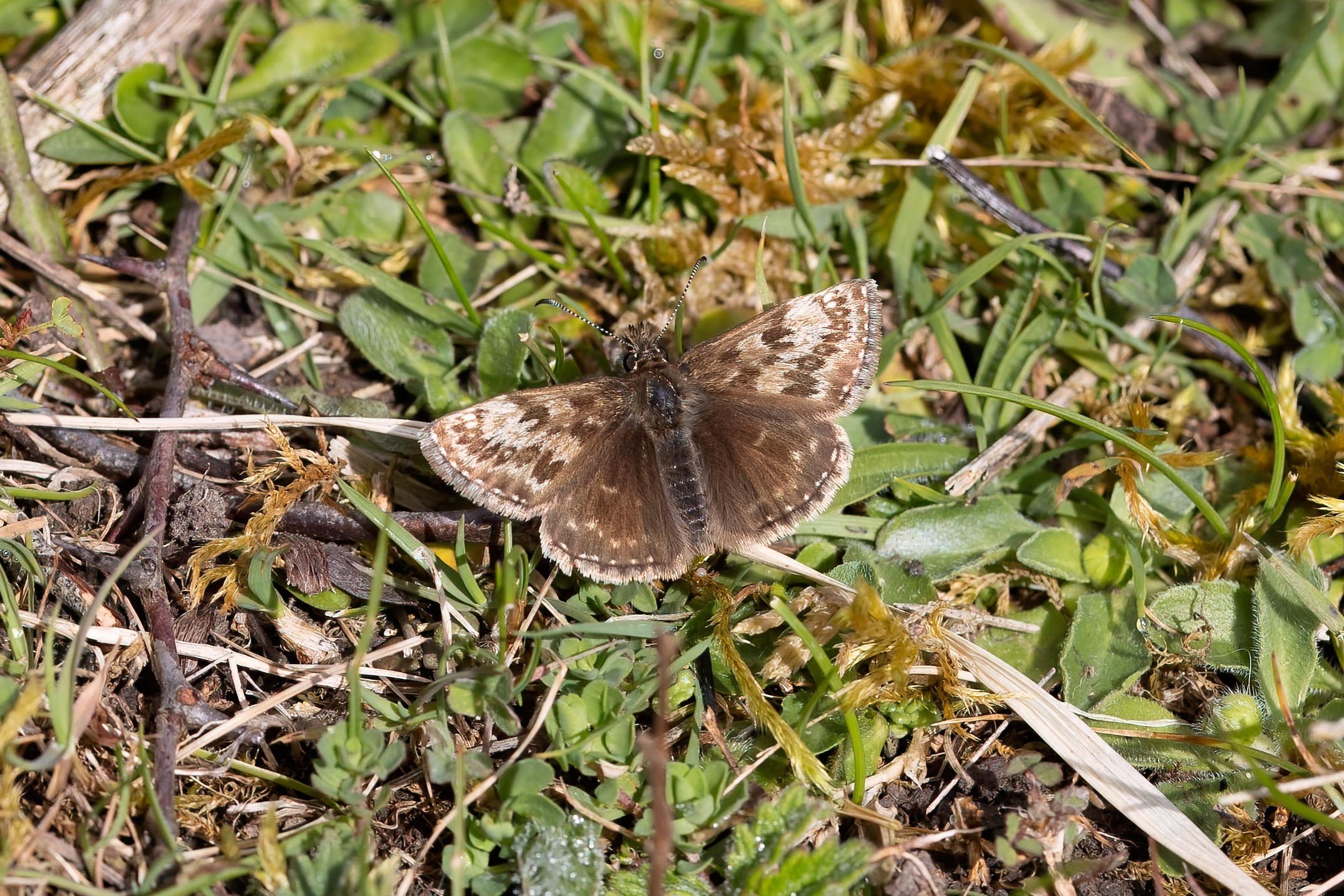
Dingy Skipper
Dingy Skipper Distribution
Grizzled Skipper
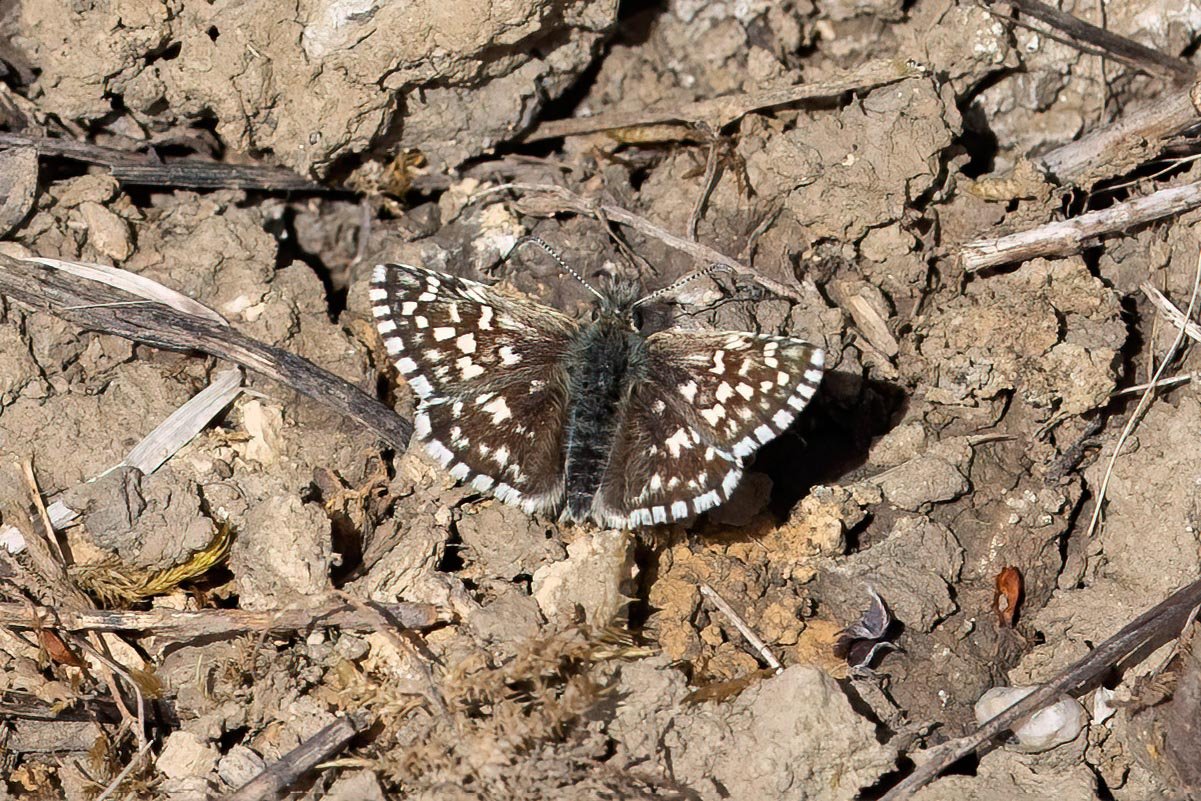
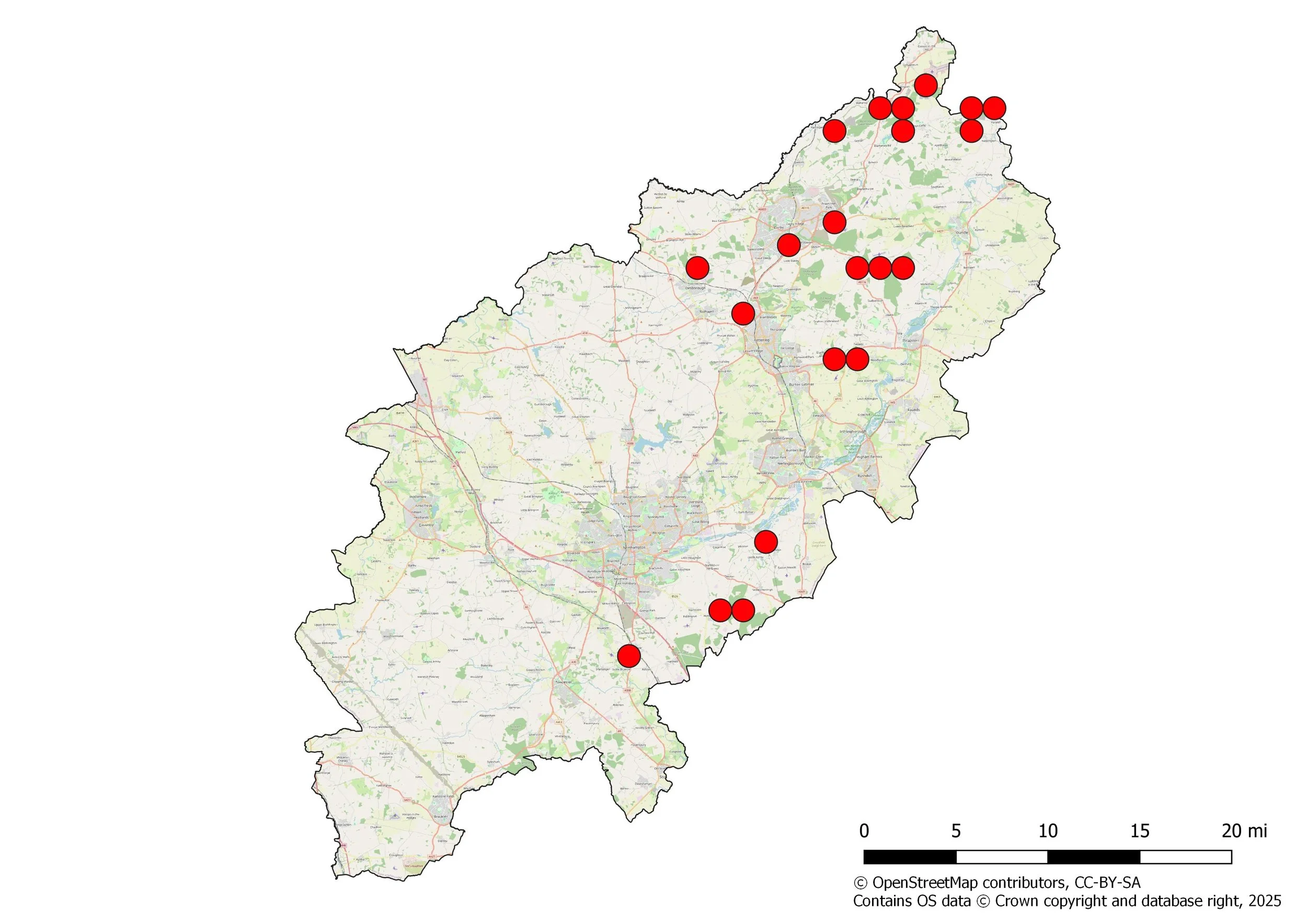
The Grizzled Skipper had a better year, showing a 24% increase in records over the previous year, which is just 8% below the 10 year average. The best places to see them were Fermyn Country Park, Fineshade Wood, Old Sulehay and Ring Haw, Twywell Hills and Dales, and Quarry Walk near Earls Barton. The first of the year was seen on the 5th of April in Fineshade Woods, and the last of the year was recorded on the 14th of June at West Lodge near Desborough.
Grizzled Skipper
Grizzled Skipper Distribution
Wood White
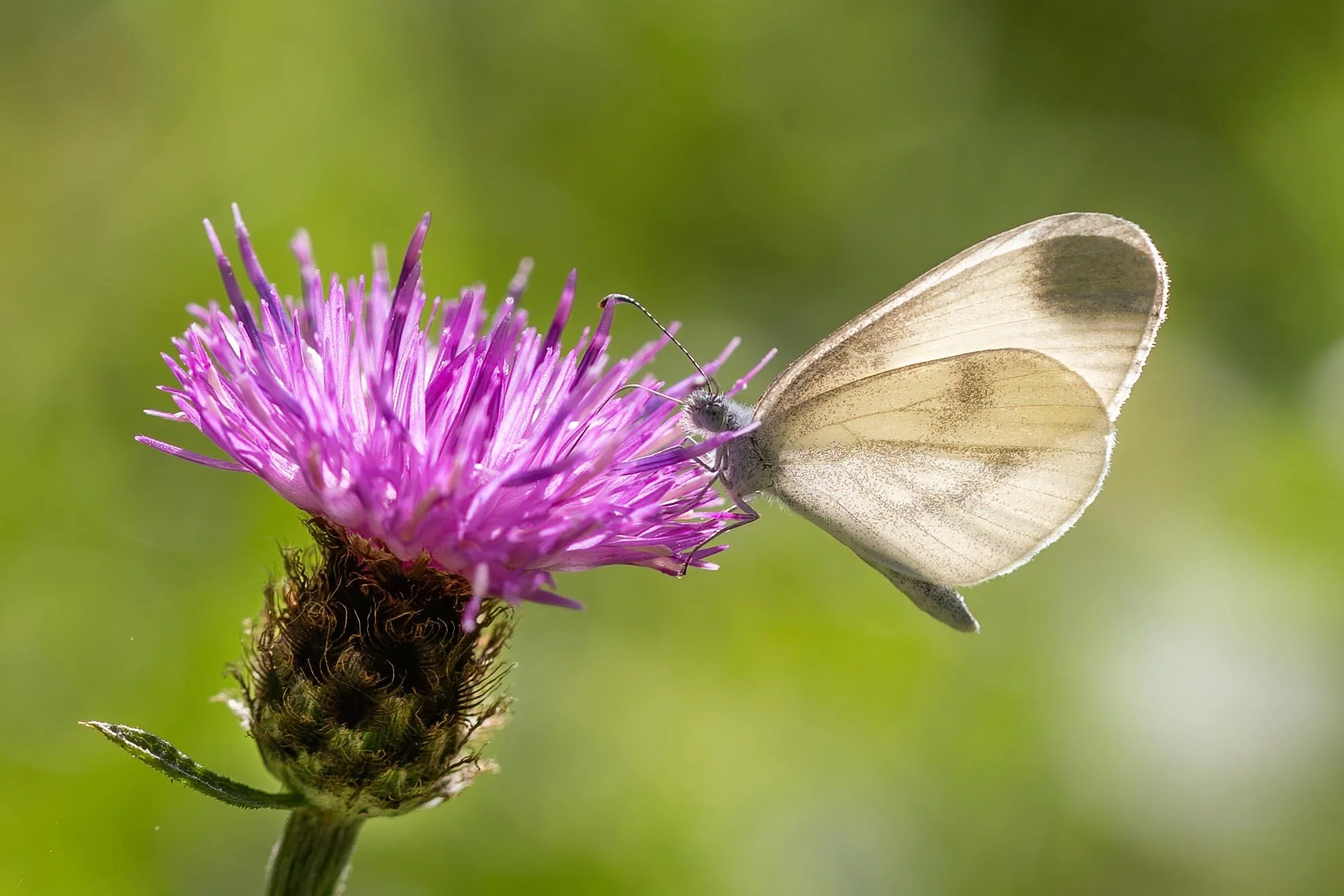
The Wood White had a good year in 2025, showing a 51% increase in records above the previous year and a 13% increase above the 10 year average. Butterfly Conservation has done a considerable amount of conservation work for this species, and that certainly seems to be paying off as they are spreading to new areas such as Harry’s Park and Fermyn Woods, and are also being regularly recorded in their new home at Fineshade Wood following a recent translocation project. The best sites to see them were Bucknell Wood, Hazelborough Forest and Wood, Fineshade Wood, and Salcey Forest. The first of the year was seen on the 20th of April in Hazelborough Woods, and (following a good second brood in the county) the last of the year was seen on the 13th of August in Hazelborough Forest.
Wood White
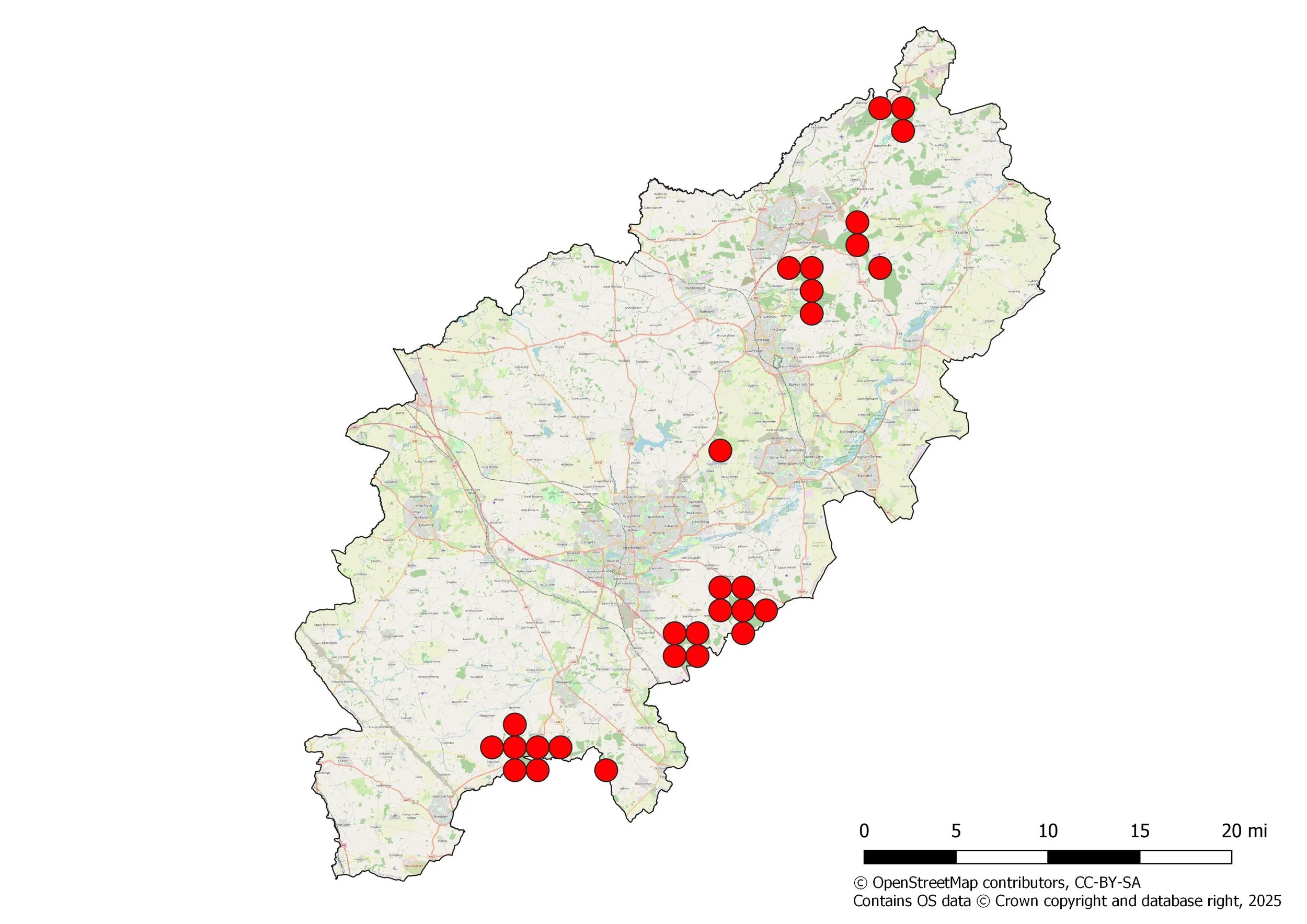
Wood White Distribution
Clouded Yellow
The Clouded Yellow had a very good year in 2025 with records received from around the country, particularly from areas where clovers and lucerne were being grown. As this is a migratory butterfly, abundance totals fluctuate year on year, but 2025 will go down at one of the best in recent times, showing records 179% above the 10 year average for the species. In one field near the village of Old, egg laying was observed, and the local farmer very graciously agreed to save the area from cutting for long enough for any to emerge, so we owe a big thank you to him! The best places to see them were the fields south east of Old village, and the fields north of Collyweston. However, this strong flying butterfly could be seen anywhere in the county, with good numbers also coming from farmland near Braunston, Harrington Airfield, the valley west of Hanging Houghton, and Hanwood Park in Kettering. The first ones of the year were seen on the 3rd of July along a footpath near Walgrave and also at Blueberry Farm near Maidwell, and the last one of the year was recorded on the 1st of November in Grafton Underwood, which is only the third time they have been recorded in the county in November.
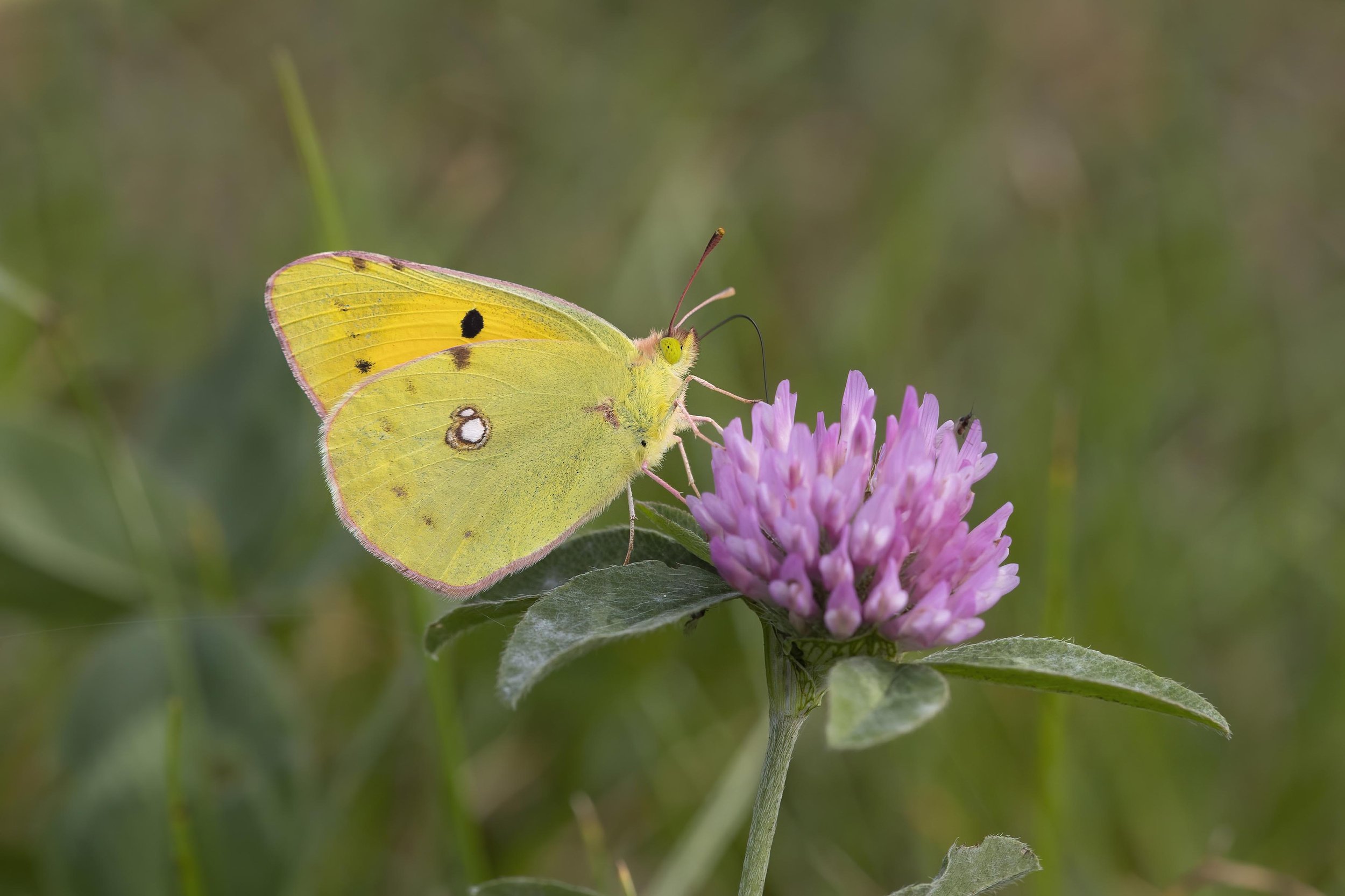
Clouded Yellow
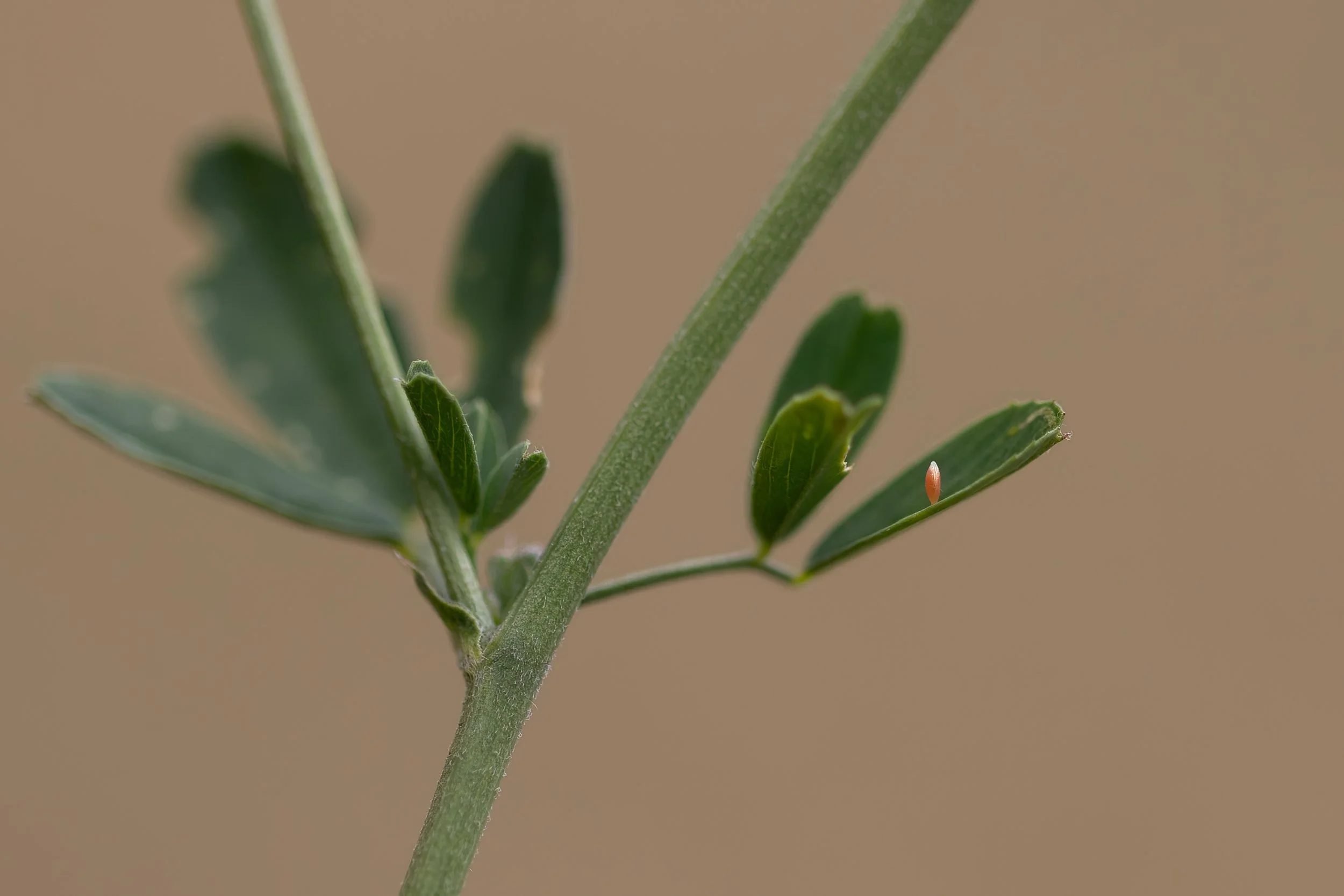
Clouded Yellow Egg
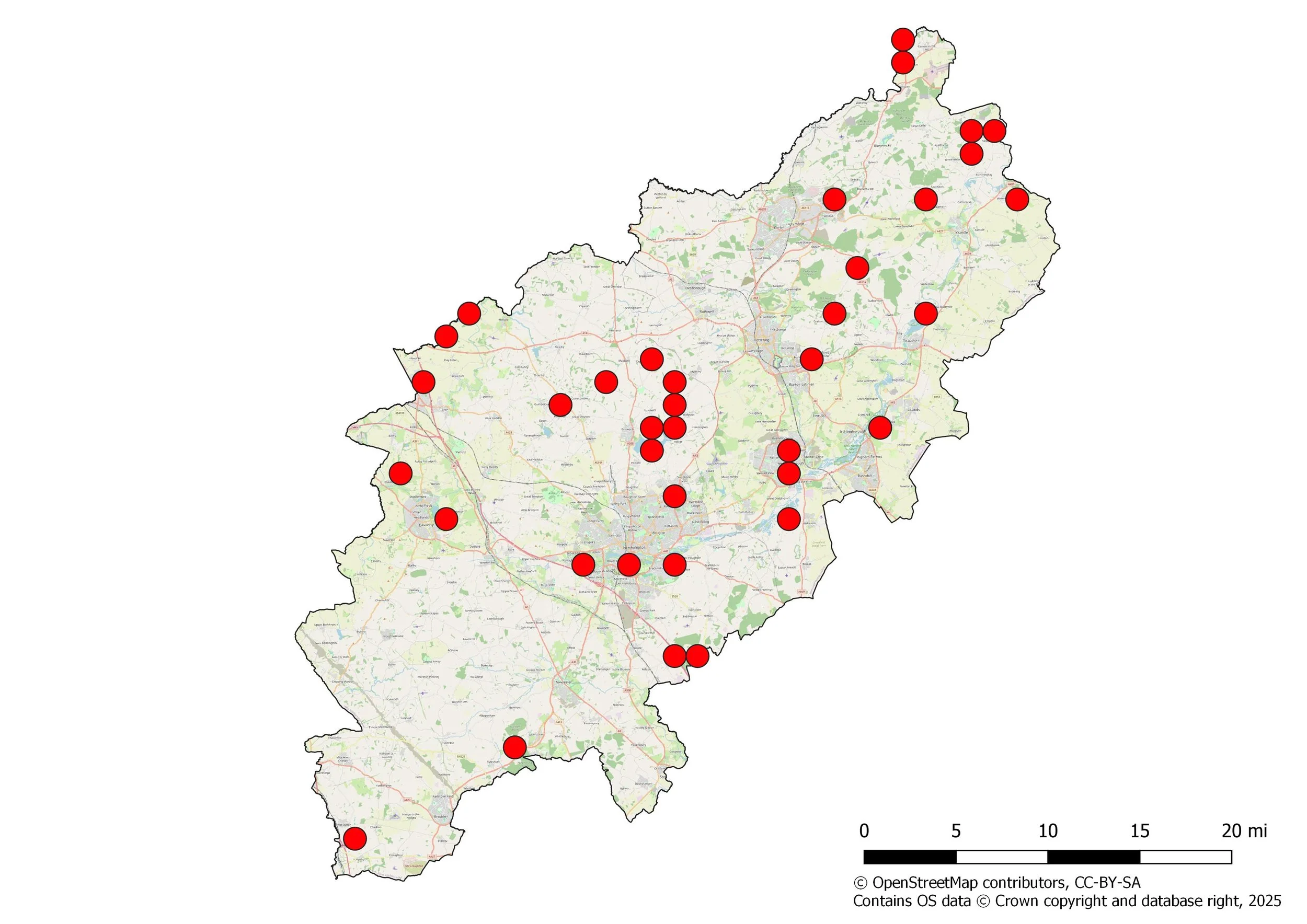
Clouded Yellow Distribution
Brimstone
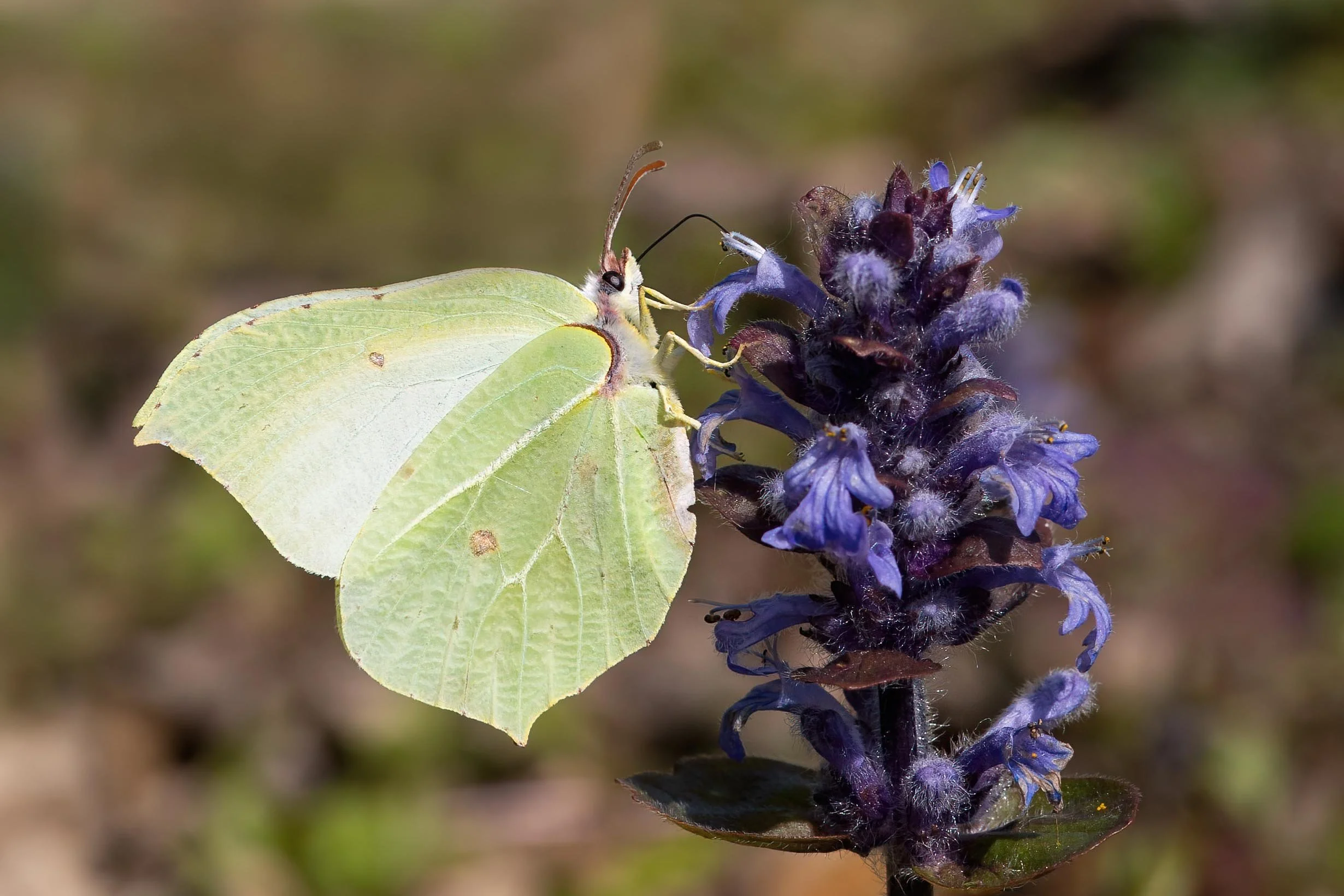
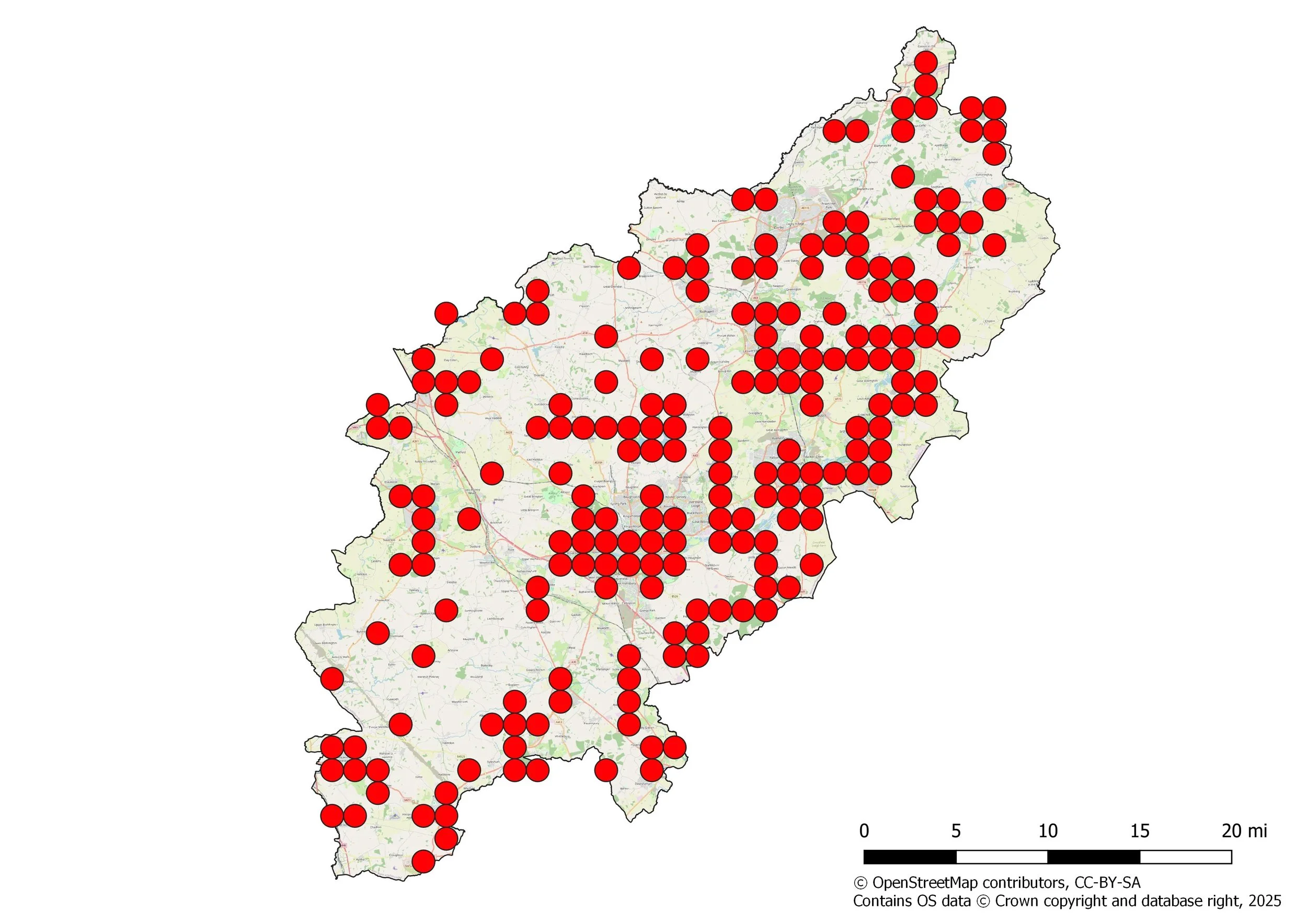
Although the Brimstone showed a slight 5% decrease in records below the previous year, it is still 32% above the 10 year average for the species. This is a common butterfly, and can be seen anywhere in the county with suitable habitat. The first of the year was recorded on the 21st of February in Brixworth, and the last one of the year was recorded on the 2nd of December in Far Cotton in Northampton.
Brimstone
Brimstone Distribution
Large, Small and Green-veined White
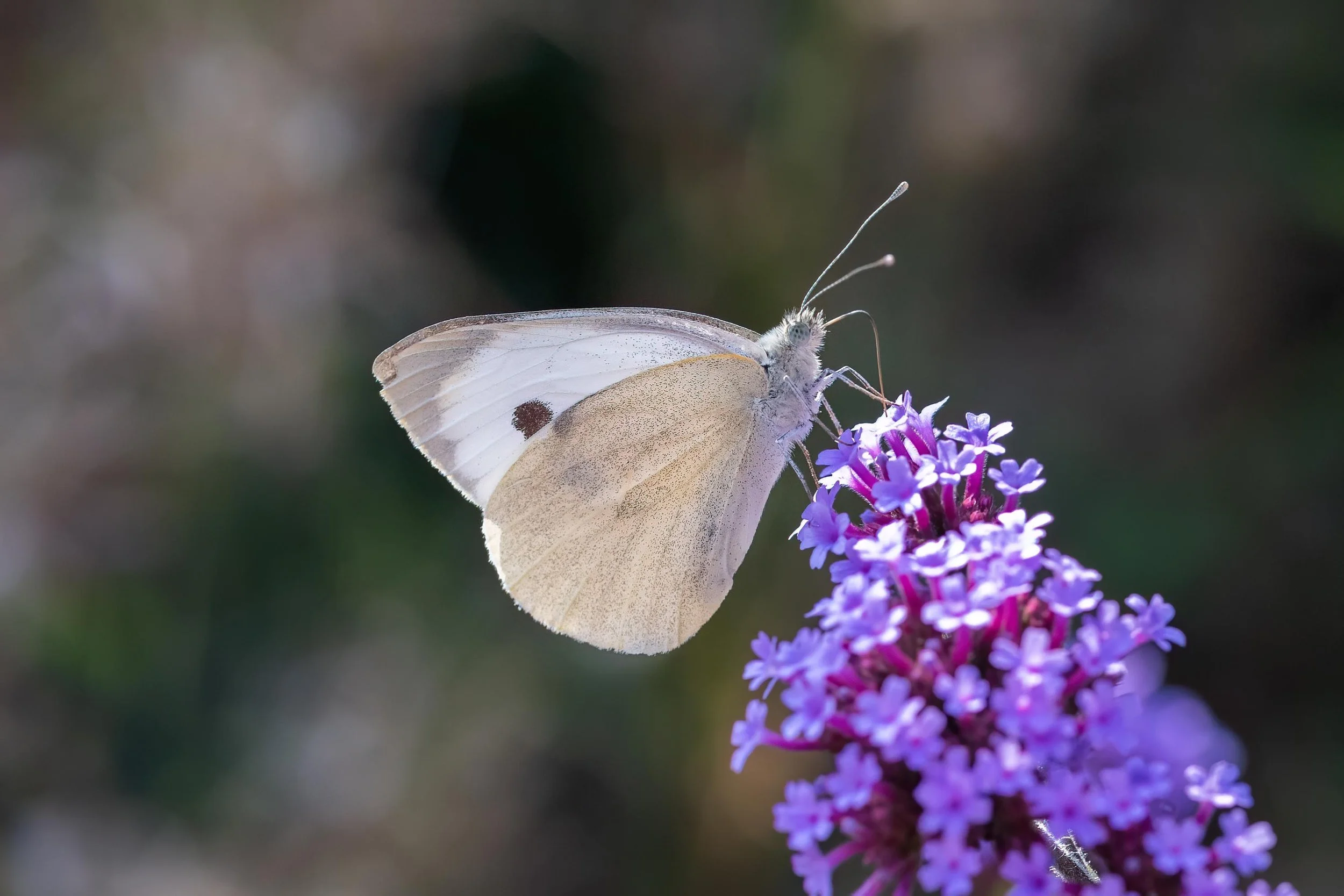
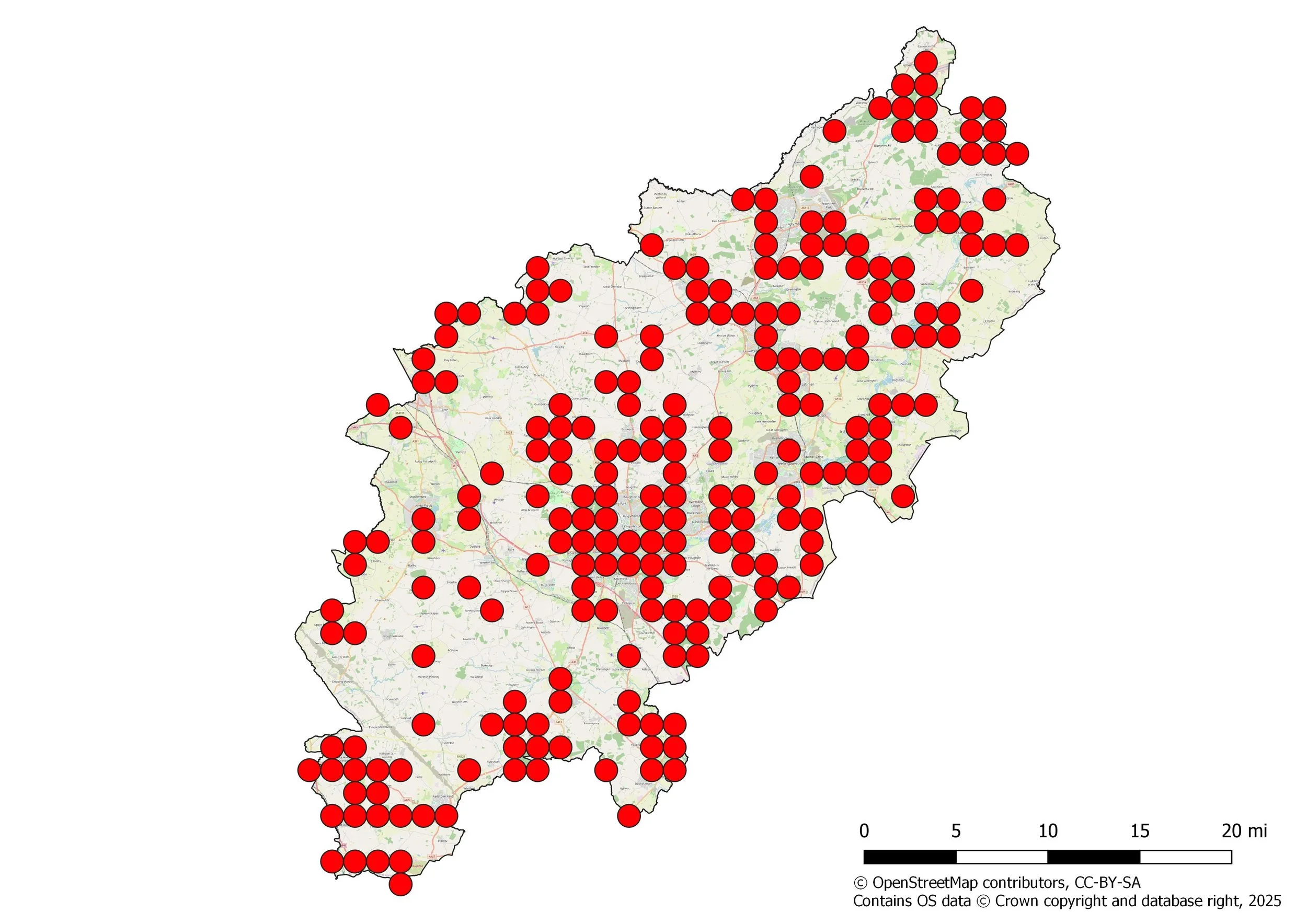
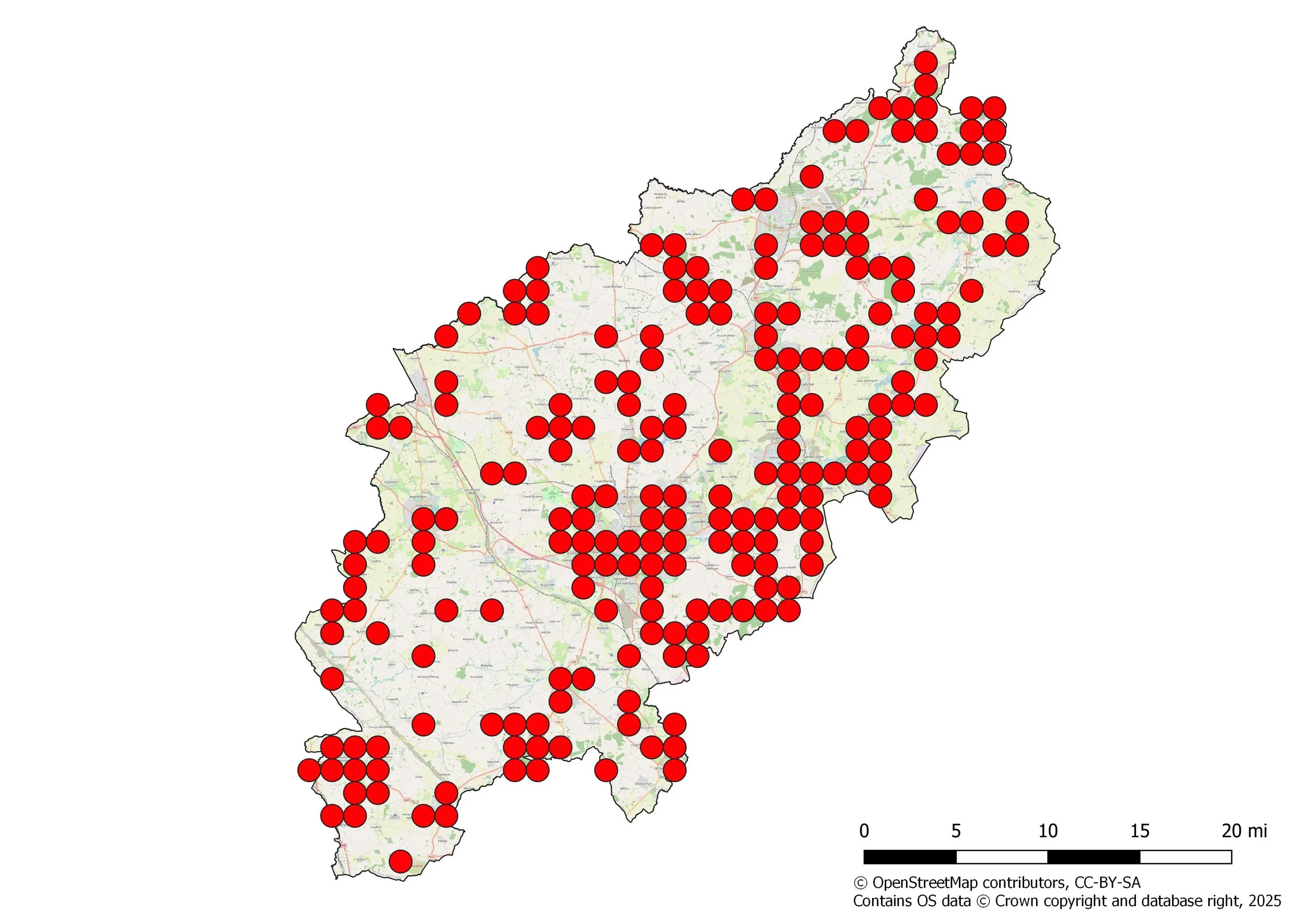
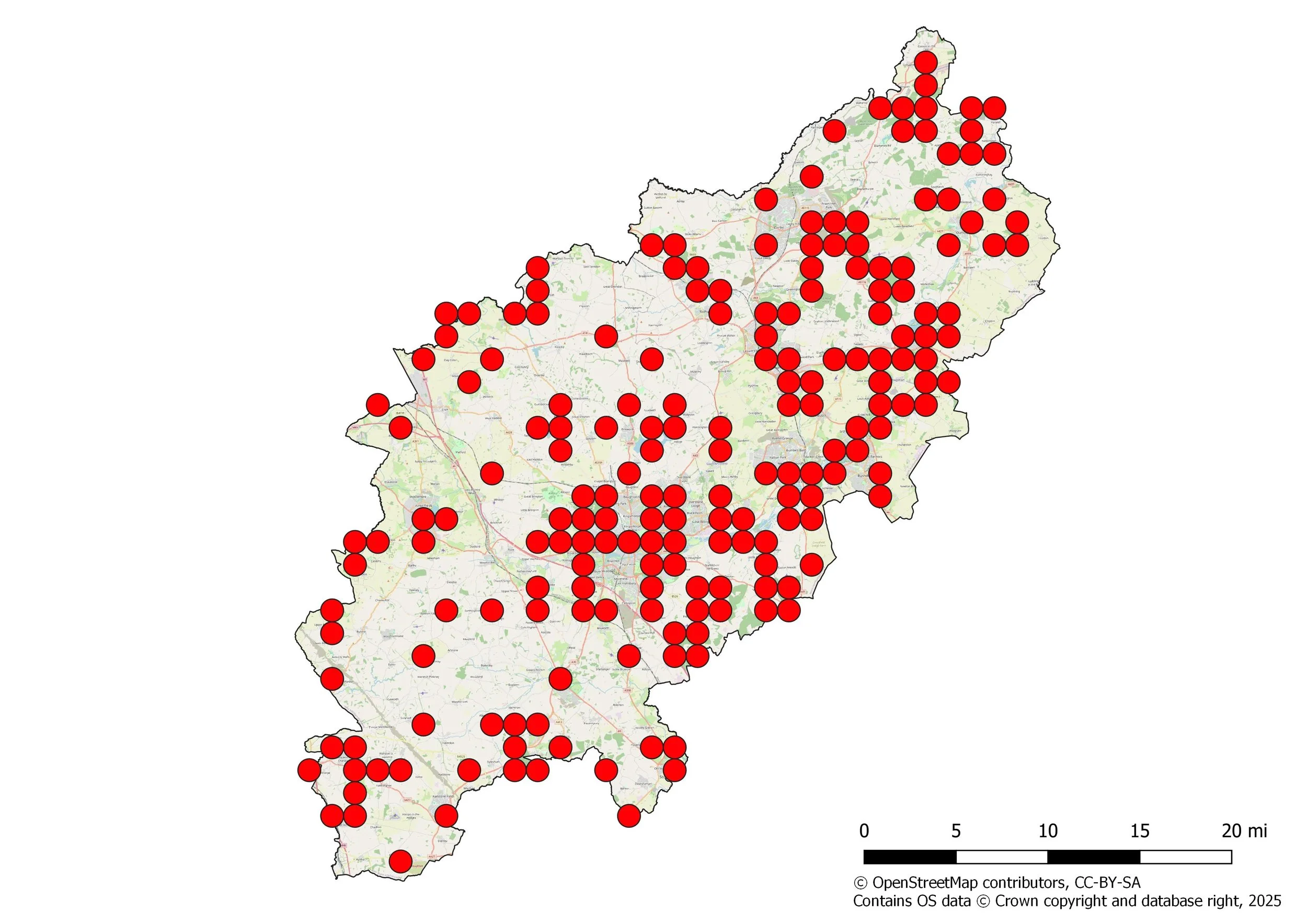
The Large White had a very good year in the county during 2025, with a 49% increase in records above the previous year, and a 42% increase above the 10 year average. The Small White shows a 30% increase in records above the previous year, but this is slightly below average for this species, showing a 15% drop below the 10 year average. The Green-veined White had an excellent year, with a 100% increase in records above the previous year, and a 99% increase above the 10 year average. The first Large White was seen on the 26th of March in Piddginton, and the last of the year was recorded on the 21st of October in Wollaston. The first Small White of the year was recorded on the 2nd of March in Bozeat, and the last of the year was seen on the 2nd of November in London Road Cemetery in Kettering. The first Green-veined White of the year was recorded on the 20th of March in Northampton, and the last of the year was seen on the 10th of October in Farthinghoe Nature Reserve.
Large White
Large White Distribution
Small White Distribution
Green-veined White Distribution
Orange-tip
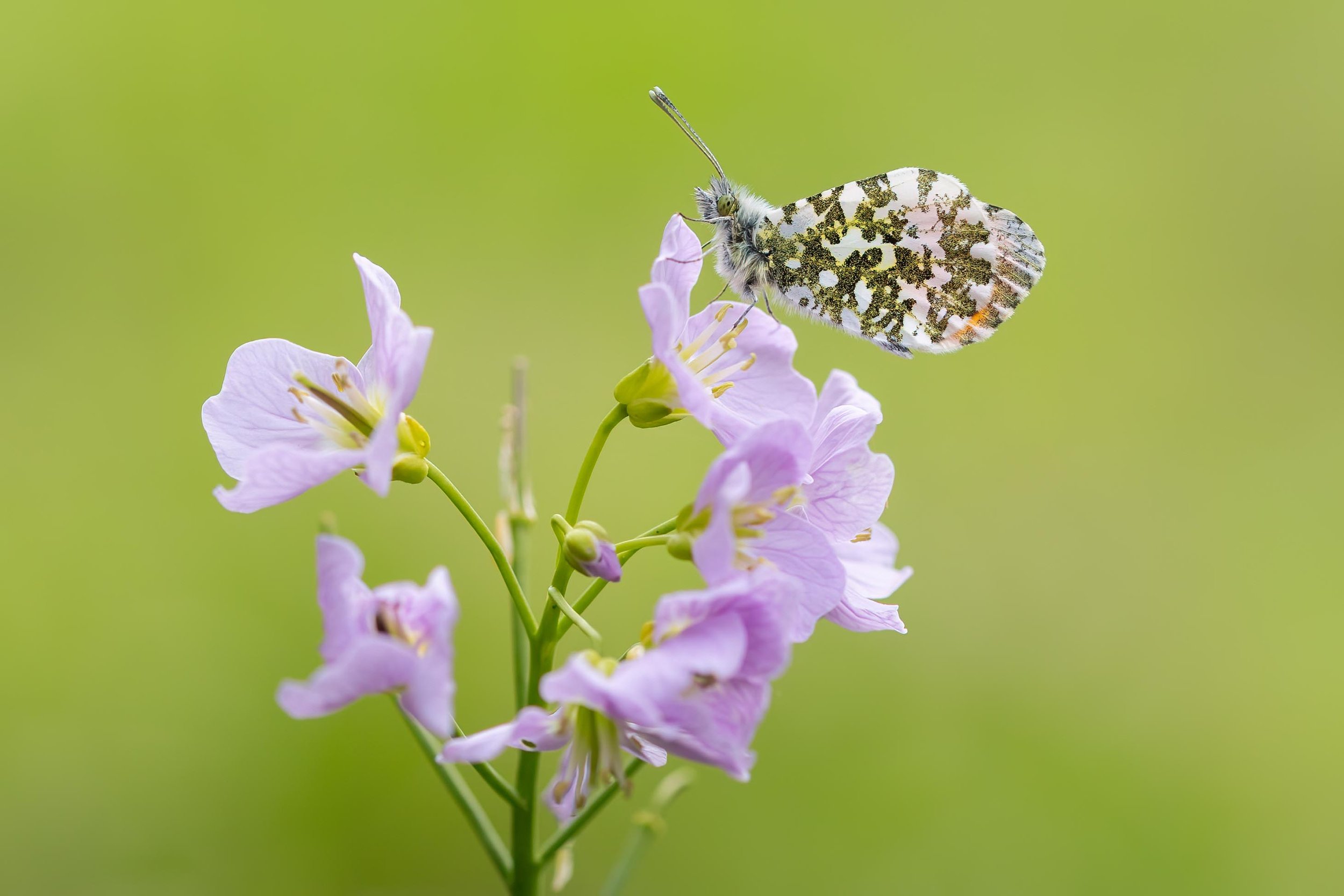
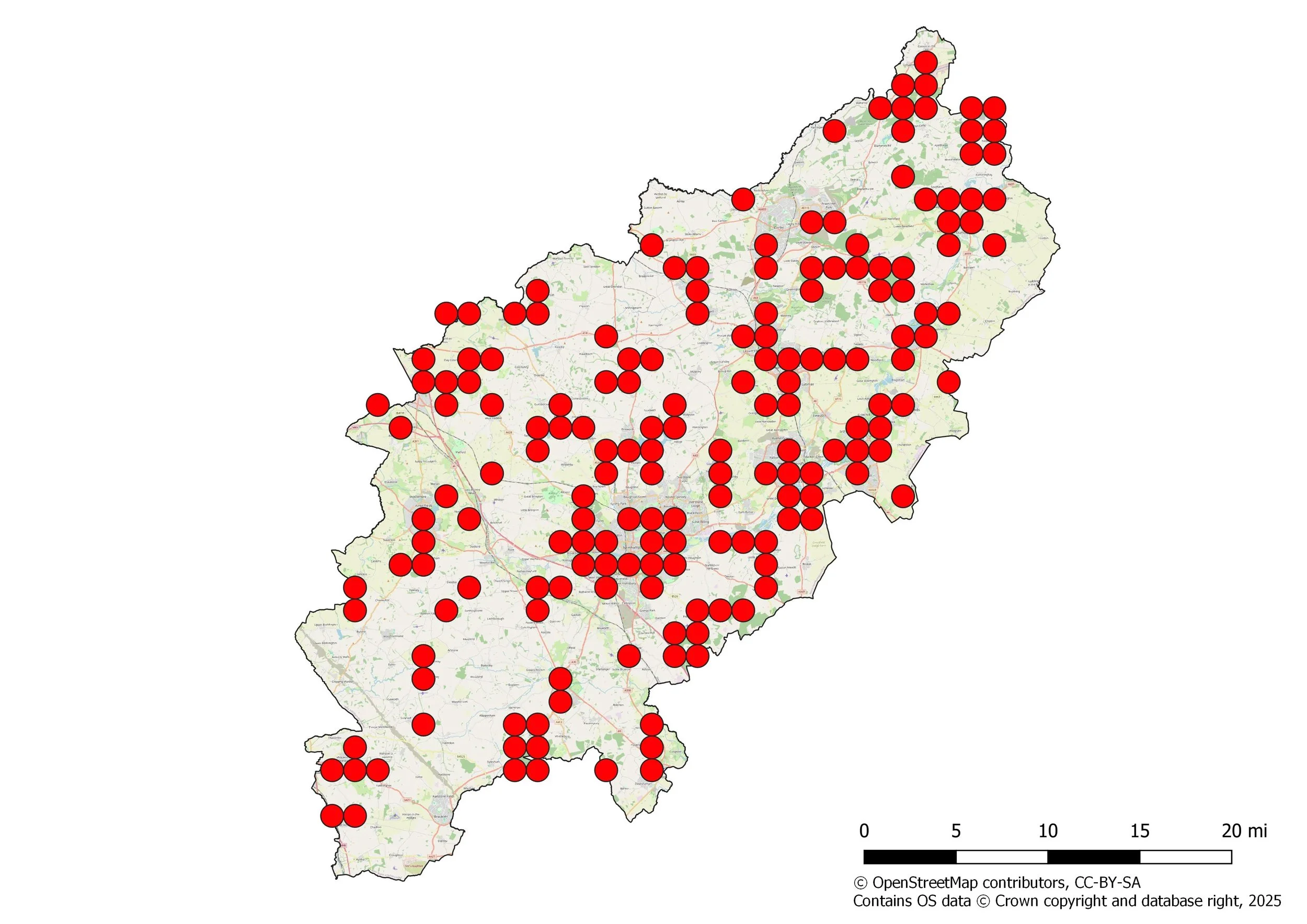
Although the Orange-tip shows a slight dip of 6% below the records for the previous year, they still had a good flight period in 2025 with a 16% increase above the 10 year average for the species. This is a common species that can be encountered anywhere with suitable habitat, however, the public areas with the greatest numbers were Collyweston Quarry, Hazelborough Forest and Wood, the Nene Wetlands, Salcey Forest, and Summer Leys Nature Reserve. The first ones of the year were recorded on the 24th of March at Ditchford and Farthinghoe Nature Reserve, and the last one of the year was seen on the 28th of July near Titchmarsh.
Orange-tip
Orange-tip Distribution
Brown Hairstreak
Sadly, once again no adults were found around RAF Croughton during the flight period, and to date no eggs have been found during egg searches although there will be more searches in the new year.
Green Hairstreak
The Green Hairstreak had a fairly good year in the county and shows a 16% increase in records over the previous year, and a 19% increase in records above the 10 year average. This is a very localised butterfly in Northamptonshire, and the best place to see them by far in 2025 was Collyweston Quarry, where a peak count of 31 on the 27th of April was a joint county abundance record for the species. Other sites where they were recorded include Harrington Airfield, Fineshade Wood, Fermyn Country Park, Old Sulehay and Ring Haw, West Lodge Rural Centre near Desborough, and Weldon Pocket Park. The first ones of the year were seen on the 11th of April at Collyweston Quarry and Old Sulehay, and the last of the year was recorded on the 8th of June in Fineshade Wood.
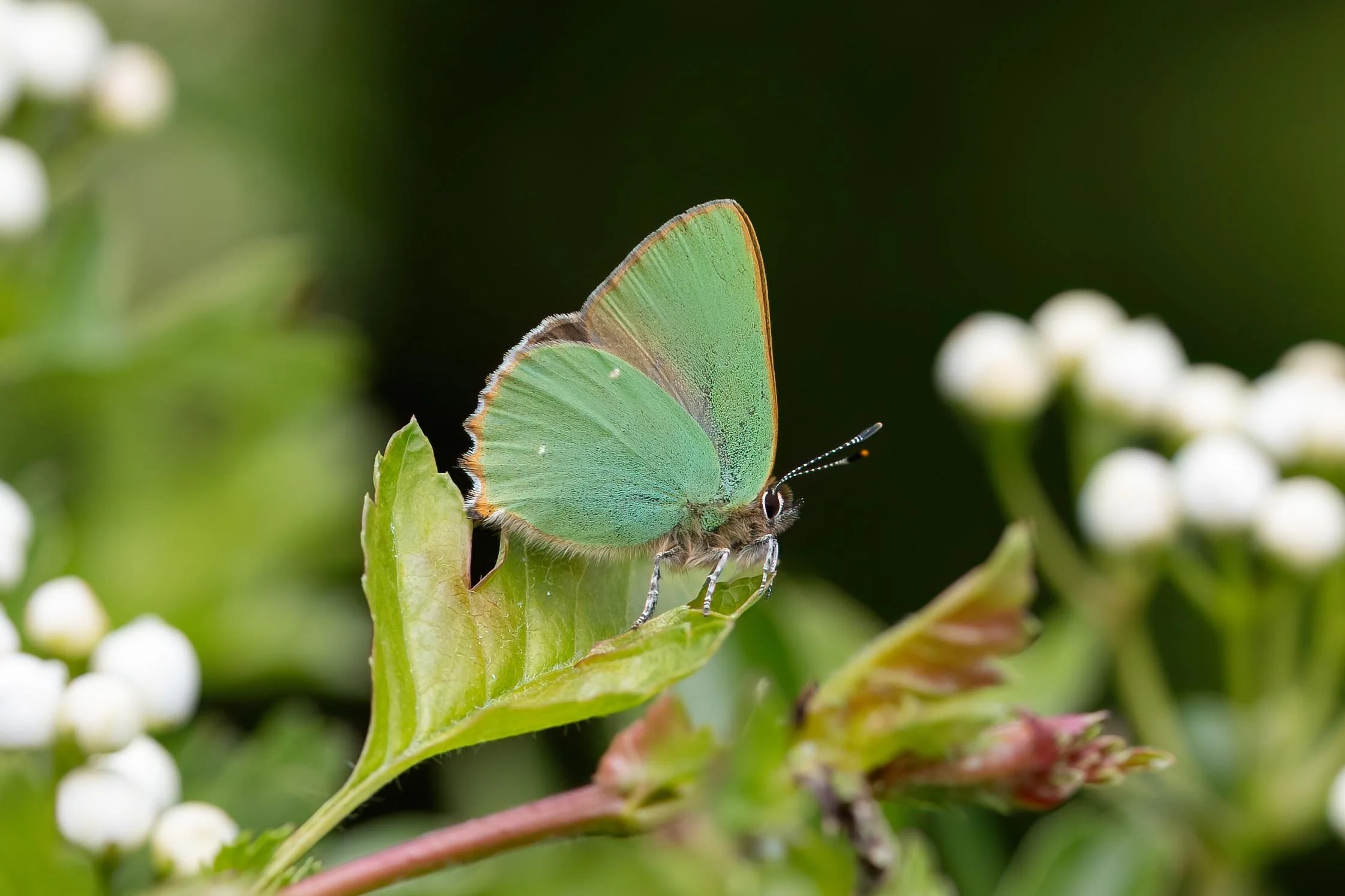
Green Hairstreak
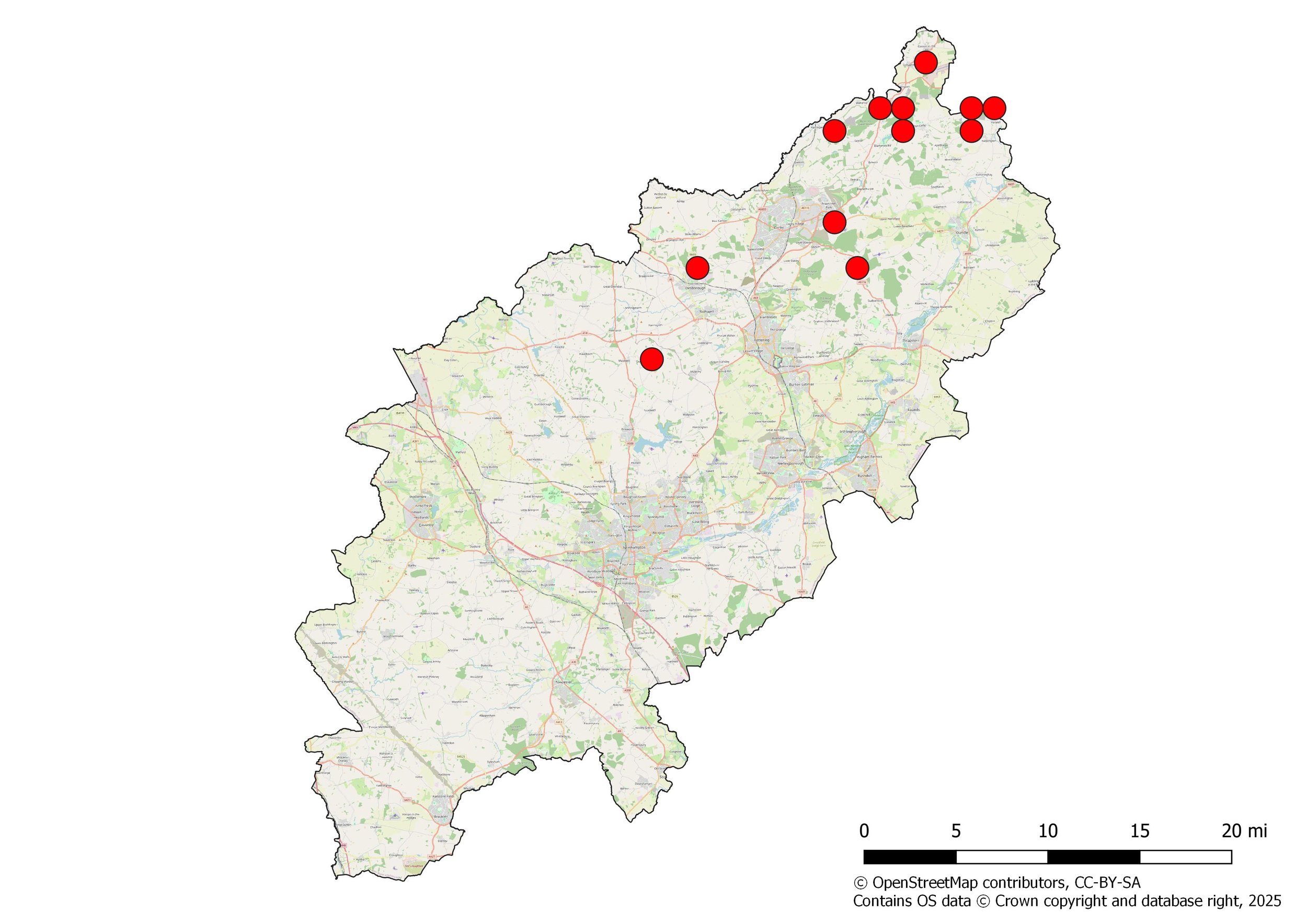
Green Hairstreak Distribution
Purple Hairstreak
The Purple Hairstreak didn’t have a good year at all during 2025 and shows a 32% drop in records from the previous year, and a 59% drop below the 10 year average. The best locations to see them were Brampton Wood, Bucknell Wood, the Fermyn Wood complex, Fineshade Wood, and Salcey Forest. The first of the year was seen on the 12th of June at Hanwood Park in Kettering, and the last of the year was recorded on the 13th of August in Fermyn Woods.
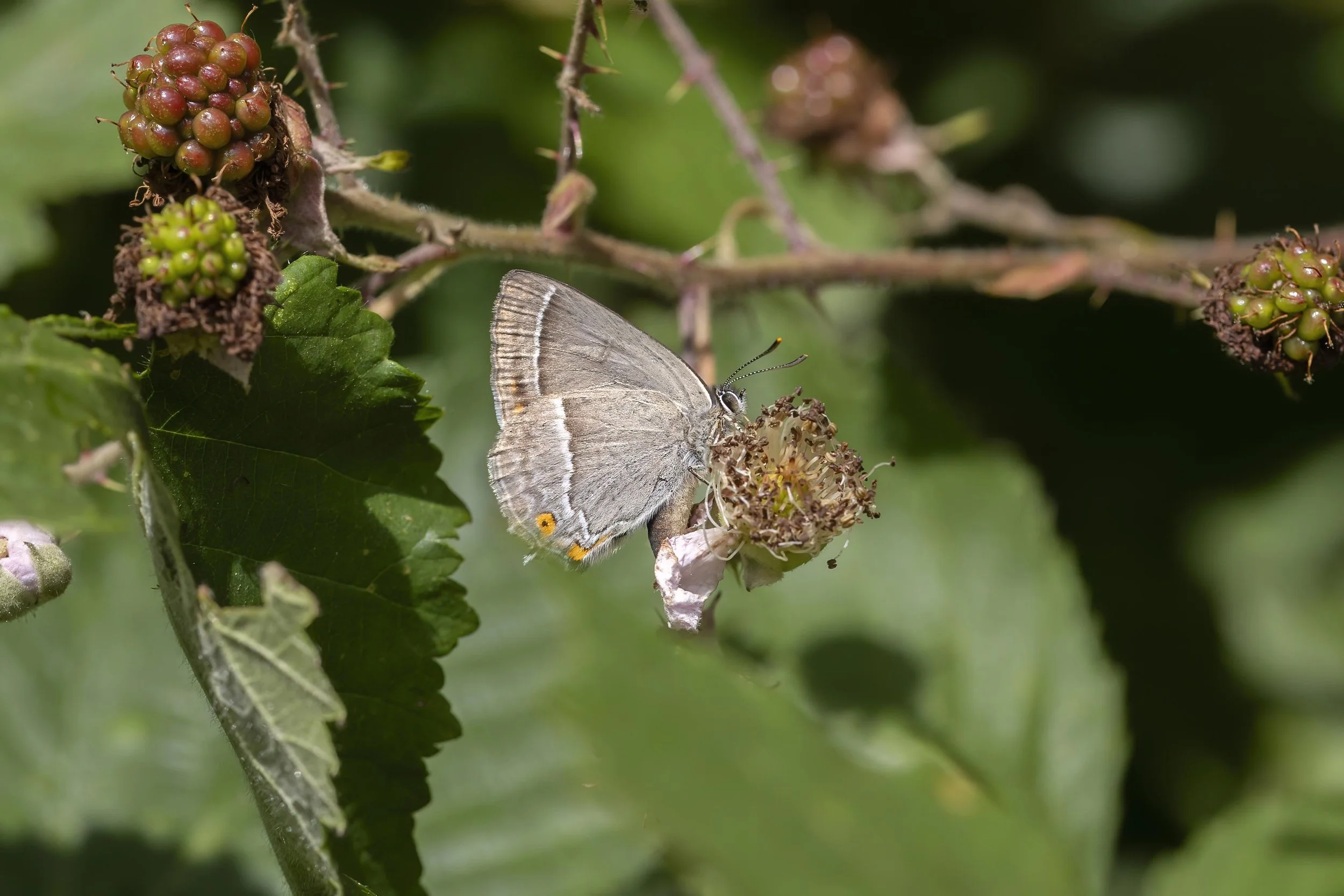
Purple Hairstreak
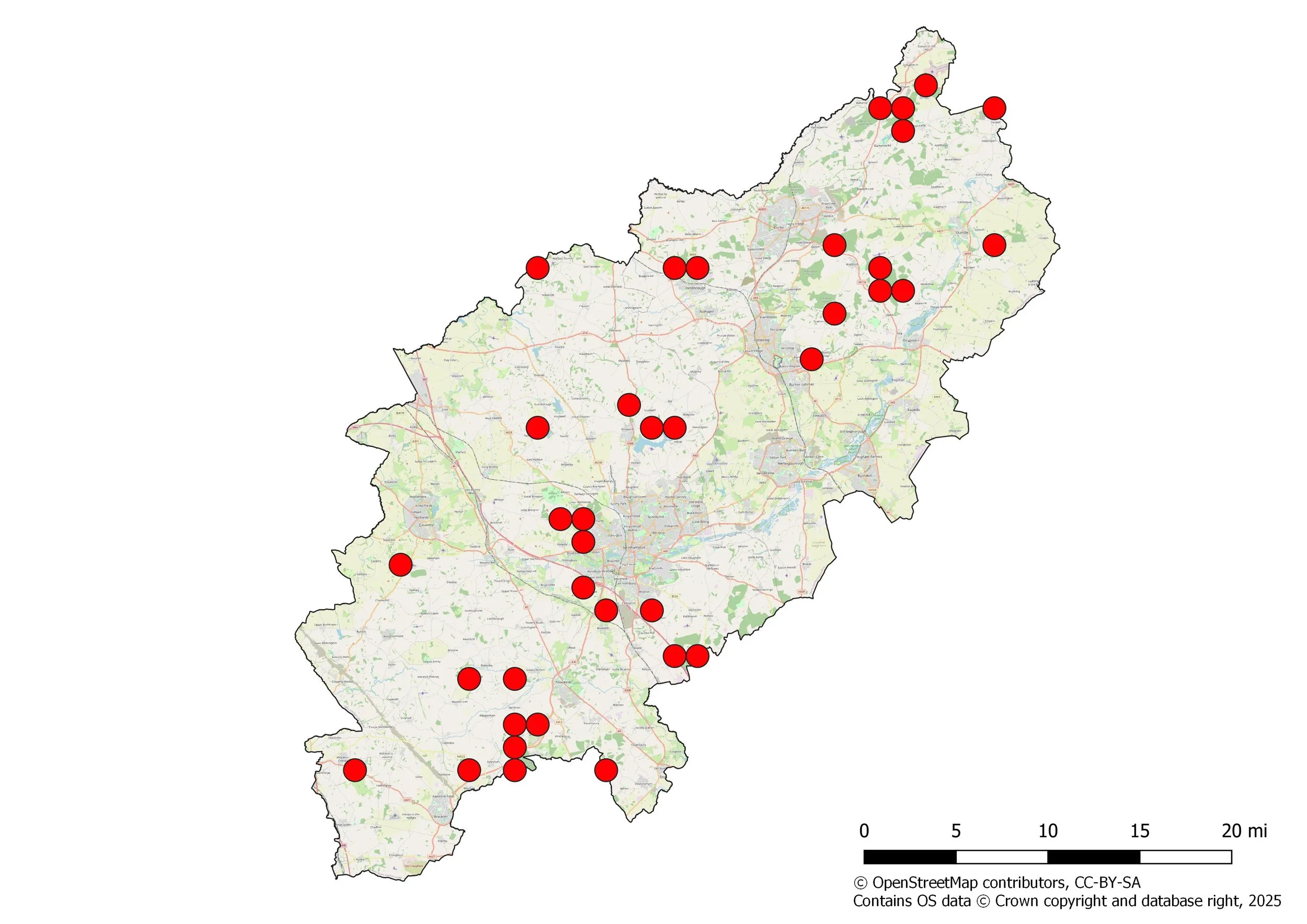
Purple Hairstreak Distribution
White-letter Hairstreak
With an increase of 11% above the previous year, the White-letter Hairstreak did slightly better during 2025 than it did the previous year, however, it was still 16% below the 10 year average. This species was recorded in low numbers at a number of locations, but the best sites to see them where the Brackmills Industrial Estate, the Harlestone area, Fineshade Wood, and Stanwick Pastures. The first of the year was seen on the 31st of May in Fineshade Wood, and the last one of the year was seen on the 22nd of July in Polebrook.
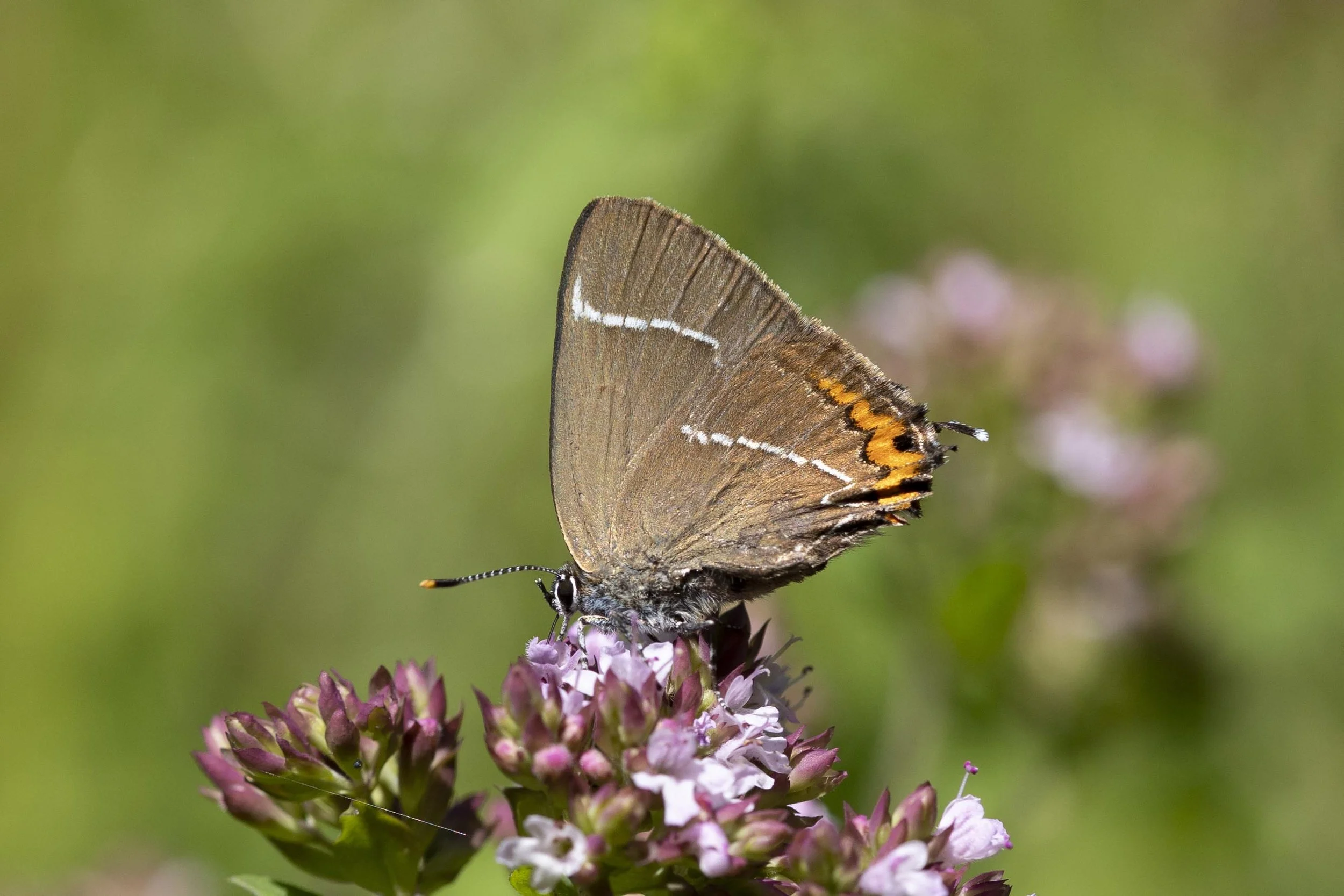
White-letter Hairstreak
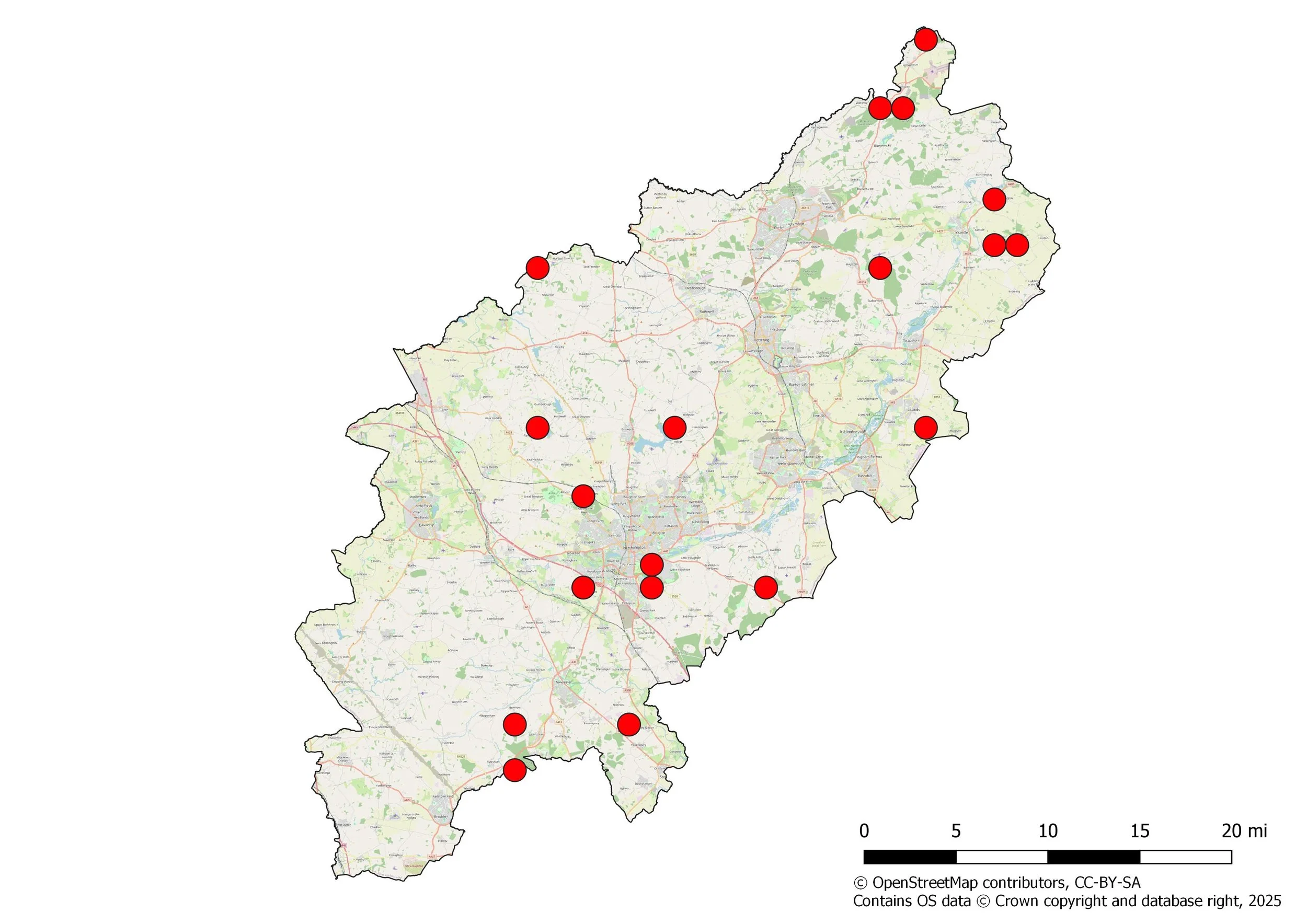
White-letter Hairstreak Distribution
Black Hairstreak
The Black Hairstreak had a very good season in 2025, with a 71% increase in records over the previous year, and a 50% increase above the 10 year average. It has been exciting to watch the fortunes of this iconic Northamptonshire species during recent years, and 2025 has been no less fascinating as another five new locations have been added to the distribution list! These new locations of 2025 include Brampton Wood, the Courteenhall Estate, Hazelborough Forest, Old Poor’s Gorse near Mawsley, and Twywell Hills and Dales. The best sites to see them were Fermyn Country Park, Fineshade Wood, Glapthorn Cow Pasture, and Salcey Forest. The first of the year was seen on the 29th of May in Glapthorn Cow Pastures, and the last of the year was recorded on the 1st of July in Fineshade Wood.
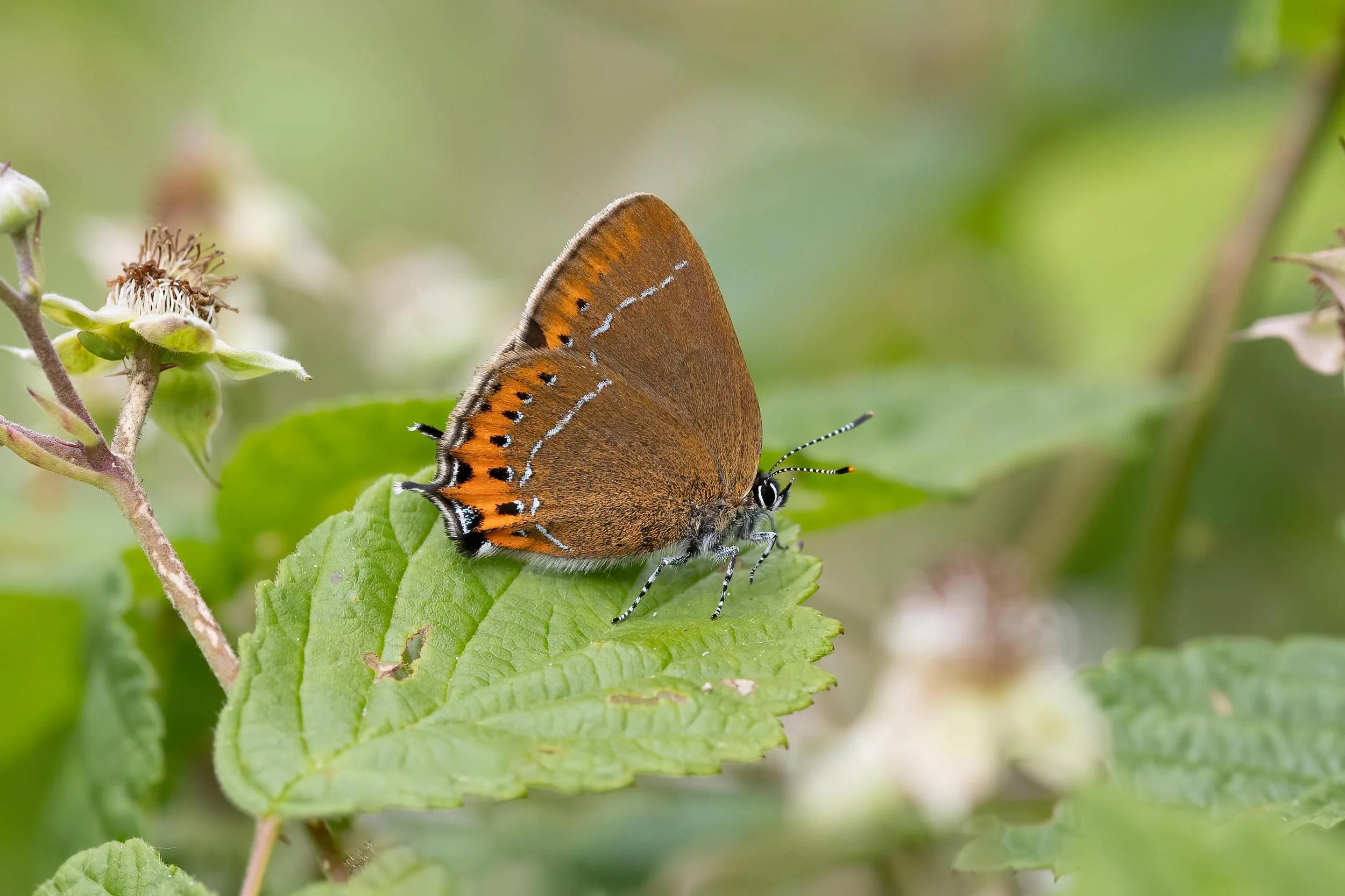
Black Hairstreak
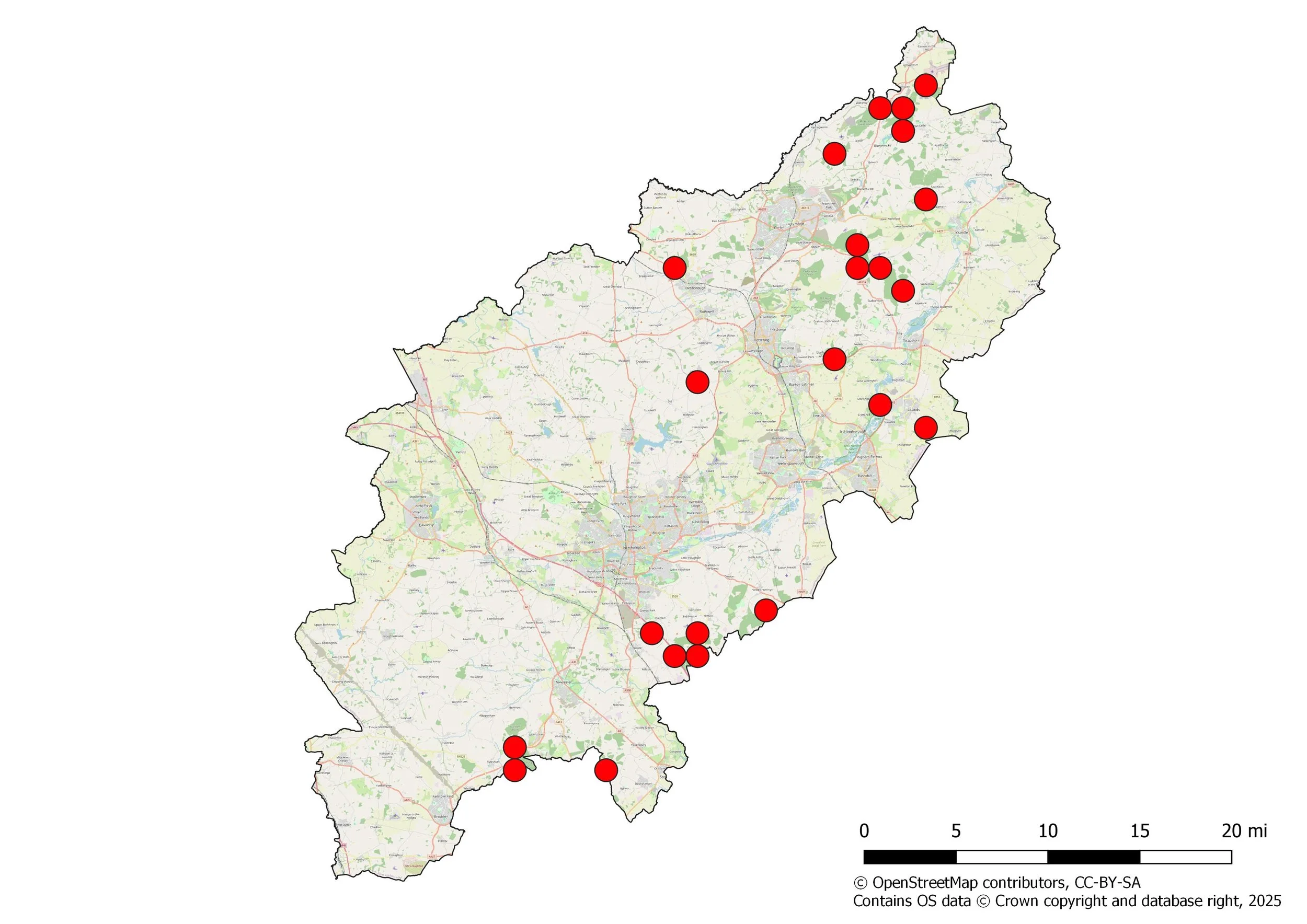
Black Hairstreak Distribution
Small Copper
The Small Copper had a good season during 2025, with an 81% increase in records above the previous year, and a 78% increase above the 10 year average. This is a common butterfly that can be encountered anywhere with suitable habitat, but the best sites to see them were Bradlaugh Fields, Harlestone Firs, Hazelborough Forest, Ravensthorpe Reservoir, Summer Leys Nature Reserve, Sywell Country Park, and Twywell Hills and Dales. The first of the year was seen on the 22nd of April in Finedon Country Park, and the last of the year was seen on the 9th of October at Pitsford Reservoir.
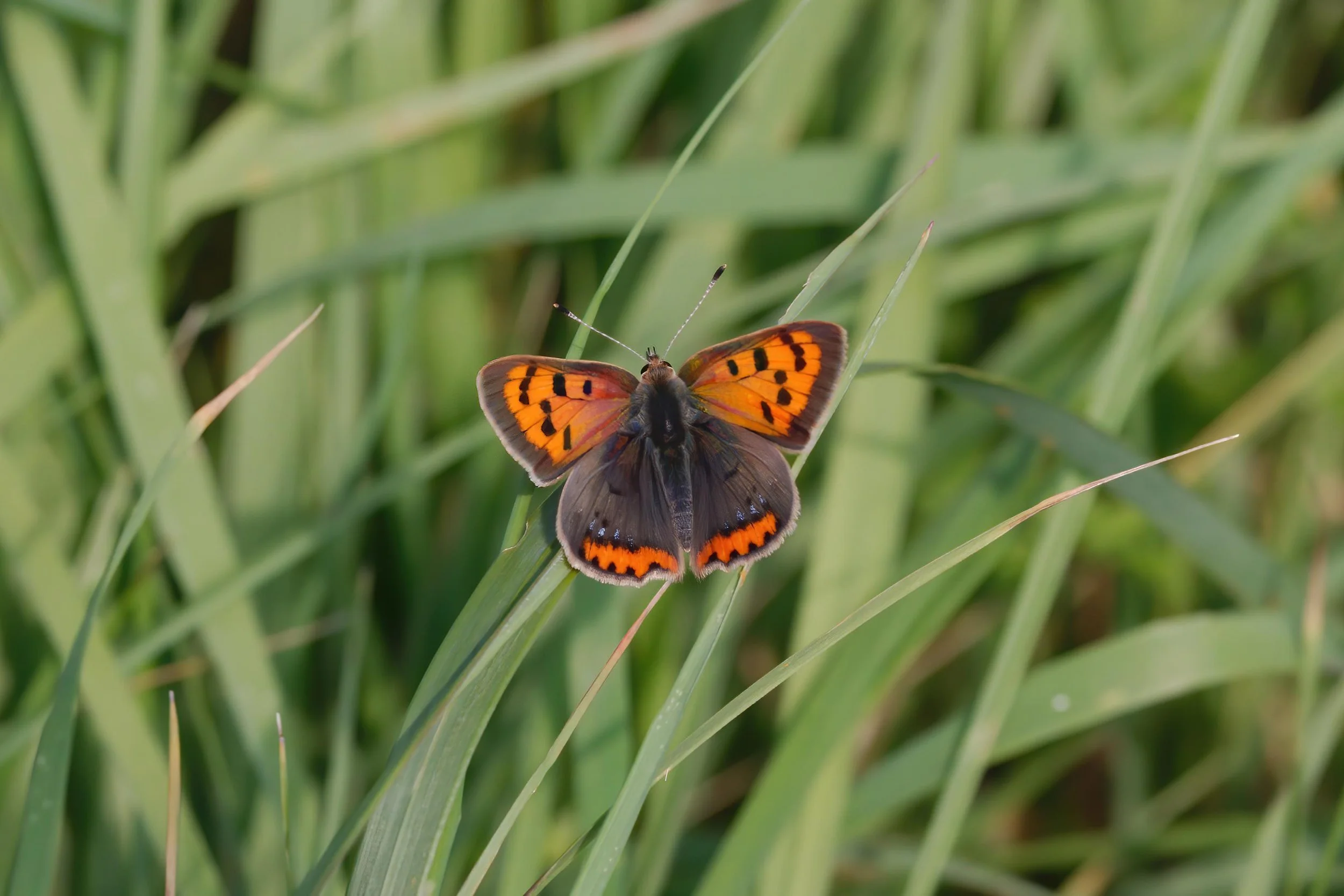
Small Copper
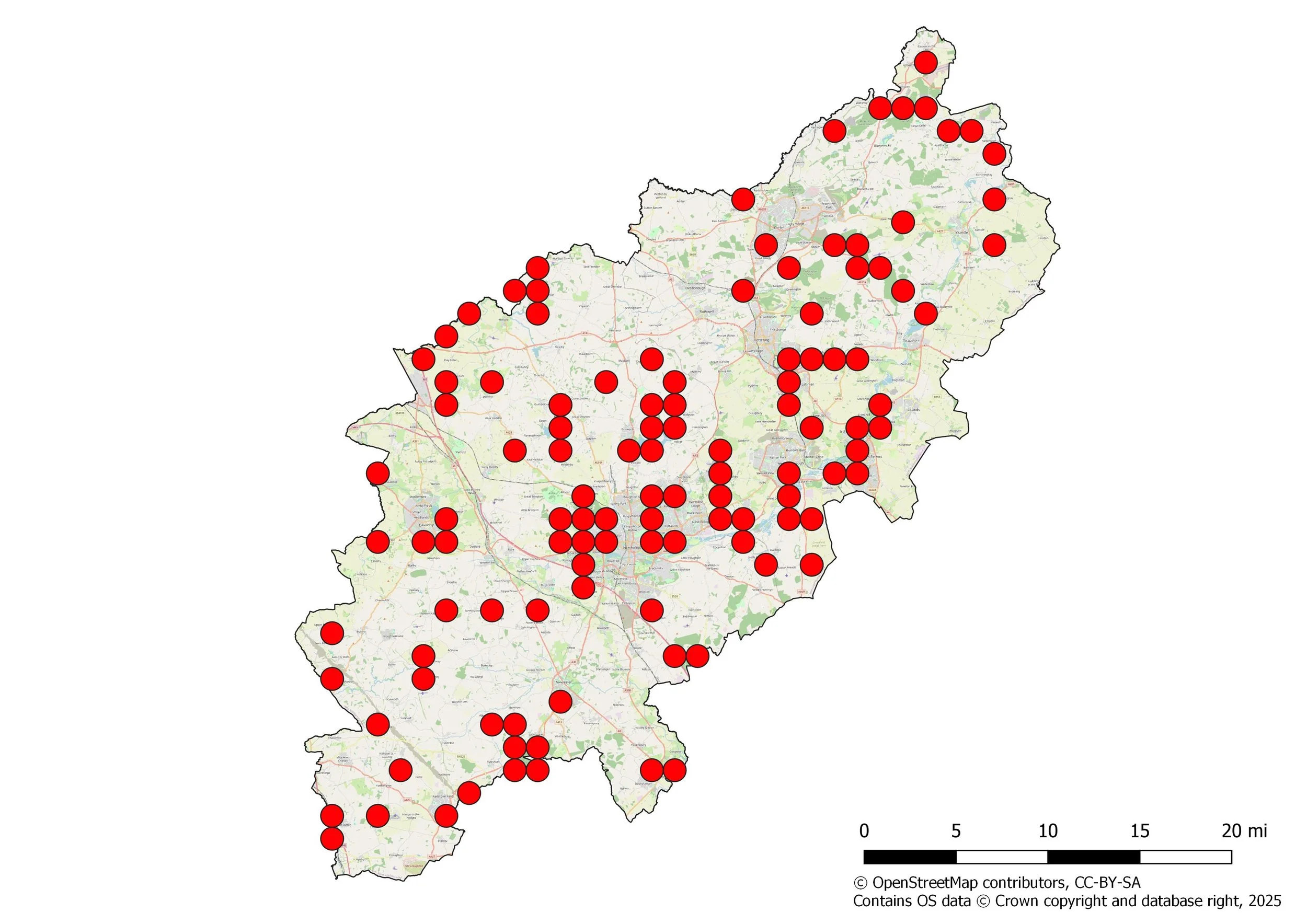
Small Copper Distribution
Brown Argus
The Brown Argus had an excellent year during 2025, and shows a 411% increase in records from the previous year, and a 74% increase above the 10 year average. This is a common butterfly that can be encountered anywhere with suitable habitat, but the best sites to see them were Brixworth Country Park, Collyweston Quarry, Fermyn Country Park, Fineshade Wood, and Summer Leys Nature Reserve. The first one of the year was seen on the 29th of April in Roade, and the last one of the year was recorded on the 2nd of October at Summer Leys Nature Reserve.
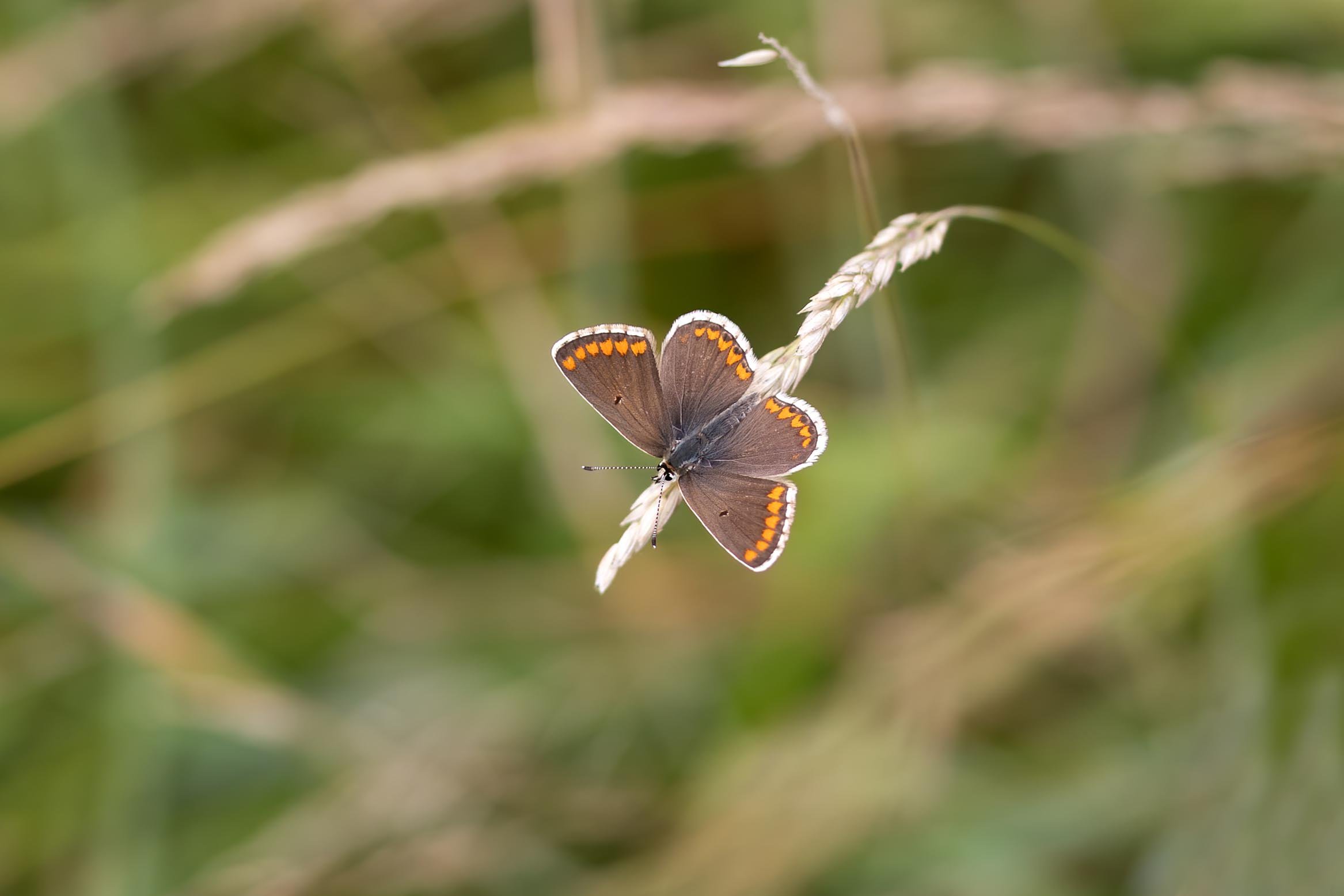
Brown Argus
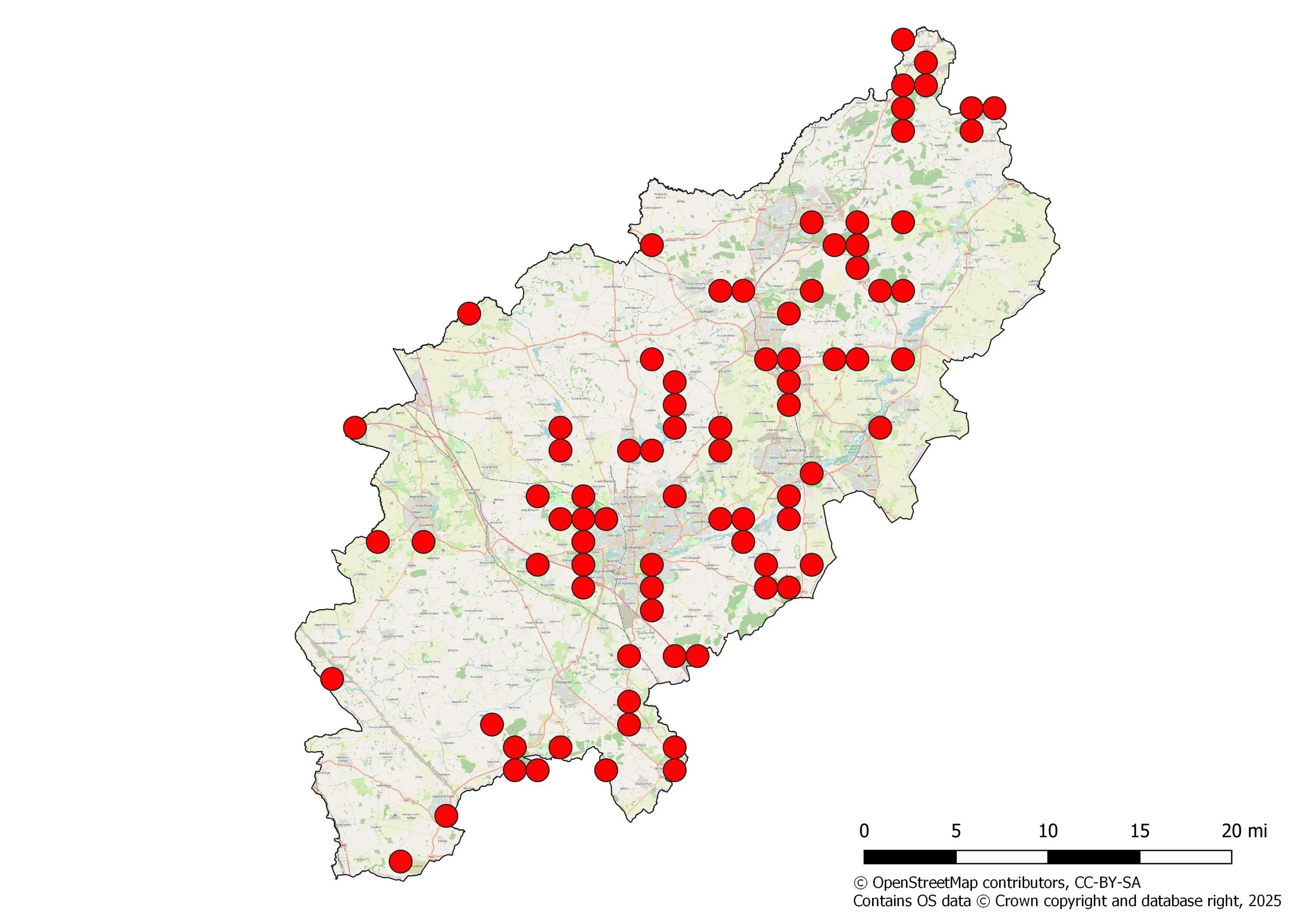
Brown Argus Distribution
Common Blue
The Common Blue had a good year during 2025, and shows a 262% increase in records from the previous year, and a 71% increase above the 10 year average. This is a widespread butterfly that can be encountered anywhere with suitable habitat, but the best sites to see them were Collyweston Quarry, Fermyn Country Park, Fineshade Wood, Harrington Airfield, Old Sulehay and Ring Haw, Summer Leys Nature Reserve, Swan Valley Industrial Estate, and Twywell Hills and Dales. The first of the year was seen on the 28th of April at Kettering General Hospital, and the last ones of the year were seen on the 9th of October at Pitsford Reservoir and Twywell Hills and Dales.
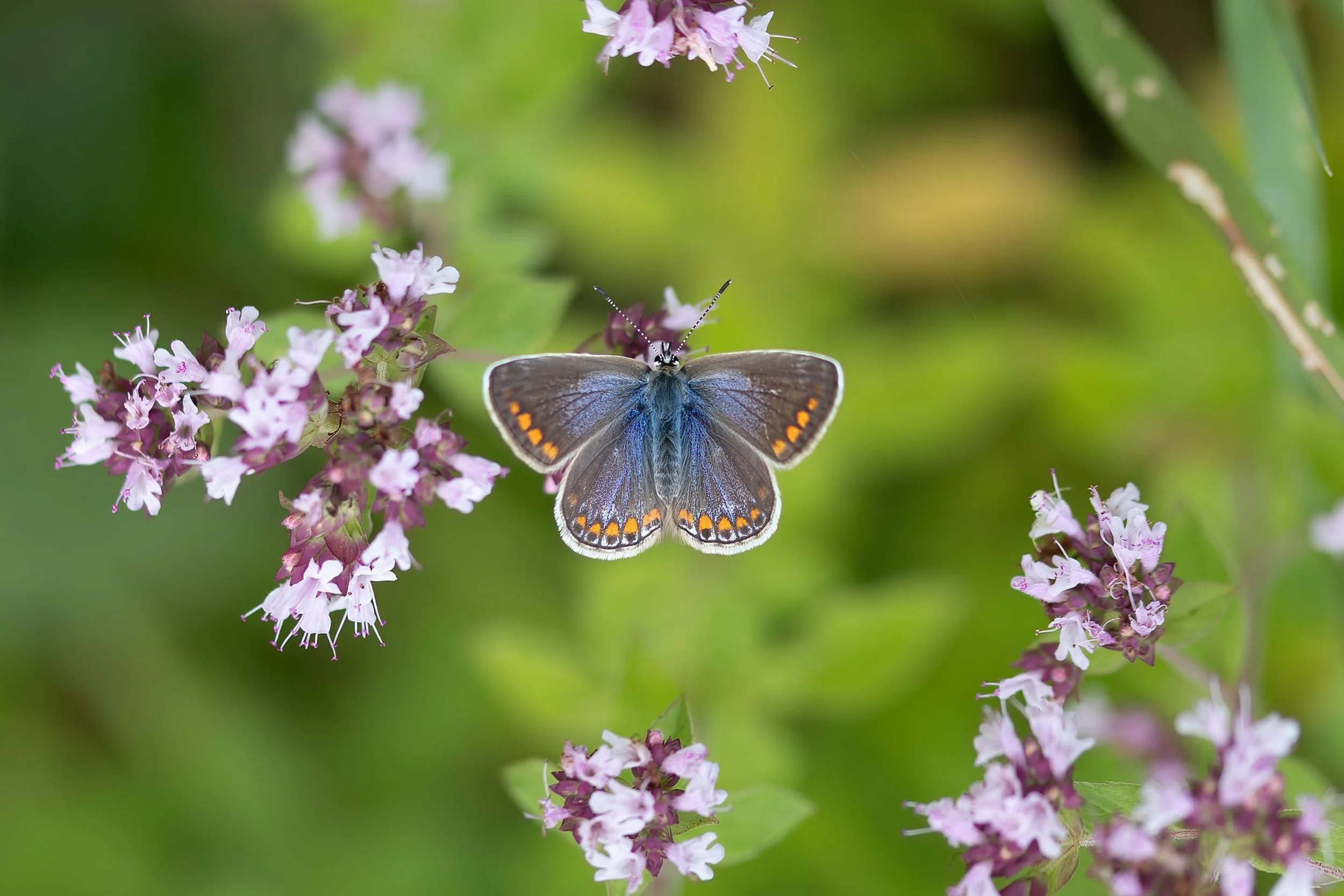
Common Blue
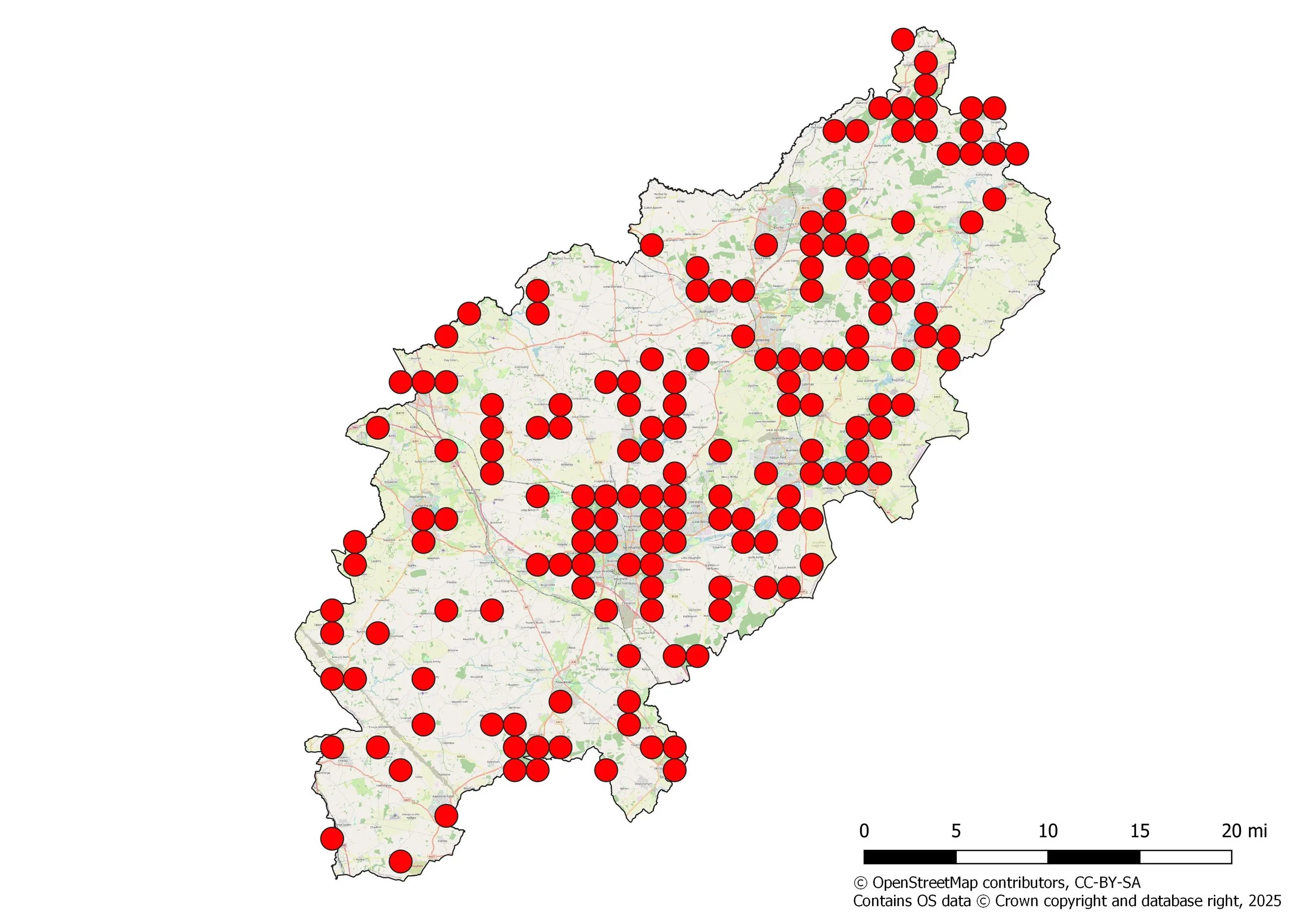
Common Blue Distribution
Small Blue
A confirmed sighting of a Small Blue on the 9th of June was one of the biggest surprises of the year, and it was seen tantalizingly close to where the last remaining colony in Northamptonshire used to exist before its apparent extinction two decades ago. This does suggest that a few have either survived or there is another unknown colony nearby where this one may have straggled from. The butterfly was found by ecologists near the new HS2 line close to Halse Copse, near Helmdon, and is an incredible discovery. There will be searches this year to try and find out where it may have come from, but please note that the old location for Small Blues in the county is now strictly private.
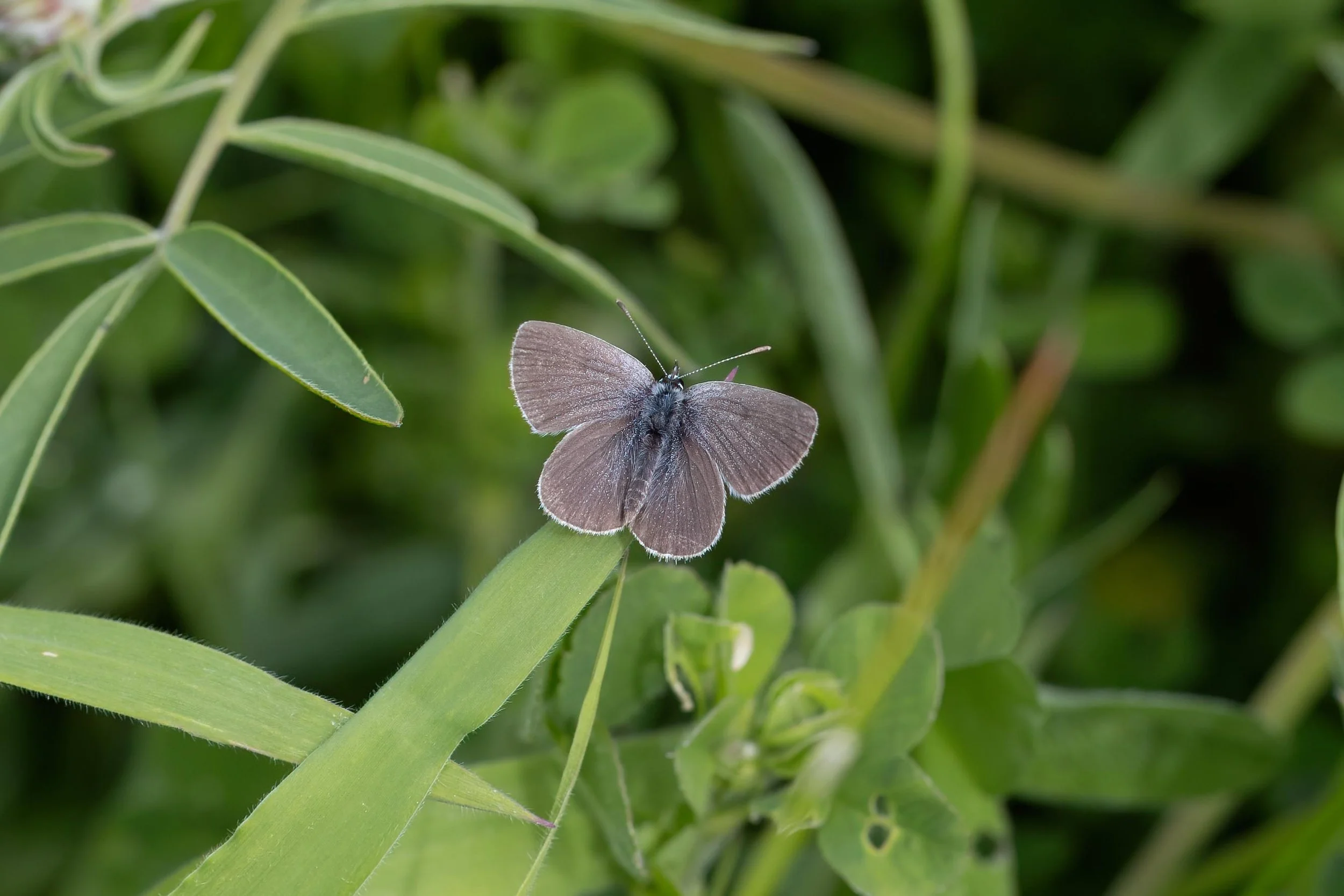
Small Blue
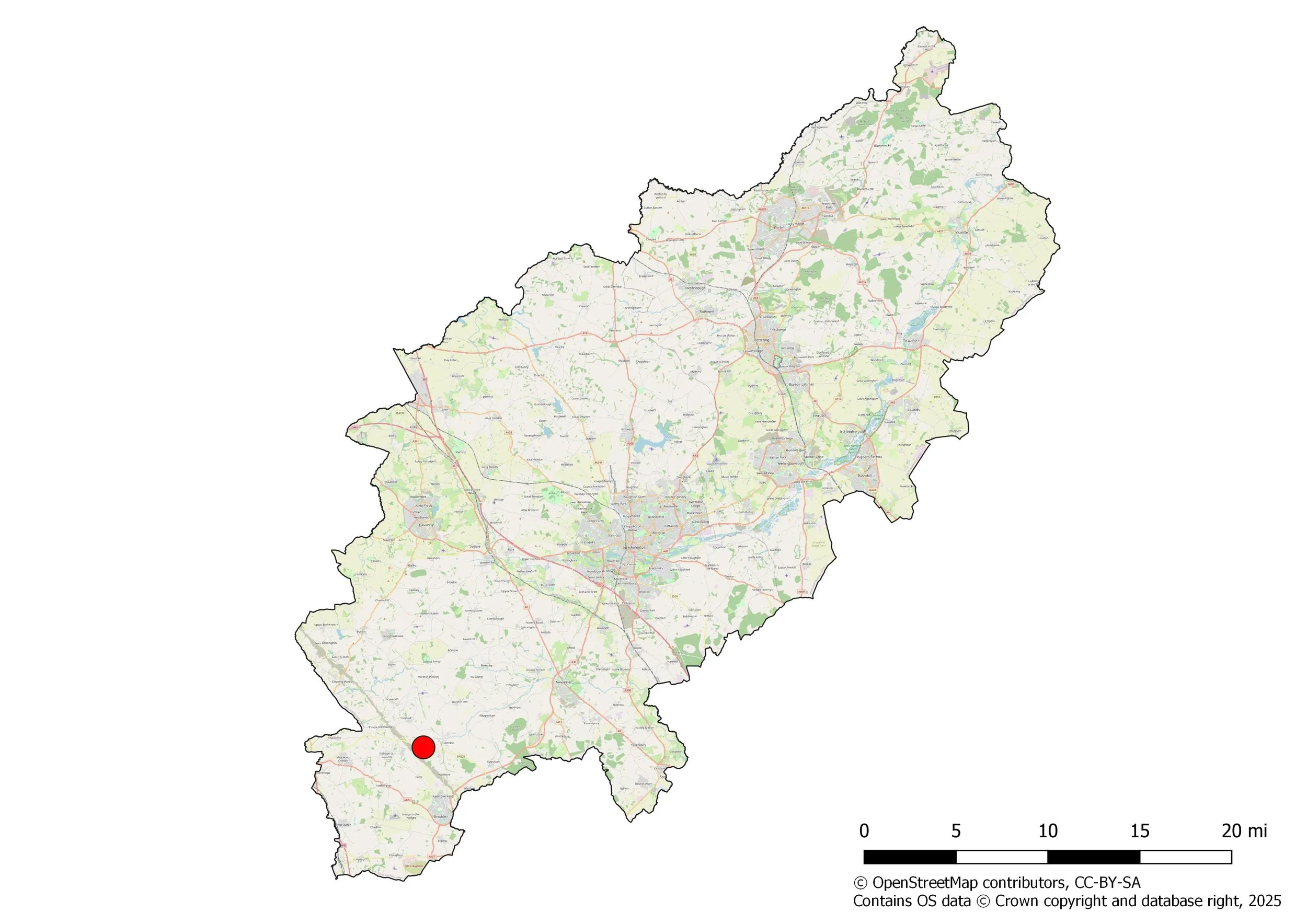
Small Blue Distribution
Holly Blue
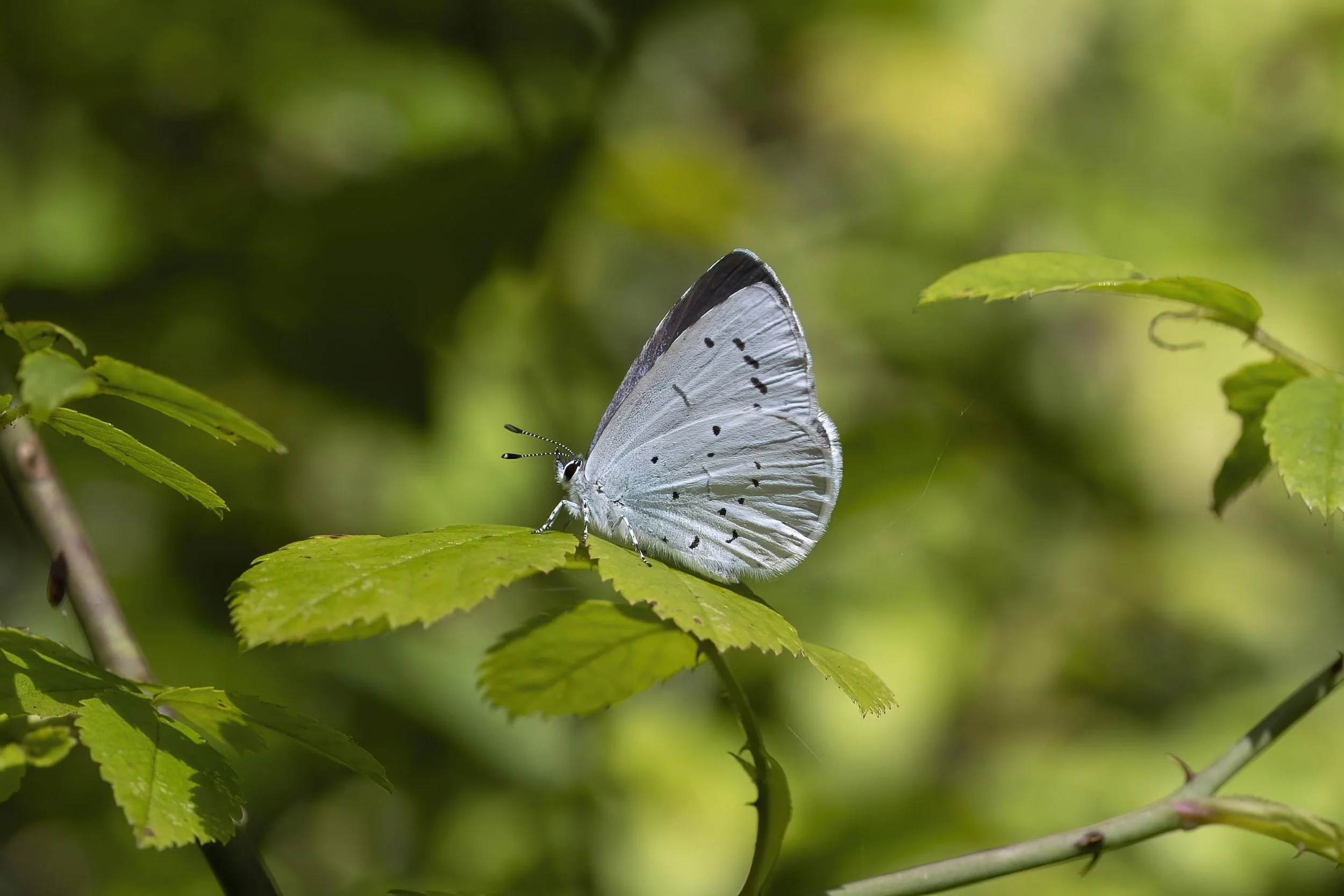
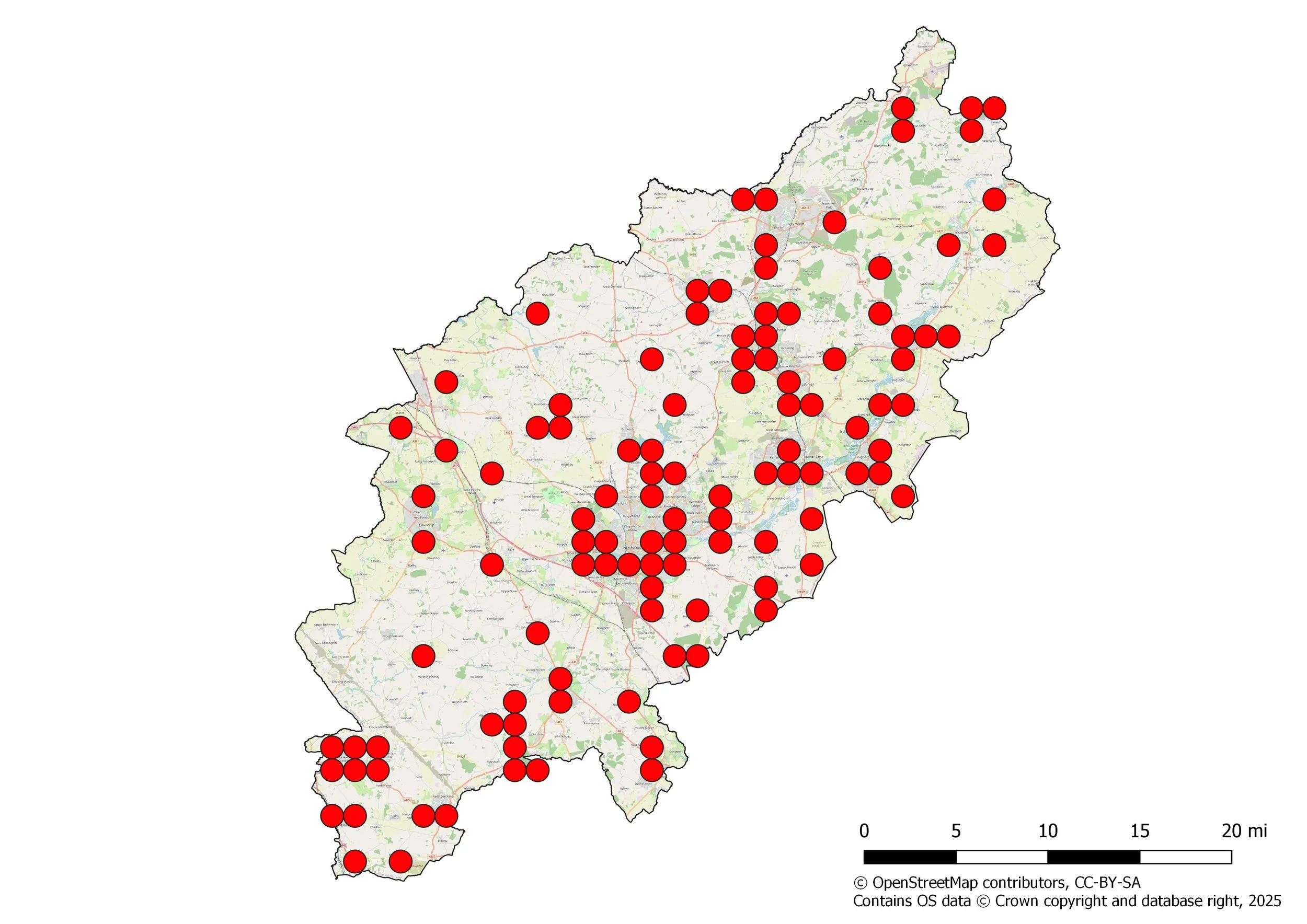
The Holly Blue shows a 6% drop in records below the previous year, and a 20% drop below the 10 year average. This is a widespread butterfly that can be encountered anywhere with suitable habitat. The first one of the year was seen on the 27th of March in Kettering, and the last one of the year was seen on the 13th of November, also in Kettering. However, 2025 was a notable year for the species for the lateness of larvae being seen, with one larva recorded as late as the 23rd of December in Abington Park.
Holly Blue
Holly Blue Distribution
White Admiral
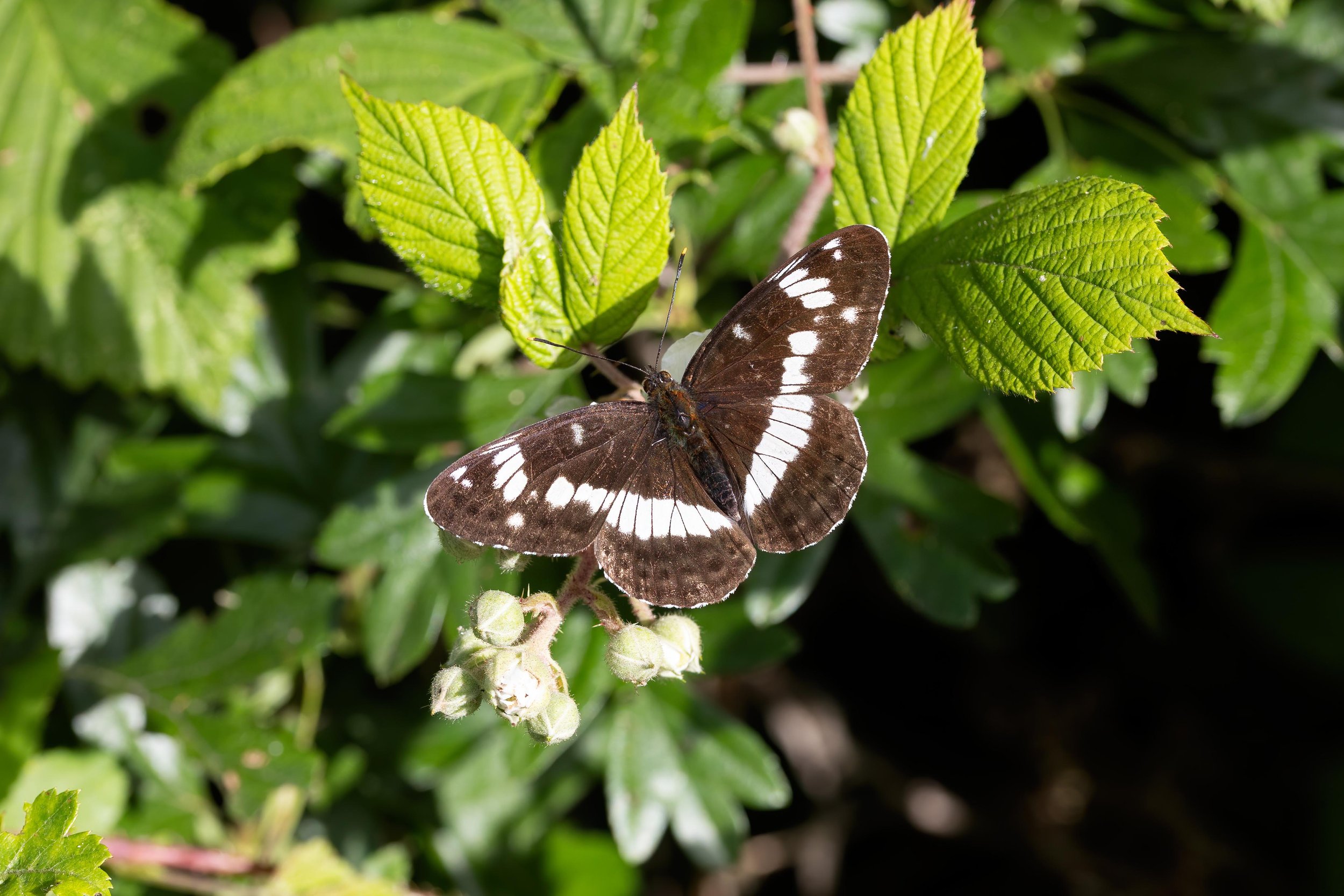
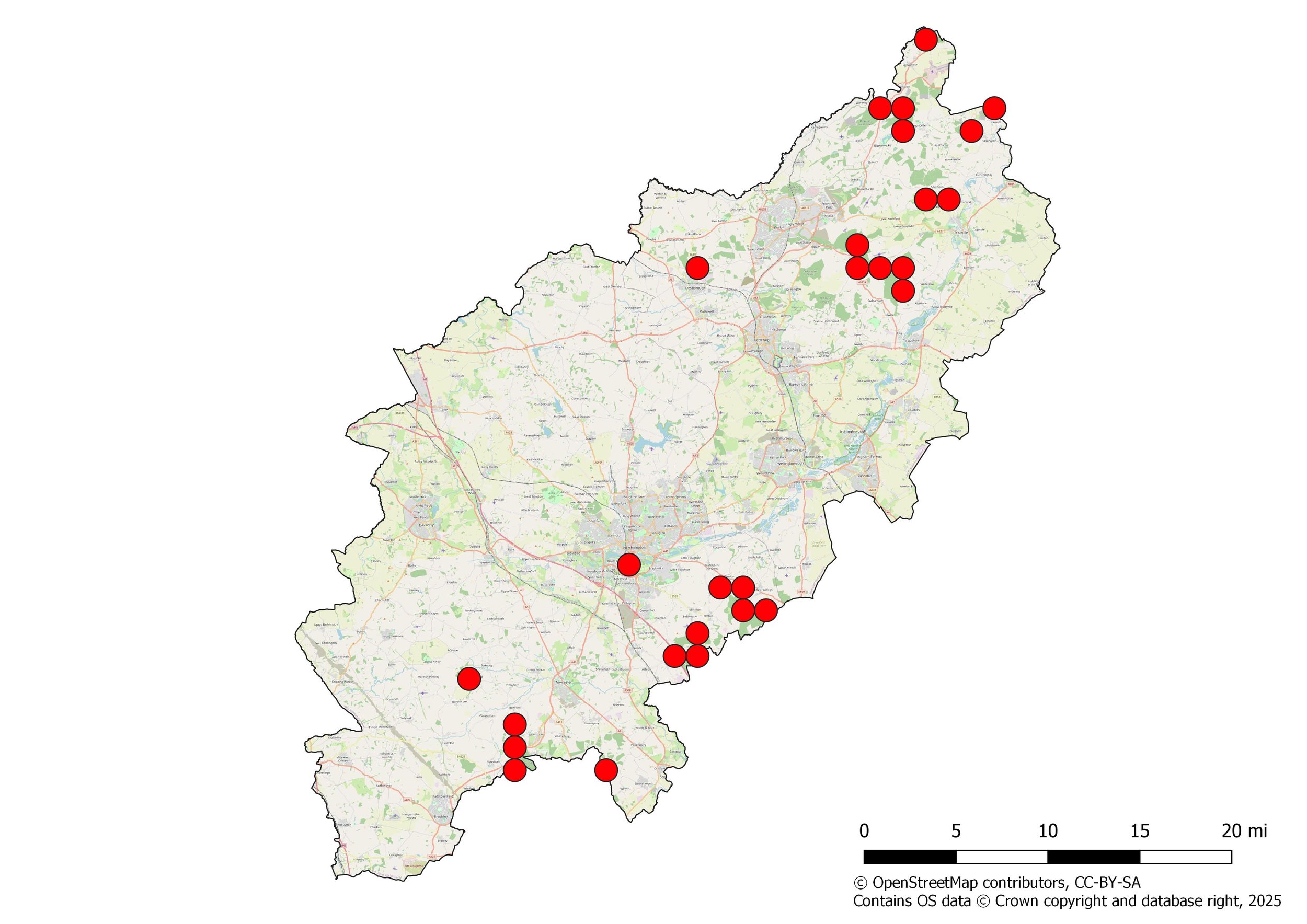
The White Admiral had a poor seaon with a 2% drop in records from the previous year, and a 28% drop in records below the 10 year average. The best sites to see them were Bucknell Wood, Fermyn Wood, Fineshade Wood, Hazelborough Forest and Wood, and Salcey Forest. The first one of the year was recorded on the 10th of June in Glapthorn Cow Pasture, and the last one of the year was seen on the 18th of July in Hazelborough Forest.
White Admiral
White Admiral Distribution
Purple Emperor
Although the Purple Emperor did considerably better in 2025 than the previous year with a 31% increase in records, it was still 14% below the 10 year average for the species. This species continues to expand its range with gusto and is being regularly recorded in nearly all suitable woodlands now. In fact, a Purple Emperor even surprised a lucky angler on the banks of Corby Boating Lake one day in July when it came down to inspect the Salmon oil he was flavouring his fishing bait with! The best sites to see them were Brampton Wood, Bucknell Wood, Fermyn Wood, Fineshade Wood, Hazelborough Wood and Forest, and Salcey Forest. The first one of the year was seen on the 17th of June in Fermyn Wood, and the last one of the year was recorded on the 22nd of July, also in Fermyn Wood.
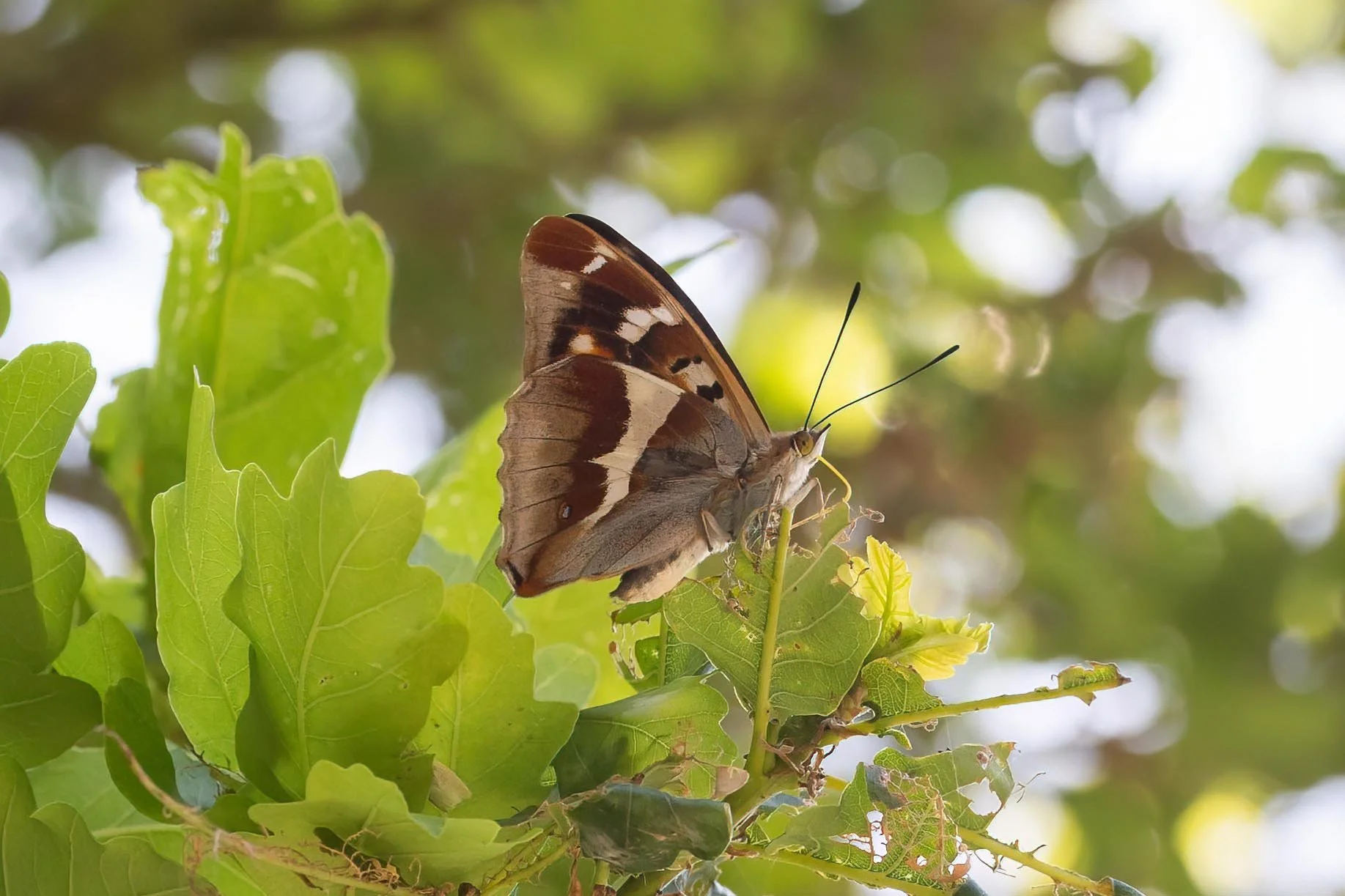
Purple Emperor
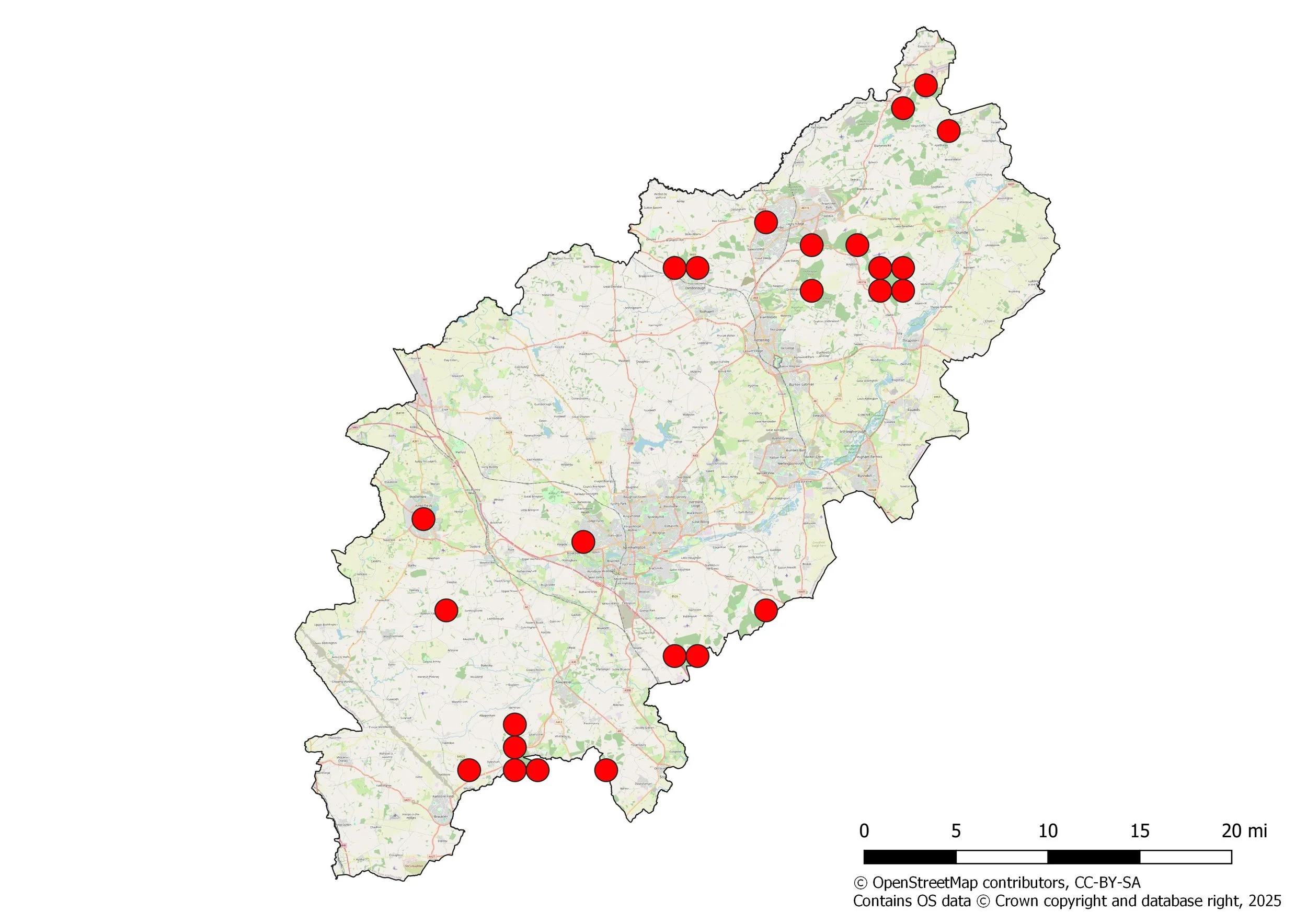
Purple Emperor Distribution
Red Admiral
The Red Admiral had an average year in the county, showing a 10% increase in records above the previous year, but a 11% decrease in records below the 10 year average. The widespread butterfly could be seen anywhere with a suitable habitat, but the best sites include Abington Park, Bucknell Wood, Farthinghoe Nature Reserve, Fermyn Wood, Fineshade Wood, Harlestone Firs, Hazelborough Forest and Wood, Old Sulehay, Ravensthorpe Reservoir, Ring Haw, Salcey Forest, and Sywell Country Park. The first one of the year was recorded on the 21st of January in Oundle, and the last one of the year was seen on the 10th of December at Lamport Hall.
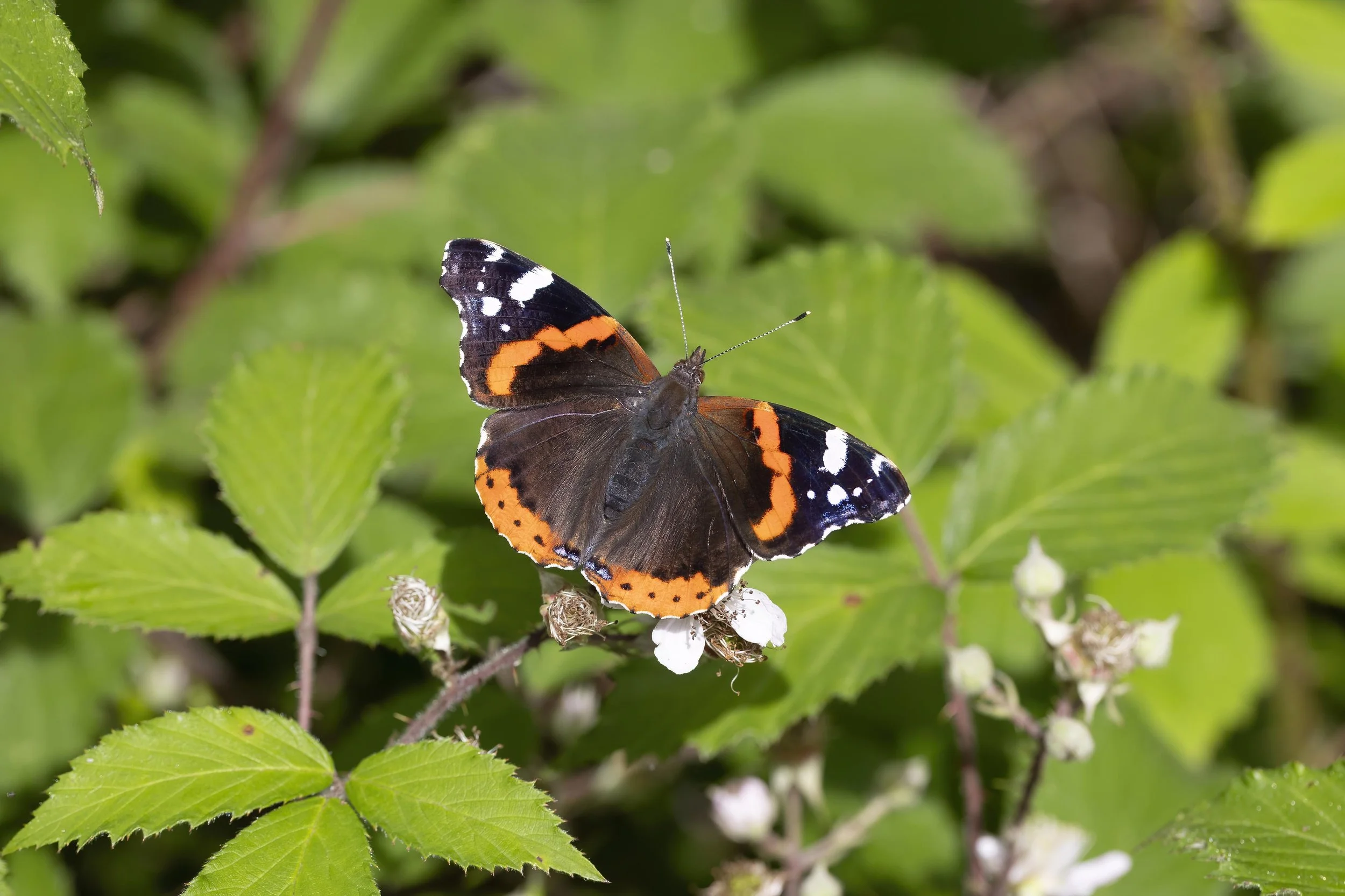
Red Admiral
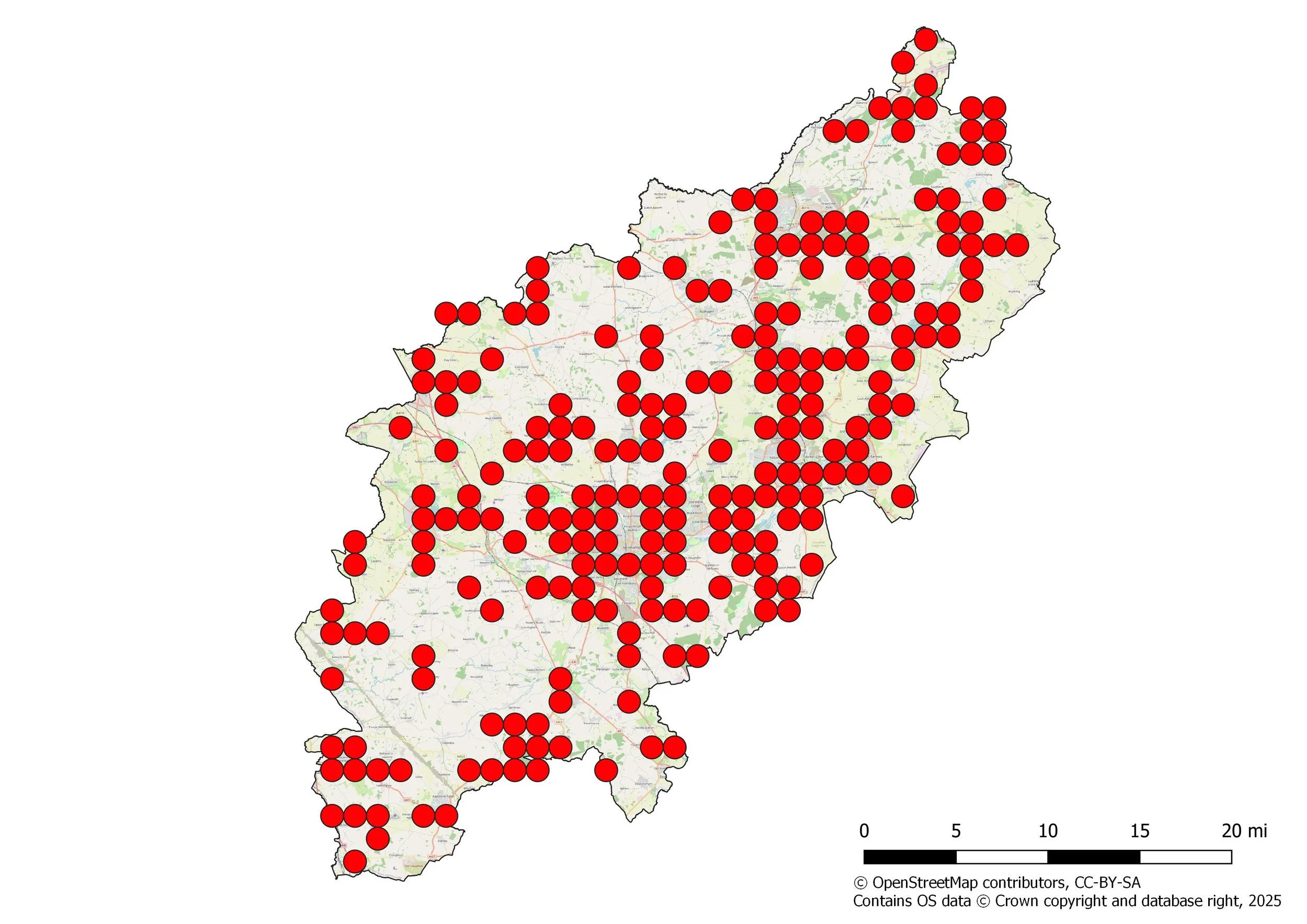
Red Admiral Distribution
Painted Lady
The Painted Lady showed a 70% increase in records above the previous year, but this is a 66% drop in records below the 10 year average. This migratory butterfly could be found anywhere with suitable habitat. The first of the year was seen on the 6th of April in Abington Park, and the last one of the year was seen on the 27th of September on the Westone Estate in Northampton.
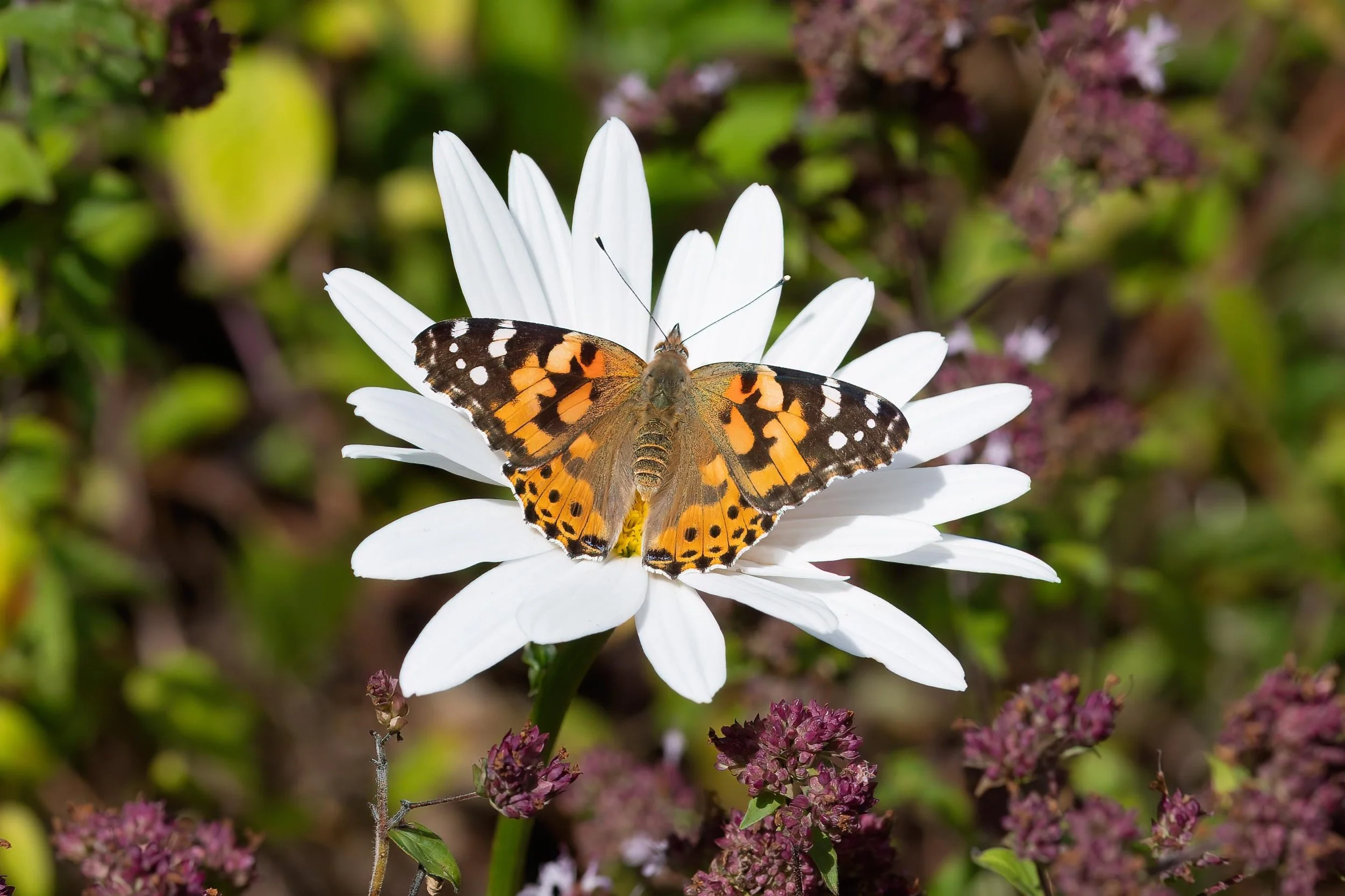
Painted Lady
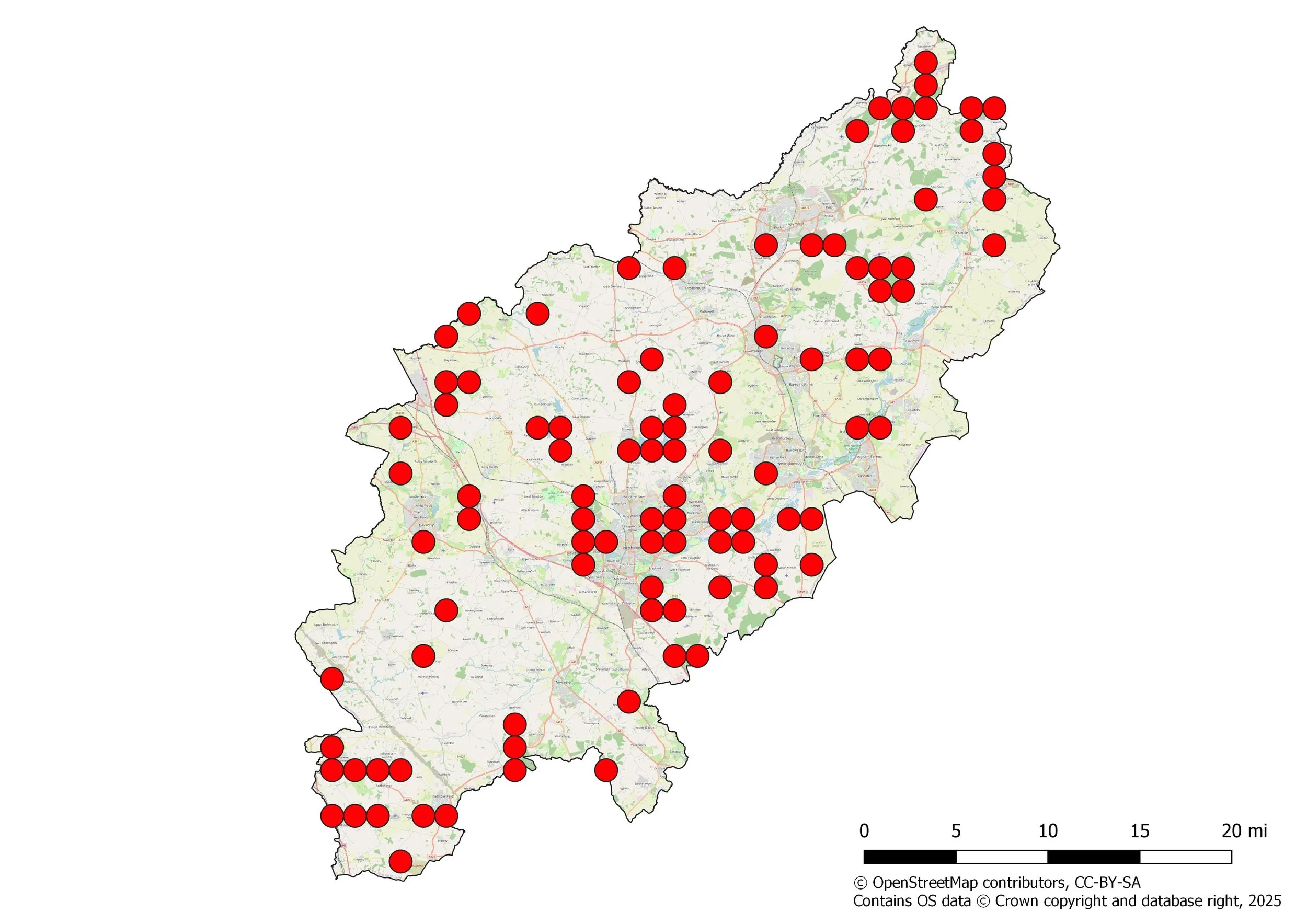
Painted Lady Distribution
Small Tortoiseshell
The Small Tortoiseshell continues its worrying downward trend, and although it showed a 27% increase in records above the previous year, that is still 79% below the 10 year average. At the time of writing, slightly more Black Hairstreaks were recorded in Northamptonshire during 2025 than Small Tortoiseshells, which is a sobering thought. Some of the best sites to see them were Brampton Wood, Farthinghoe Nature Reserve, Fermyn Woods, Kelmarsh Hall, New Duston, the Nene Westlands, and Twywell Hills and Dales. The first one of the year was seen on the 2nd of February in Desborough, and the last one of the year was recorded on the 6th of September at Pitsford Nature Reserve.
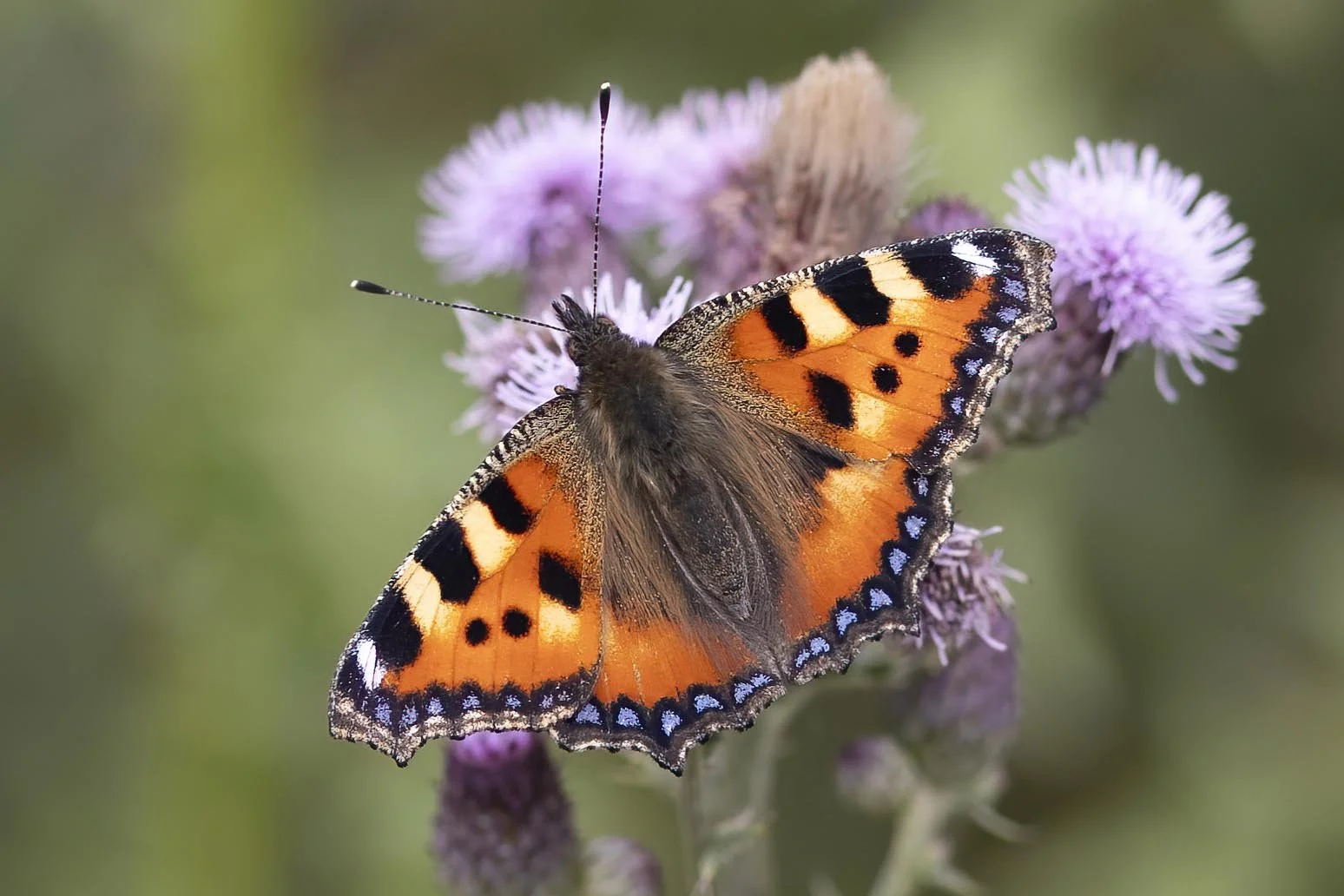
Small Tortoiseshell
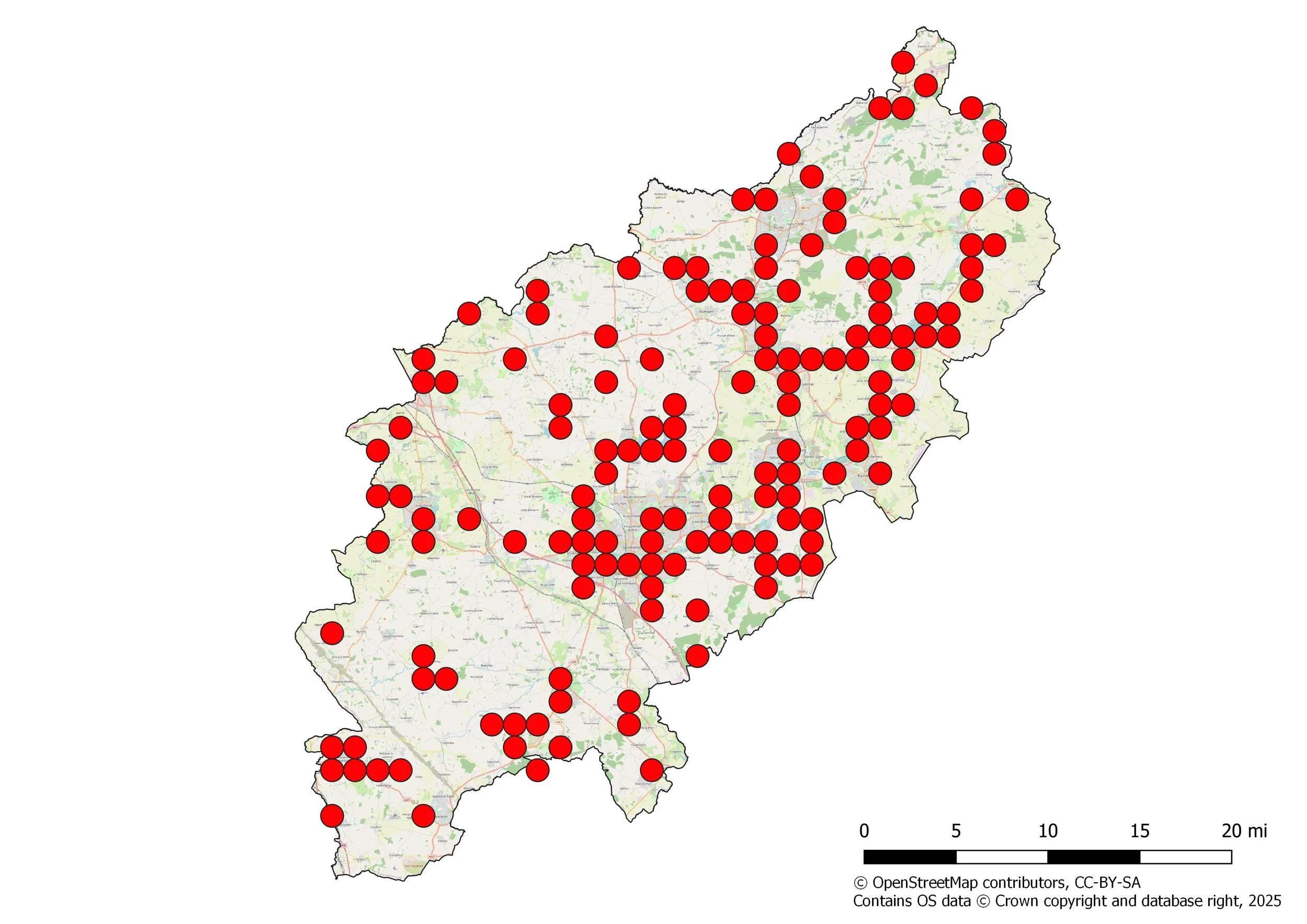
Small Tortoiseshell Distribution
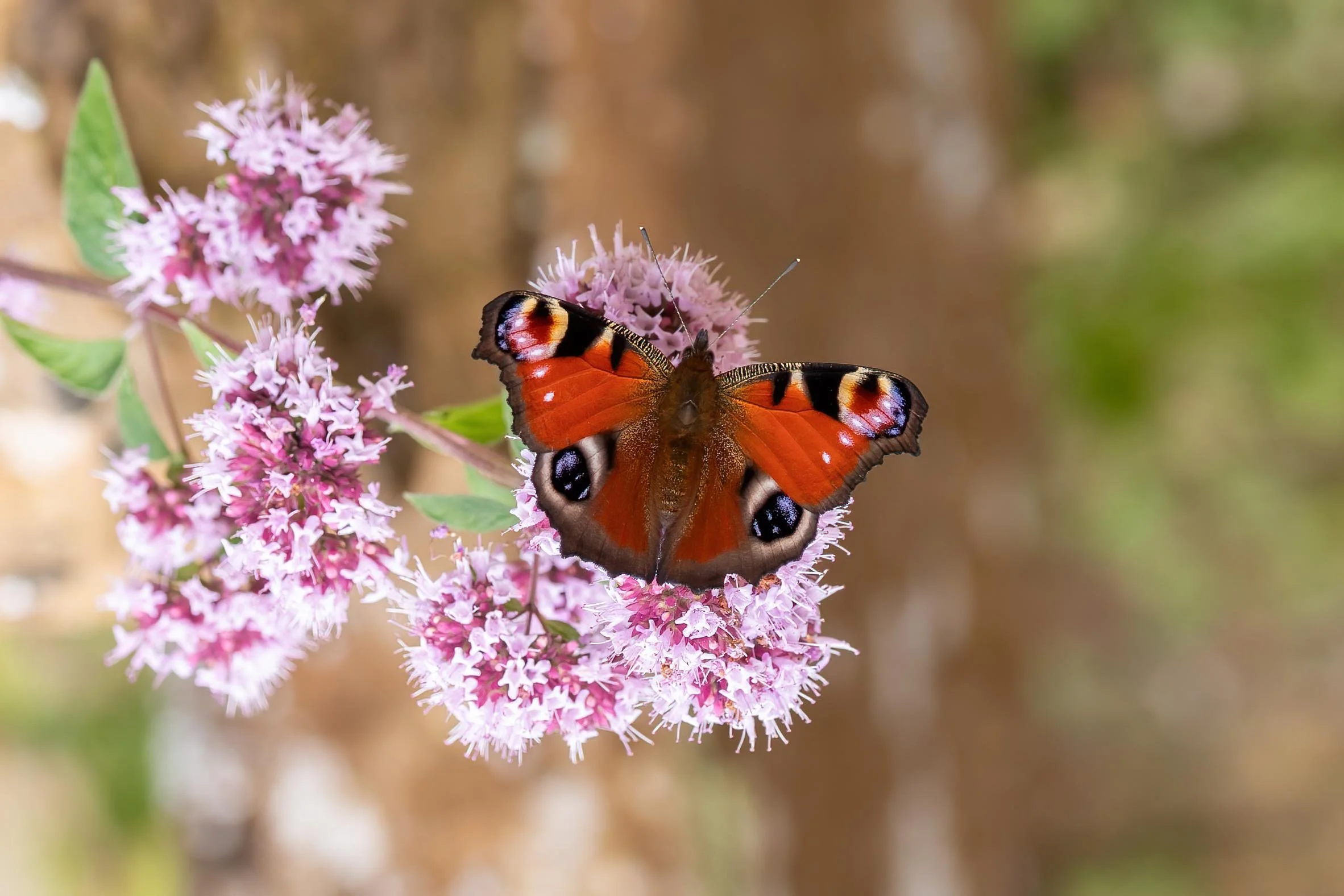
Peacock
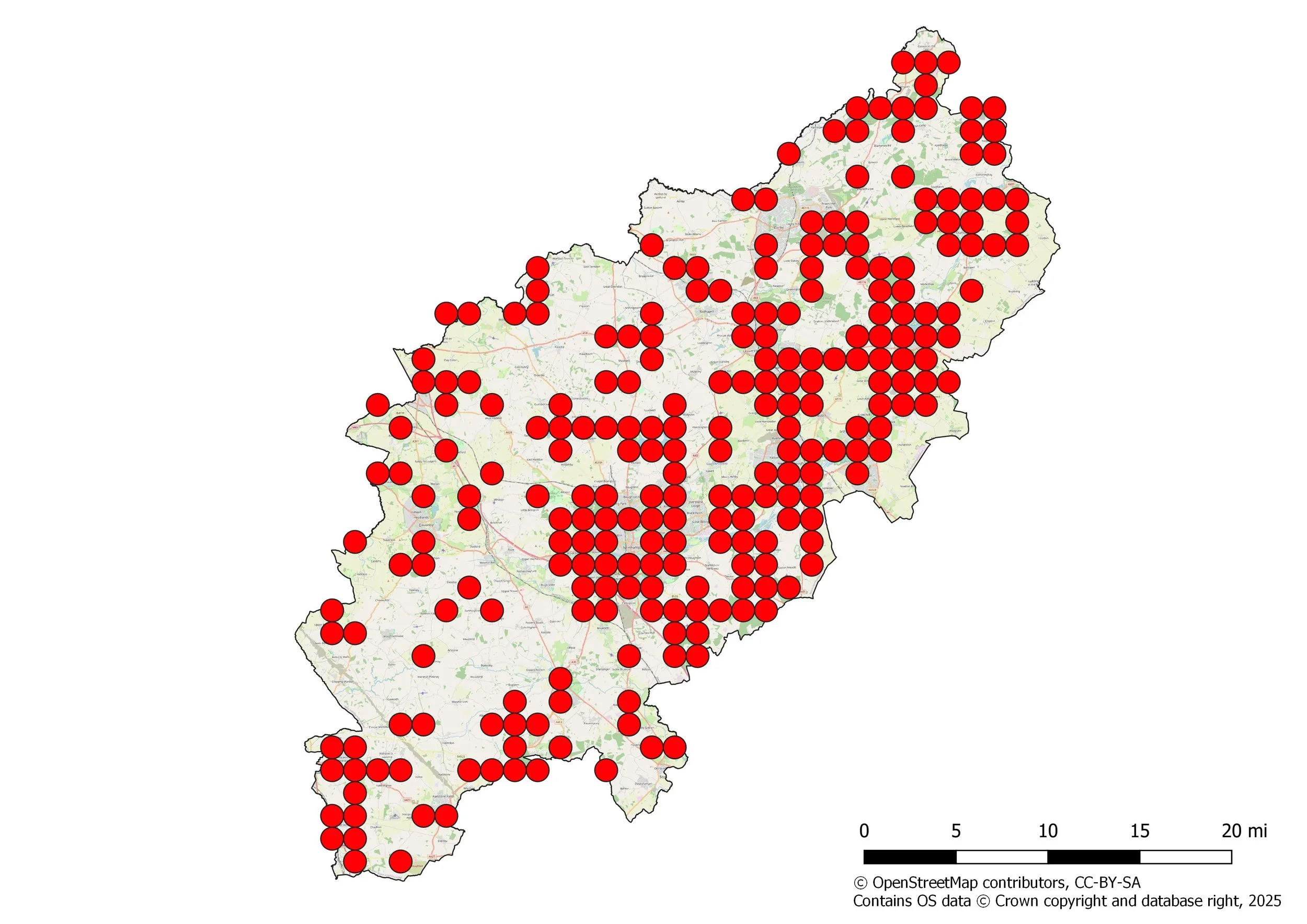
The Peacock had a slightly better than average year and shows a 10% increase in records above the previous year, and an 18% increase above the 10 year average. This is a common butterfly which could be seen anywhere, but the best sites were Bradlaugh Fields, Bucknell Wood, Farthinghoe Nature Reserve, Fineshade Wood, Harrington Airfield, Hazelborough Forest and Wood, Old Sulehay and Ring Haw, Salcey Forest, Summer Leys Nature Reserve, and Twywell Hills and Dales. The first one of the year was seen on the 3rd of January at Deene Lake, and the last one of the year was recorded on the 10th of December at Titchmarsh Nature Reserve
Peacock
Peacock Distribution
Comma
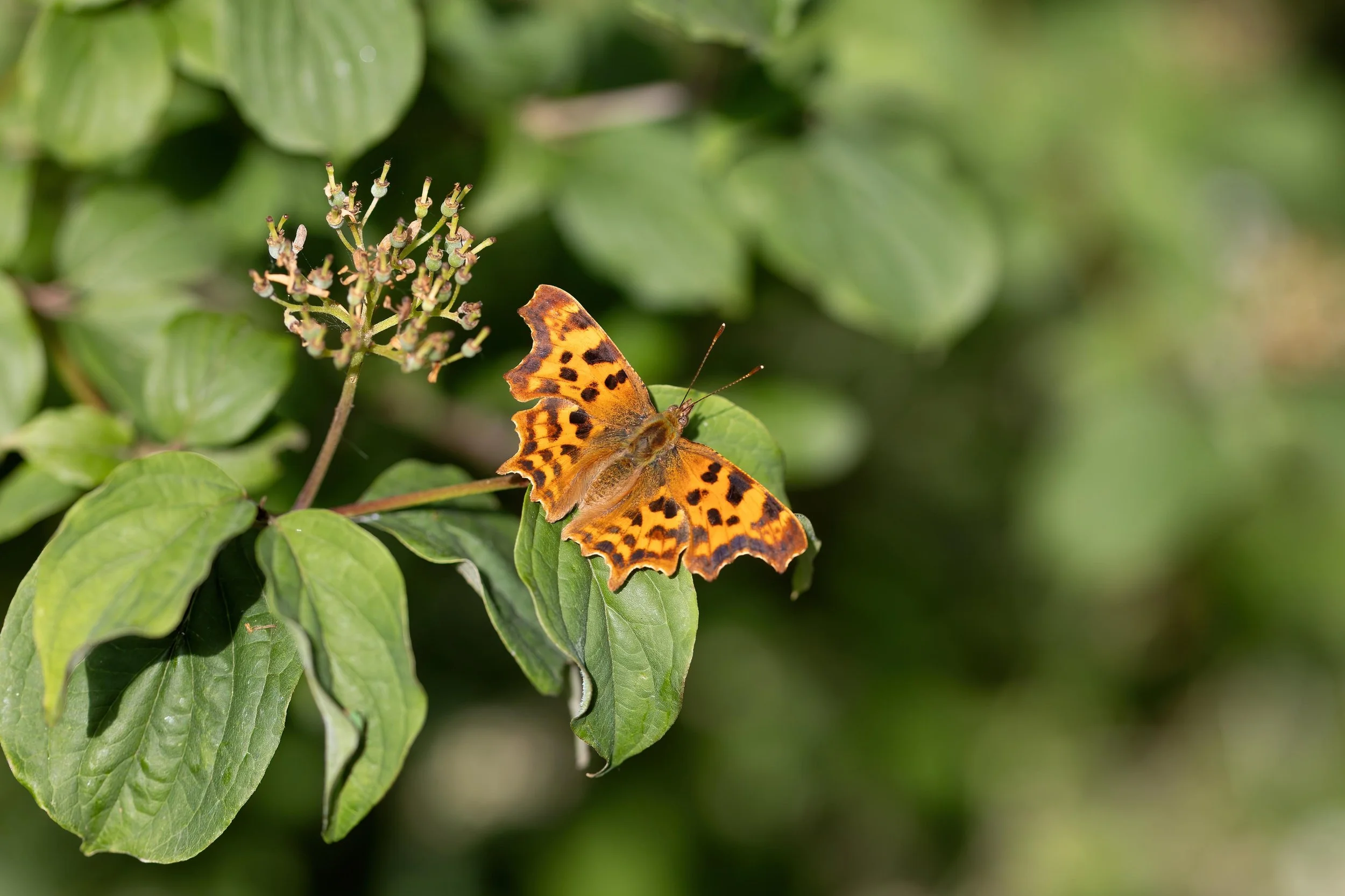
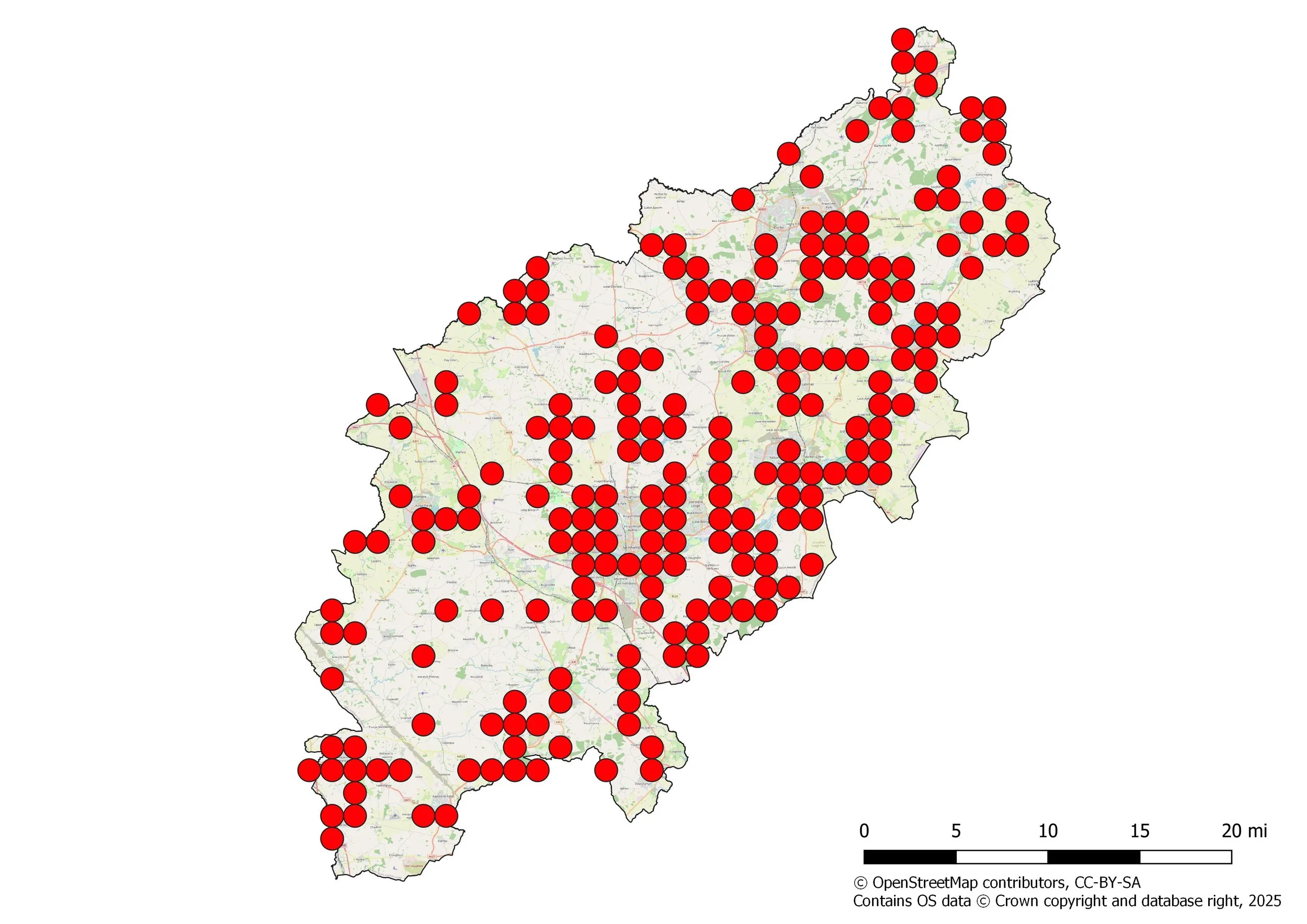
The Comma had a very good year in the county in 2025 and shows a 43% increase in records above the previous year, and a 77% increase above the 10 year average. This is a widespread butterfly that can be seen anywhere with suitable habitat, but the sites with the best numbers were Brampton Wood, Bucknell Wood, Farthinghoe Nature Reserve, Fermyn Wood, Fineshade Wood, Salcey Forest, and Summer Leys Nature Reserve. The first ones of the year were seen on the 4th of March in Hanging Houghton, Hazelborough Forest, Potterspury, Old Sulehay, and Wootton. The last one of the year was seen on the 1st of November in Salcey Forest.
Comma
Comma Distribution
Dark Green Fritillary
Although the Dark Green Fritillary shows a 53% increase in records above the previous year, it is still showing a 51% drop in records below the 10 year average. This butterfly was confined to the north of the county during 2025 with records coming in from Fineshade Wood, Jack’s Green, Old Sulehay and Ring Haw, and Wakerley Wood. The first one of the year was seen on the 11th of June at Jack’s Green, and the last one of the year was seen on the 10th of August in Old Sulehay.
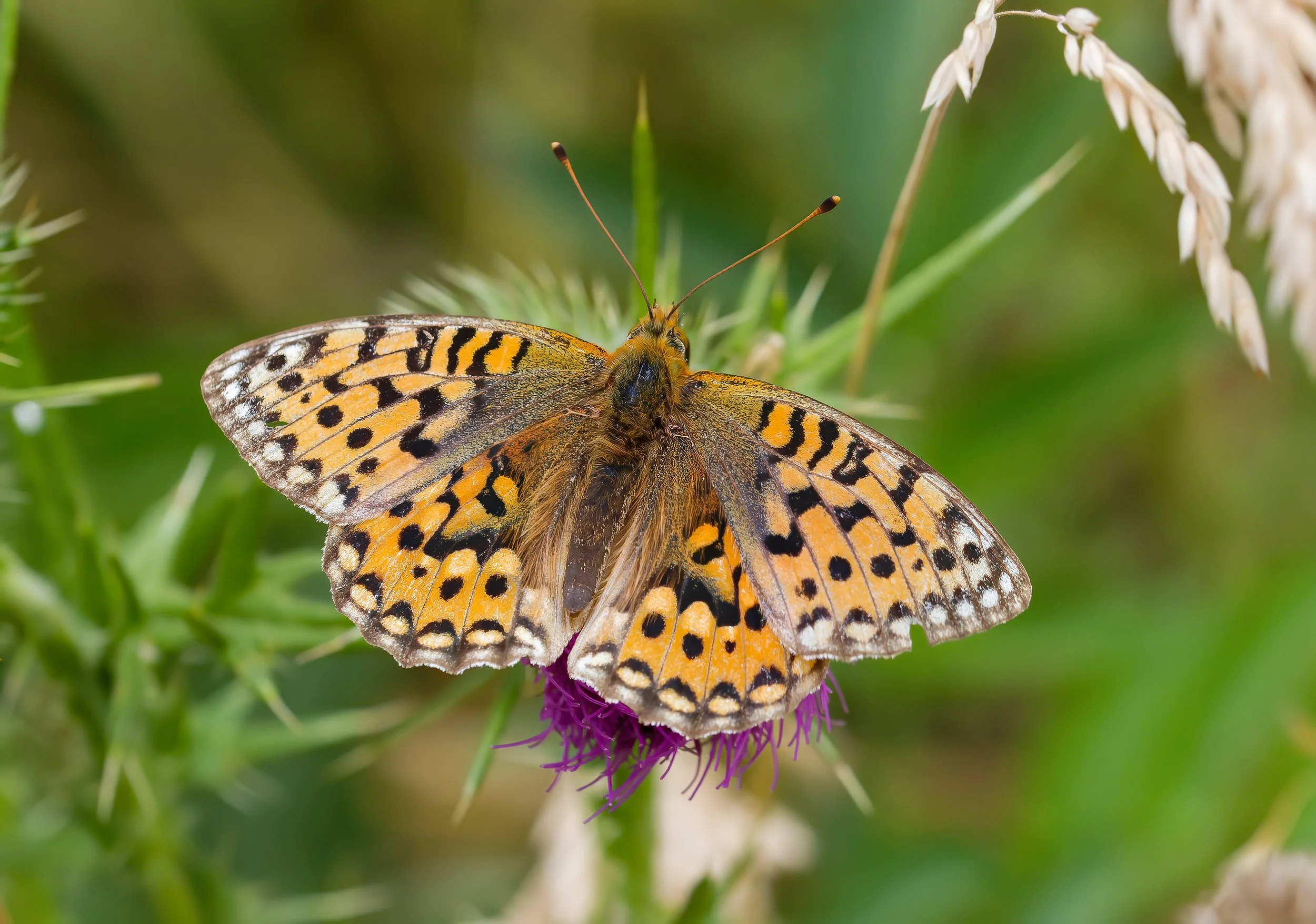
Dark Green Fritillary
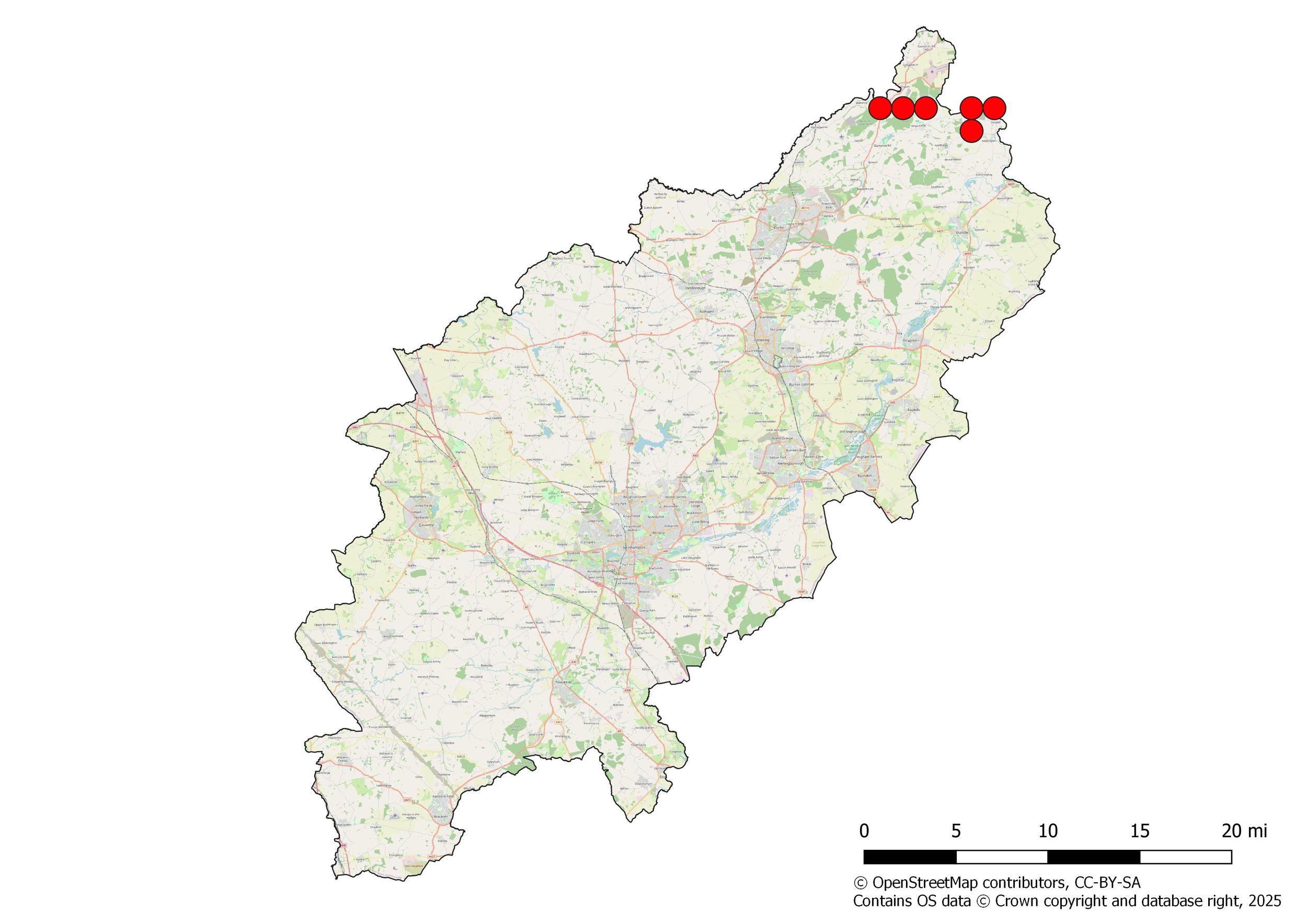
Dark Green Fritillary Distribution
Silver-washed Fritillary
The Silver-washed Fritillary shows an 87% increase in records above the previous year, which is slightly below the 10 year average at minus 4%. This is another butterfly that has really increased its range in recent year and can pop up in any of our woodlands. However, the best sites to see them were Ashton Wold, Brampton Wood, Bucknell Wood, Fermyn Wood, Fineshade Wood, Hazelborough Forest and Wood, Old Sulehay, Salcey Forest, and Wakerley Wood. The first one of the year was recorded on the 10th of June at Barford Meadows, and the last one of the year was seen on the 23rd of August in Fineshade Wood.
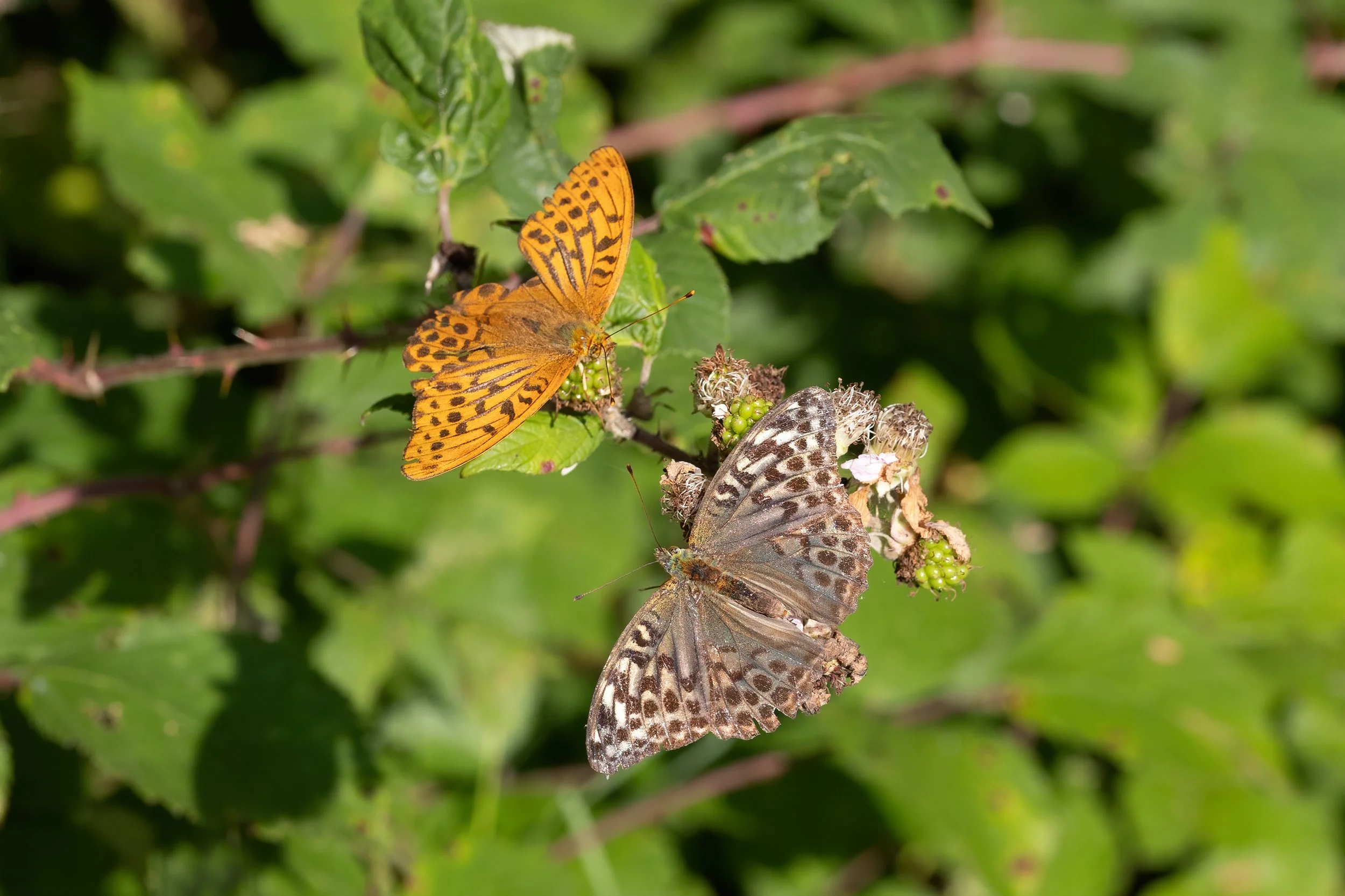
Silver-washed Fritillary male and female (female f. valesina)
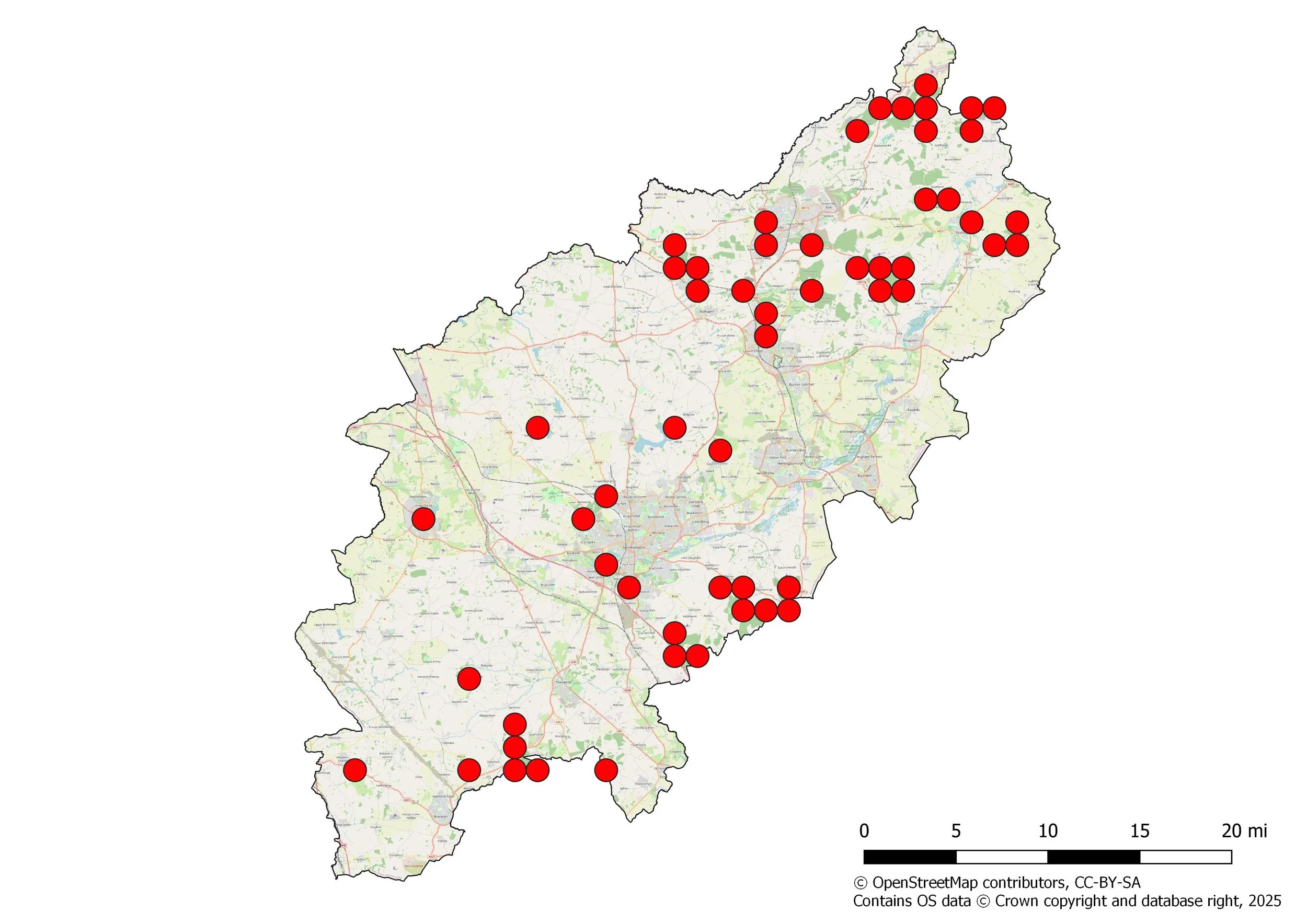
Silver-washed Fritillary Distribution
Speckled Wood
The Speckled Wood had a very good season in 2025 with a 34% increase in records above the previous year, and a 61% increase above the 10 year average. This is a widespread butterfly which could be seen anywhere with suitable habitat. The first one of the year was seen on the 2nd of April at Summer Leys Nature Reserve, and the last one of the year was seen on the 30th of October at Coton Manor.
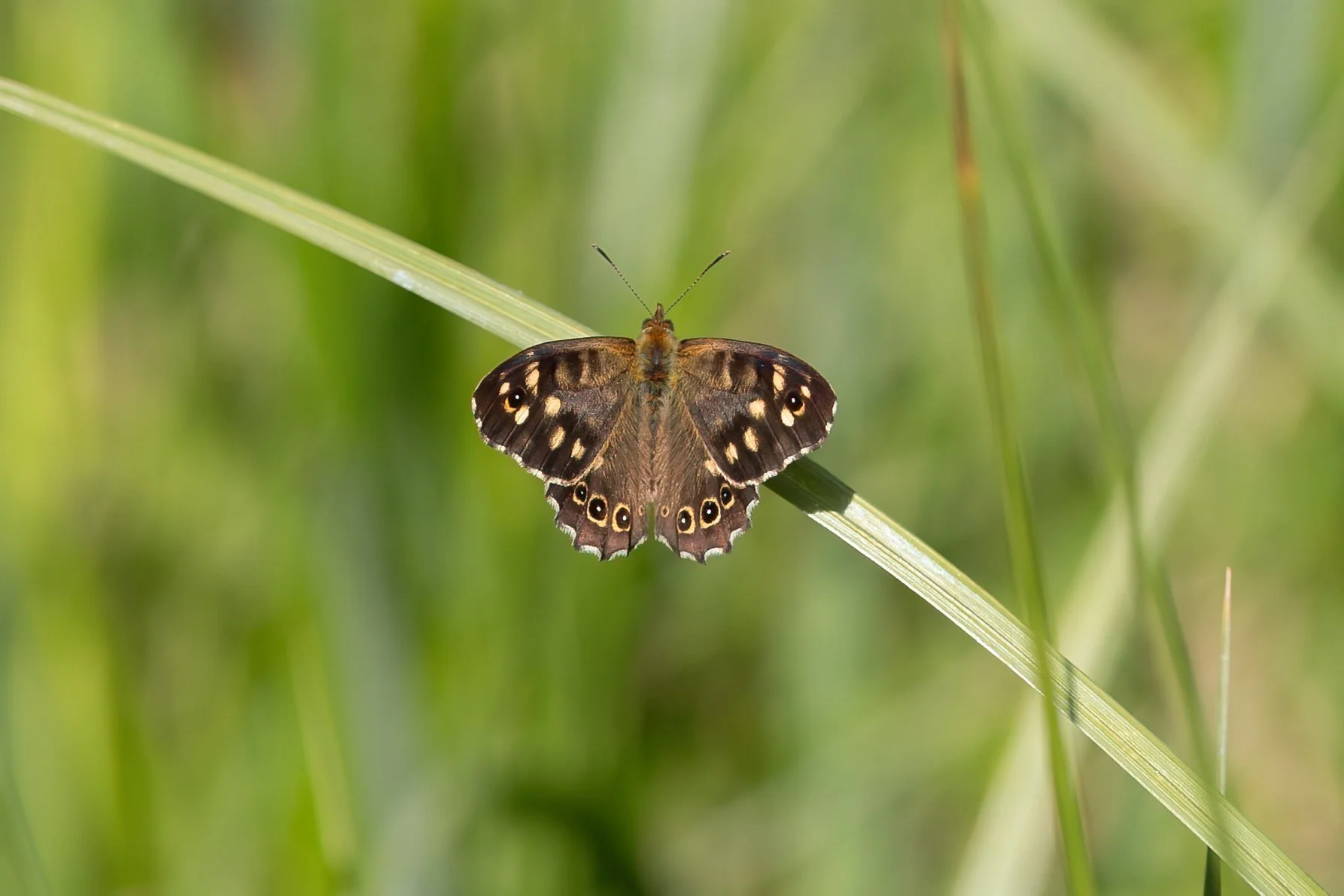
Speckled Wood
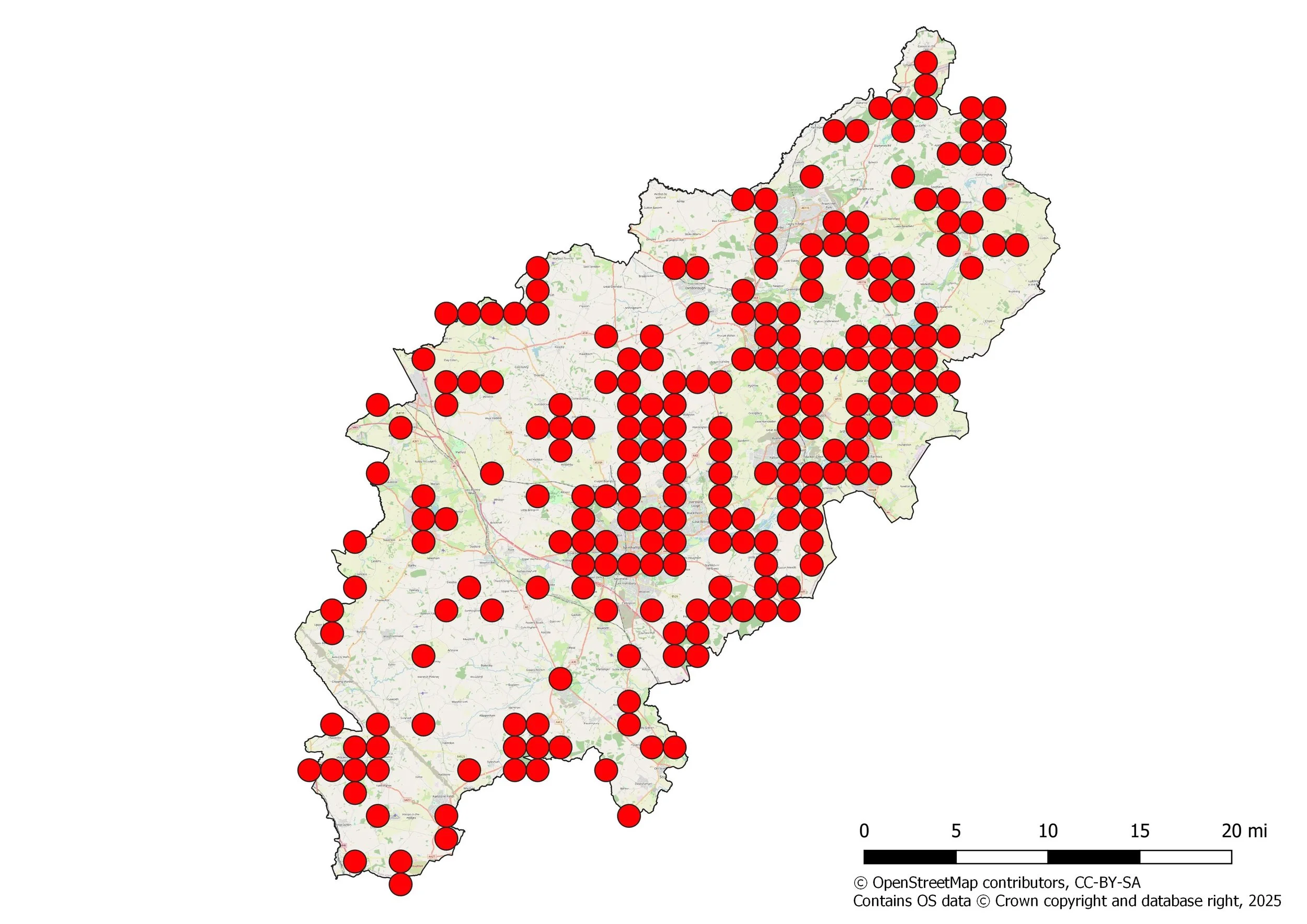
Speckled Wood Distribution
Marbled White
The Marbled White showed a 7% increase in records above the previous year, but this is still 13% below the 10 year average for the species. This grassland butterfly has really increased its range in recent years and could be seen anywhere with suitable habitat. However, the best sites to see them were Bradlaugh Fields, Croughton Pocket Park, Fermyn Country Park, Fineshade Wood, Harrington Airfield, Hollowell Reservoir, Lilbourne Meadows, Old Sulehay and Ring Haw, and Salcey Forest. The first one of the year was seen on the 2nd of June in Fermyn Wood, and the last one of the year was recorded on the 10th of August at King’s Cliffe.
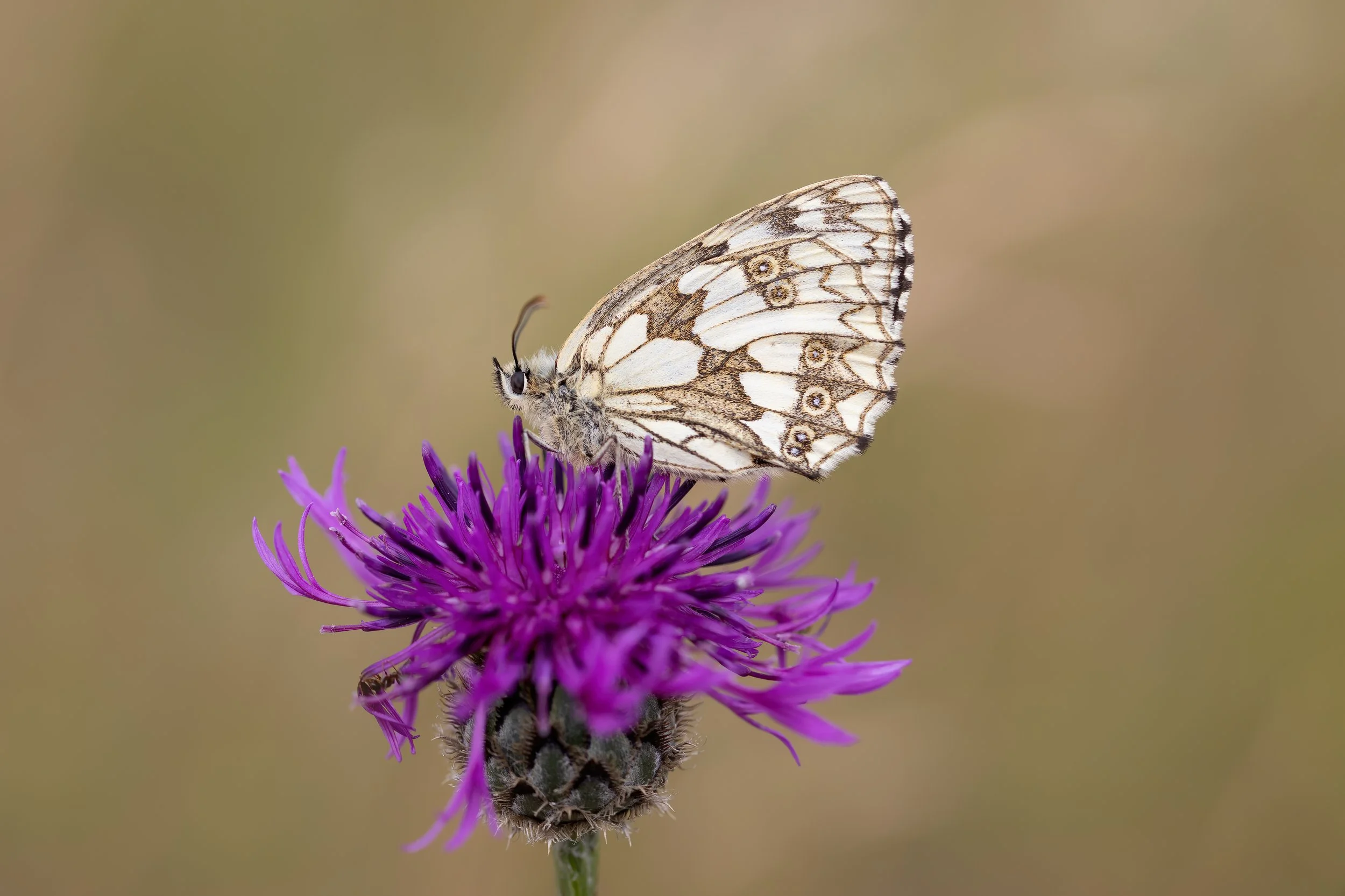
Marbled White
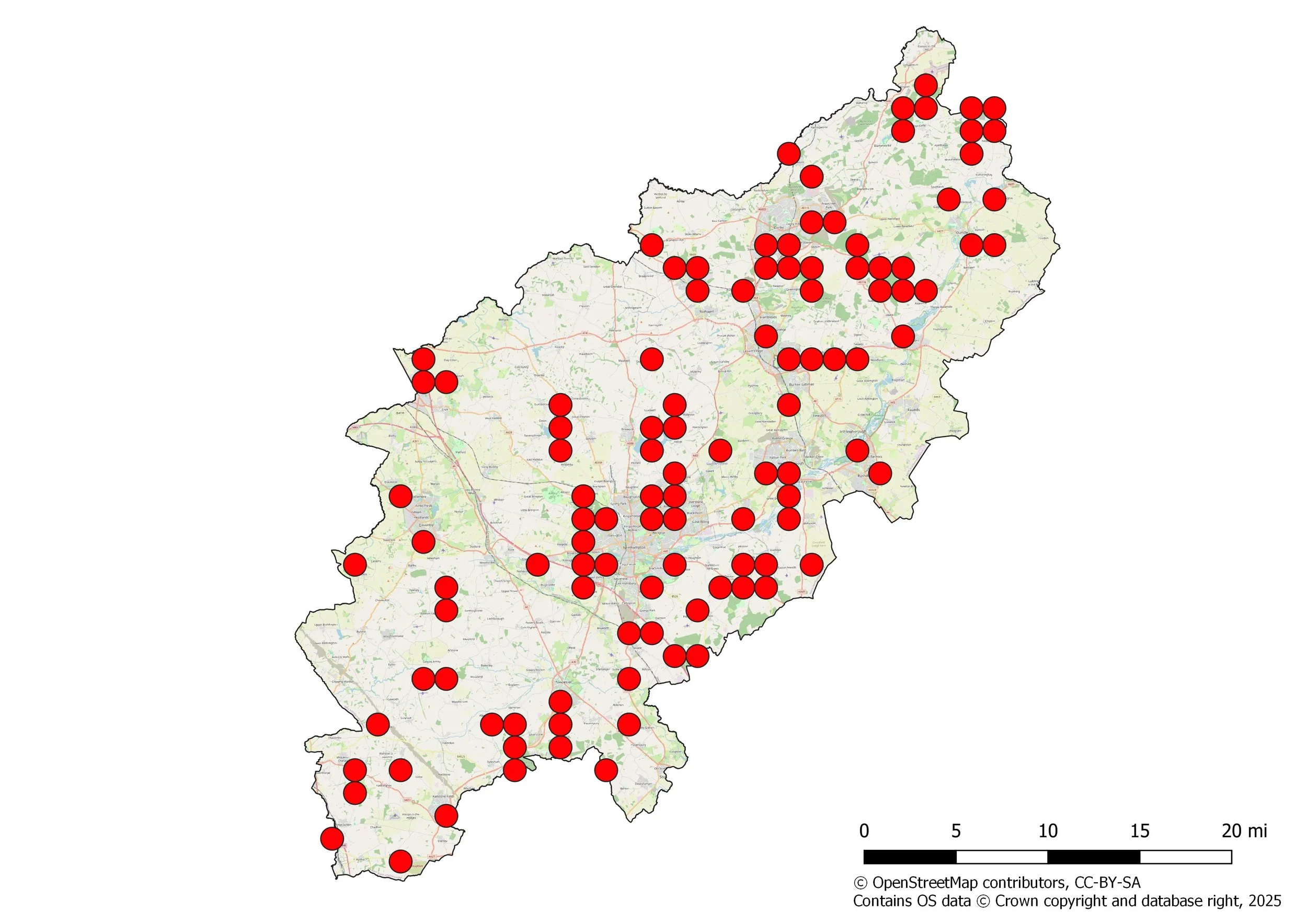
Marbled White Distribution
Gatekeeper
The Gatekeeper had a good season in 2025, and although the numbers were almost exactly the same as the year before, this is still 53% above the 10 year average. This is a common butterfly which could be seen anywhere with suitable habitat. The first one of the year was seen on the 2nd of June in Fineshade Wood, and the last one of the year was seen on the 14th of September in Fermyn Wood.
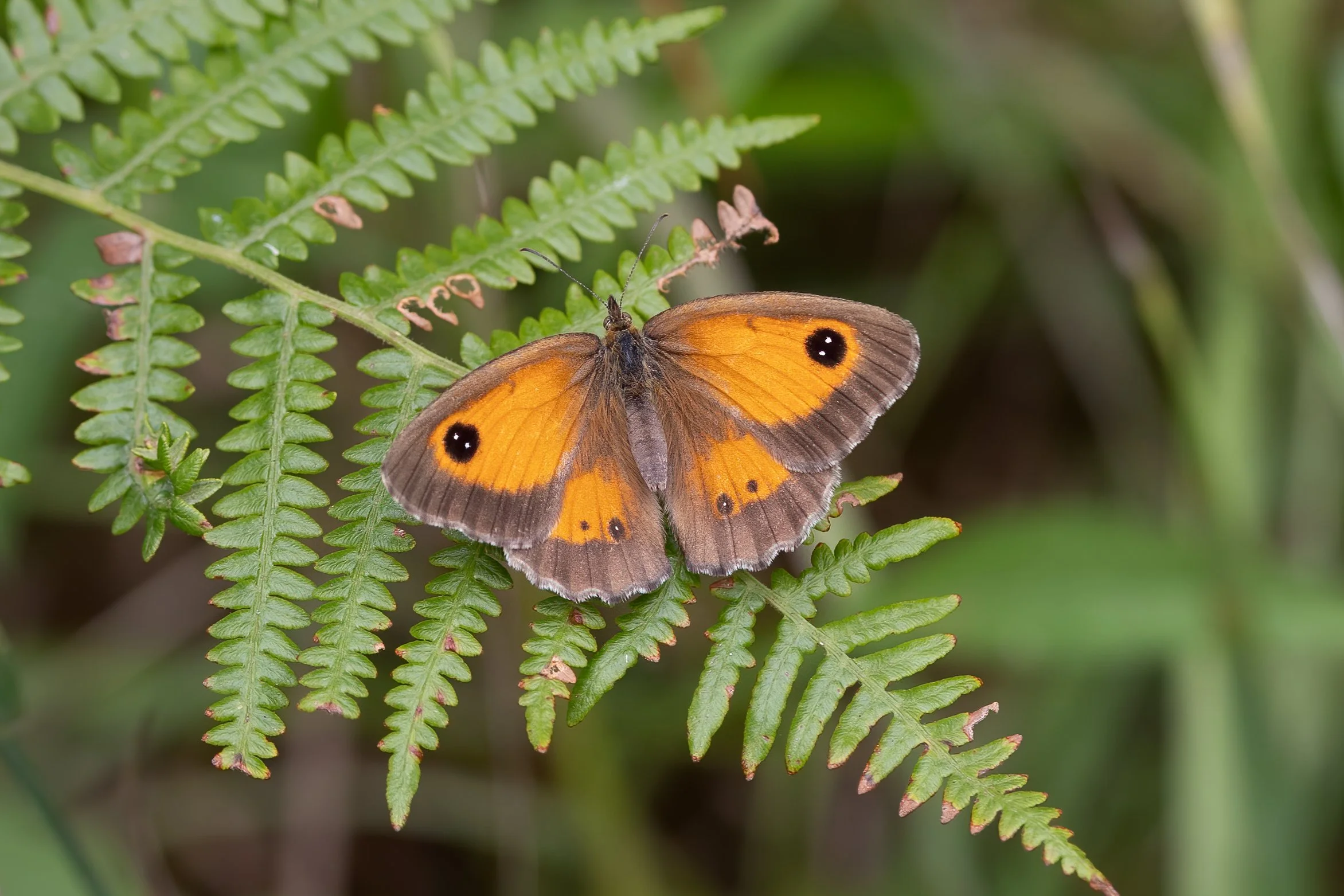
Gatekeeper
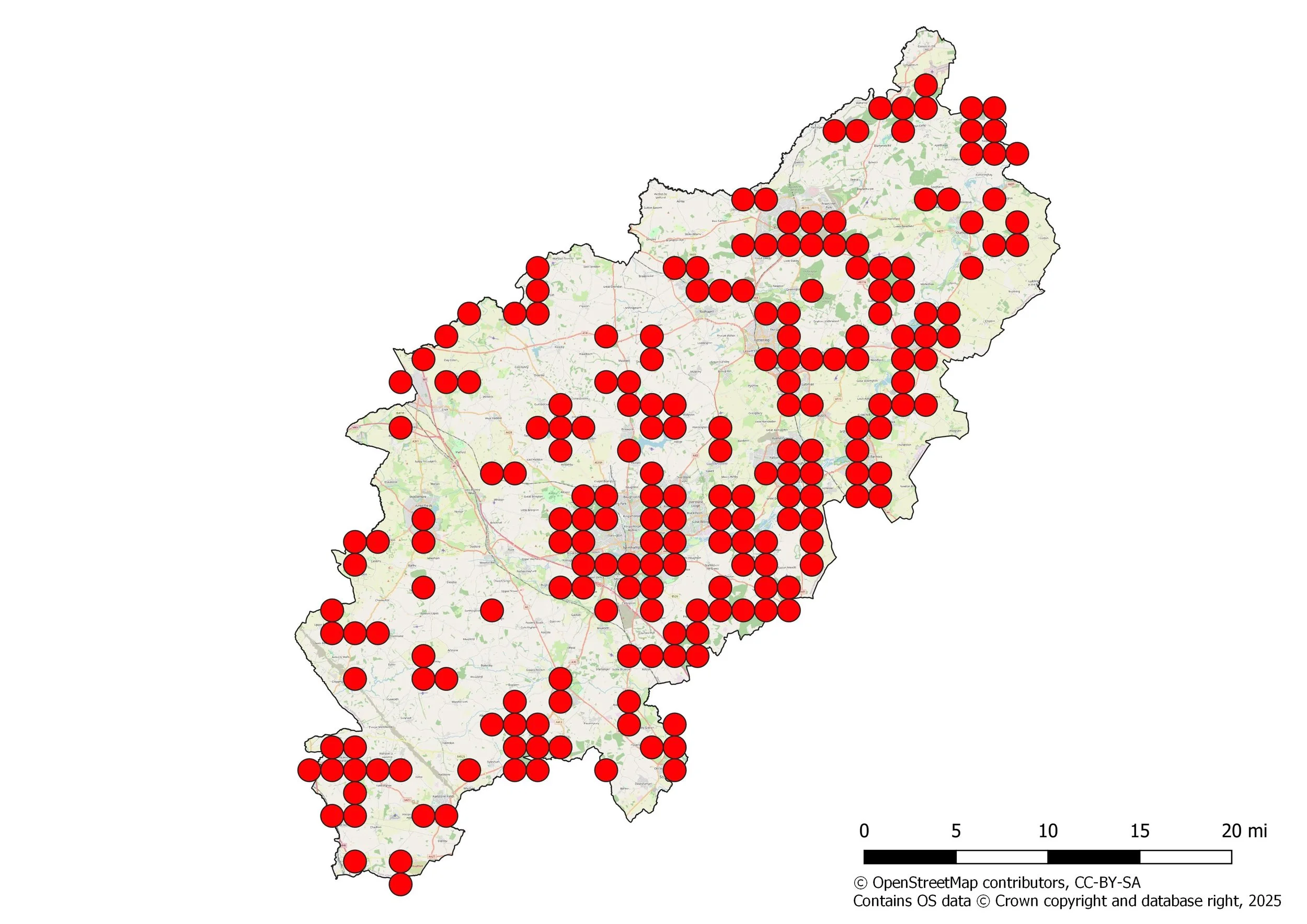
Gatekeeper Distribution
Meadow Brown
The Meadow Brown saw a slight 12% drop in records below the previous year, which is an 11% drop in records below the 10 year average. This is a common butterfly which could be seen anywhere with suitable habitat. The first one of the year was recorded on the 14th of May in Little Harrowden, and the last one of the year was seen on the 2nd of October at Ring Haw.
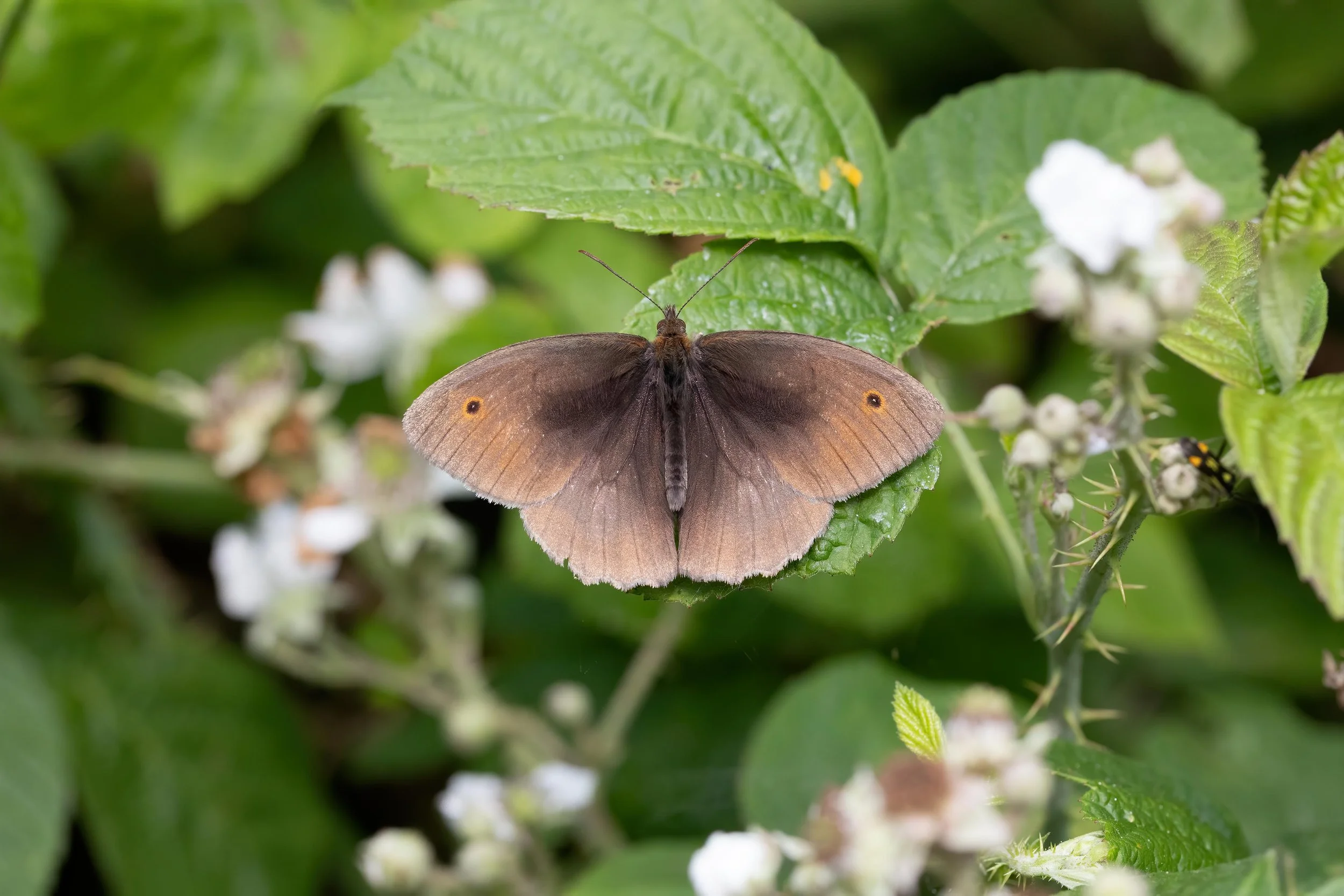
Meadow Brown
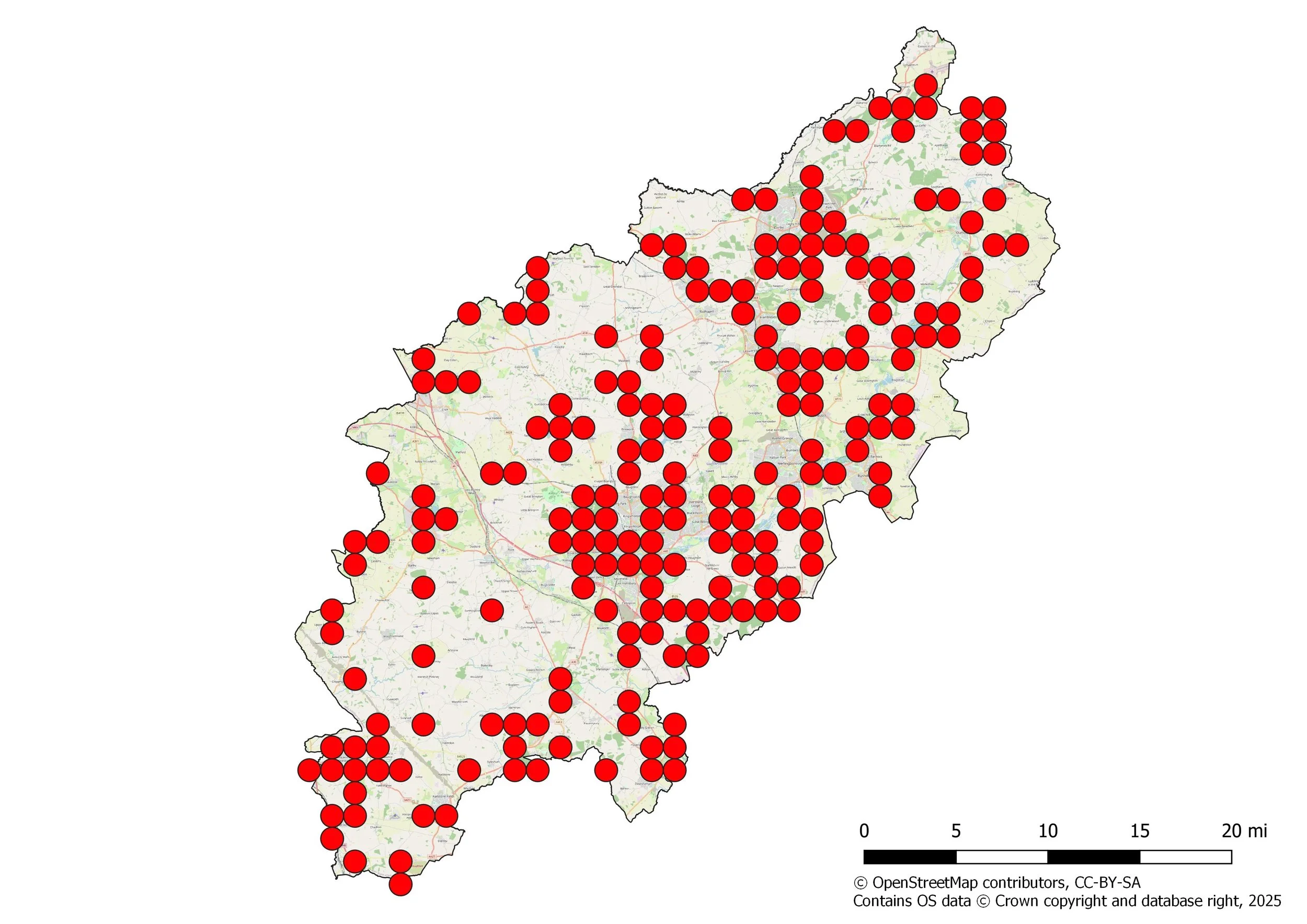
Meadow Brown Distribution
Ringlet
The Ringlet had a fairly good year in 2025, and despite an 18% drop in records from the previous year, it was still 15% above the 10 year average. This is a very common butterfly which could be seen anywhere with suitable habitat. The first one of the year was recorded on the 30th of May at Old Sulehay, and the last one of the year was recorded on the 23rd of August, also at Old Sulehay.
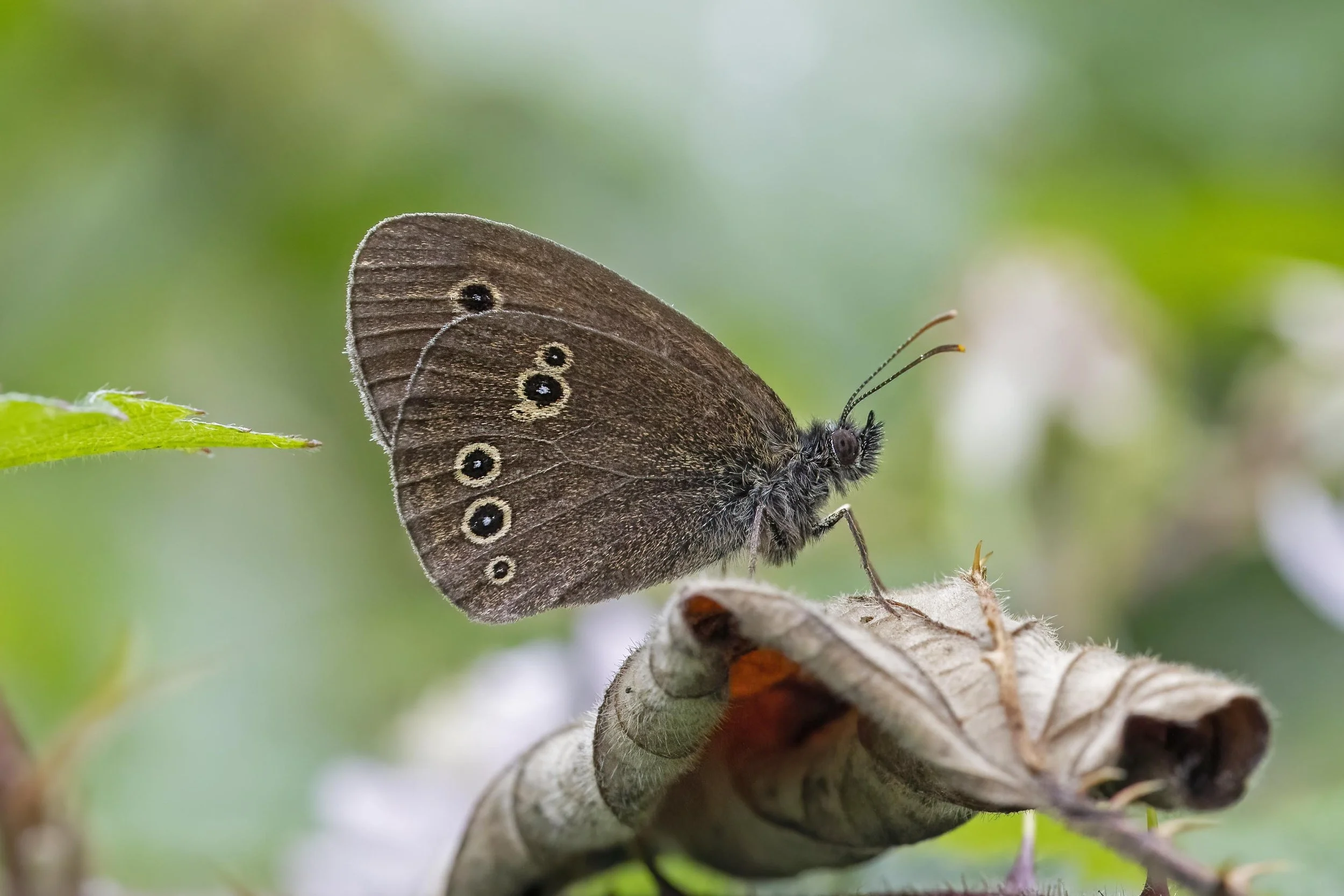
Ringlet
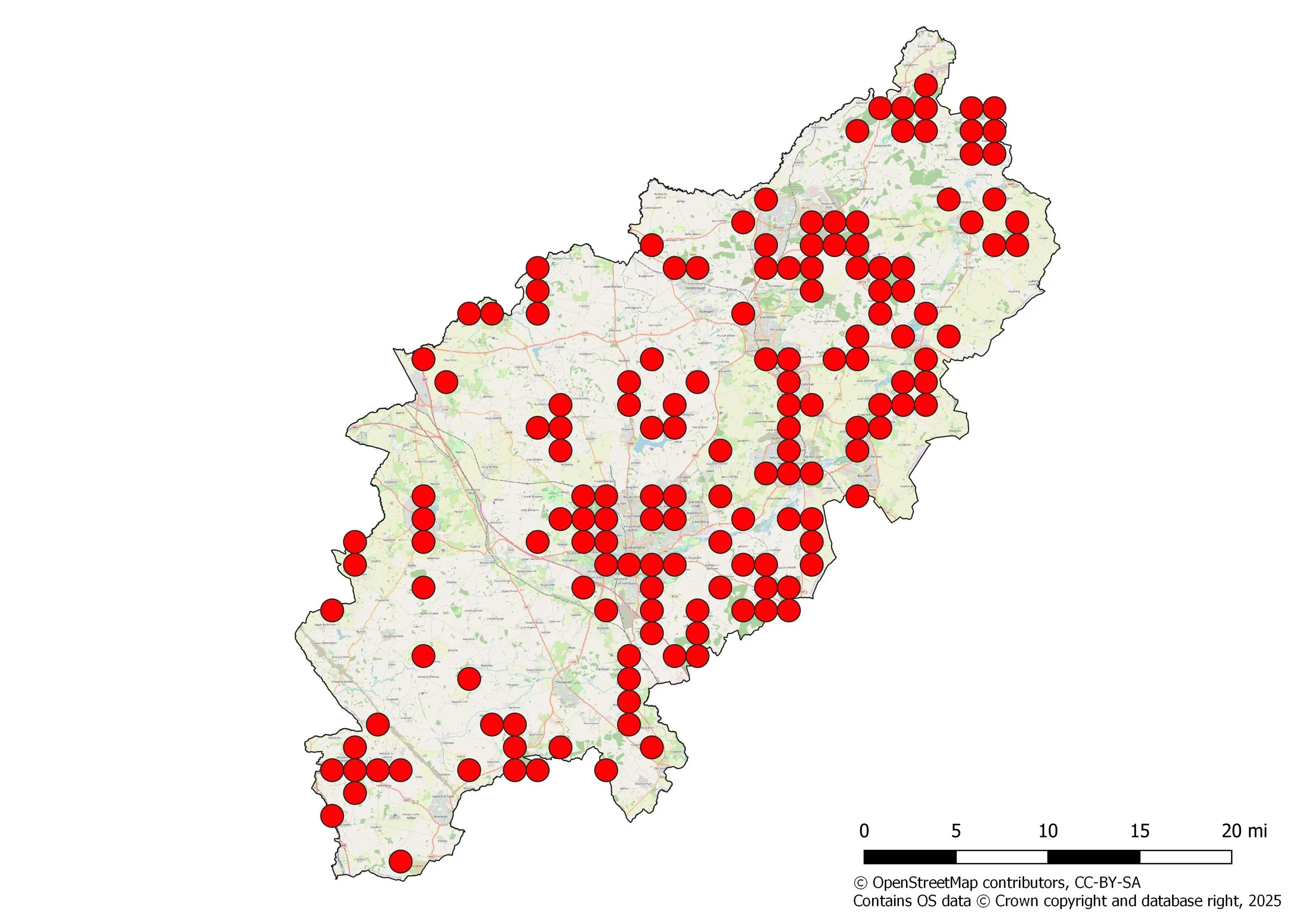
Ringlet Distribution
Small Heath
The Small Heath had an excellent flight period in 2025, with records showing an 82% increase from the previous year, and an 86% increase in records above the 10 year average. This is another butterfly that has expanded its range quite dramatically in recent years and is now becoming a fairly common sight in the wider countryside; however, the best sites to see them were Bradlaugh Fields, Collyweston Quarry, Fermyn Country Park, Fineshade Wood, Harrington Airfield, Lyveden New Bield, Old Sulehay and Ring Haw, Summer Leys Nature Reserve, and Twywell Hills and Dales. The first one of the year was seen on the 22nd of April at Old Sulehay, and the last one of the year was recorded on the 22nd of October at Summer Leys Nature Reserve.
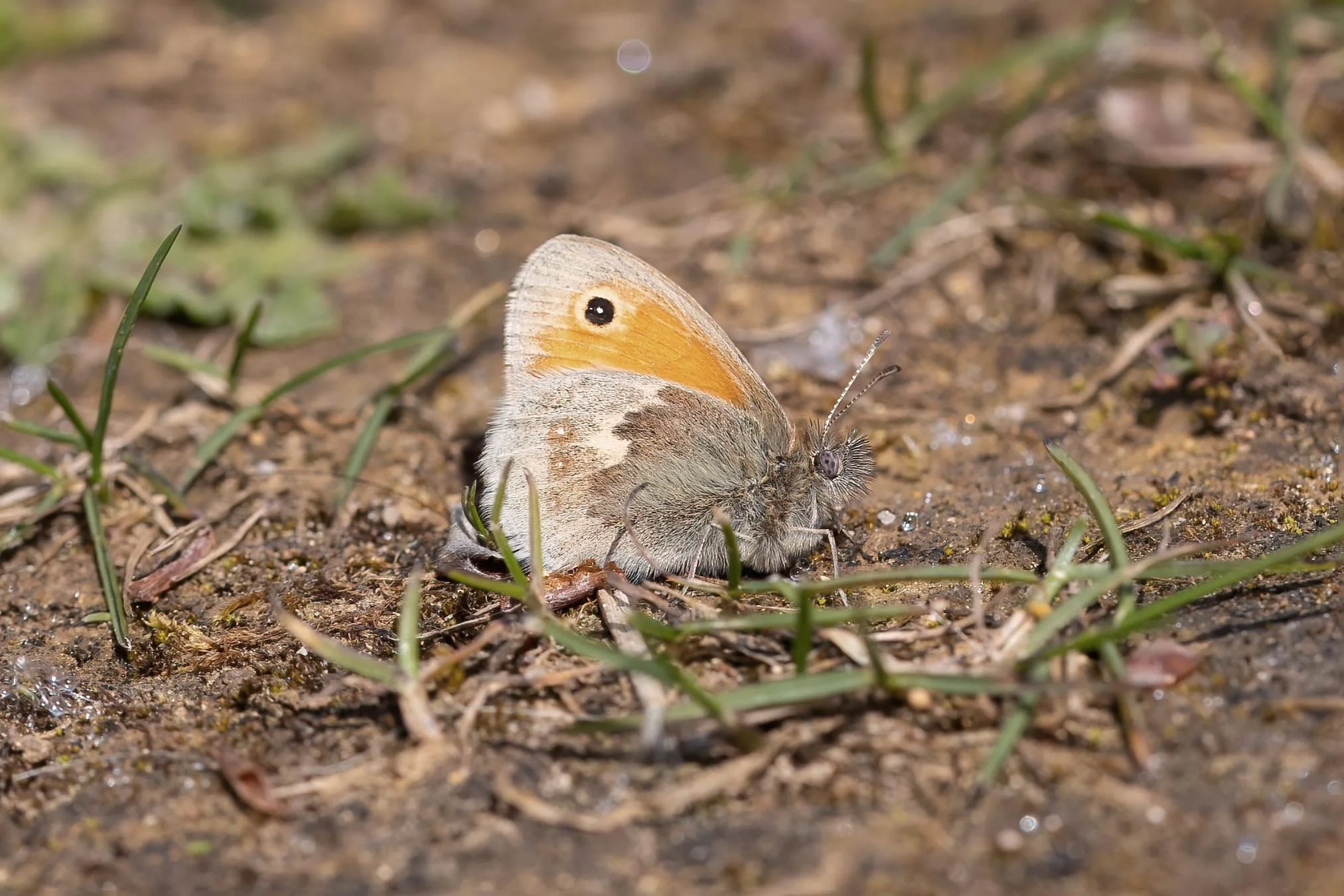
Small Heath
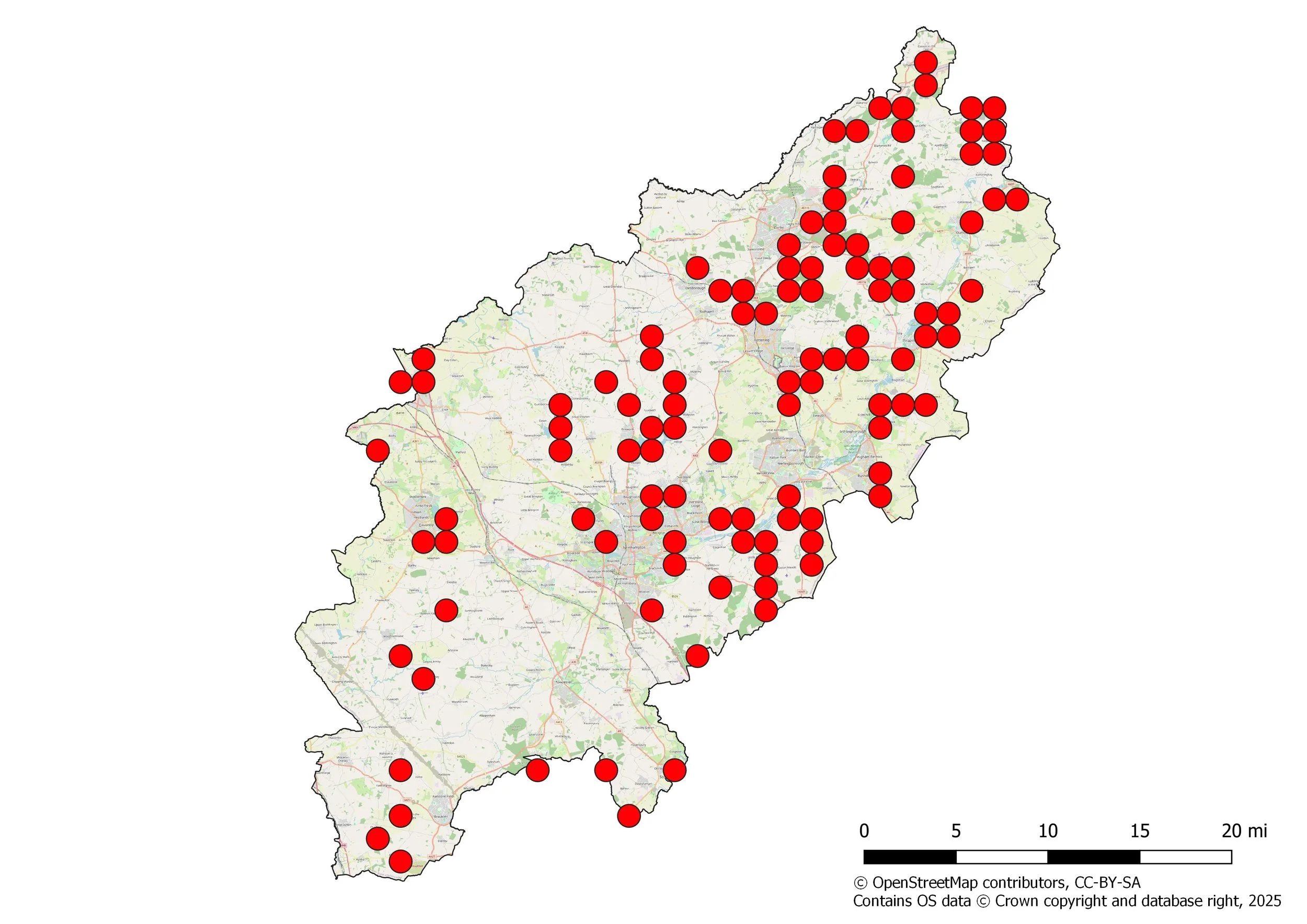
Small Heath Distribution
Wall
On the 8th of September, I received an extremely exciting record, corroborated with a photograph, of a Wall Brown in Woodnewton. This species has been considered extinct in the county for a number of years and, like the Small Blue in the previous account, was seen tantalizingly close to where the last county records for the species were found. This one could, of course, have flown in from a neighbouring county, but it does also suggest the possibility that they may have continued to exist in the county and that this was a straggler from an unknown local colony. A couple of us did some searching of the landscape straight after this sighting, but sadly, it was to no avail, and no more could be found. However, this and the aforementioned Small Blue just go to show that there are more discoveries out there to be made, especially in the wider countryside.
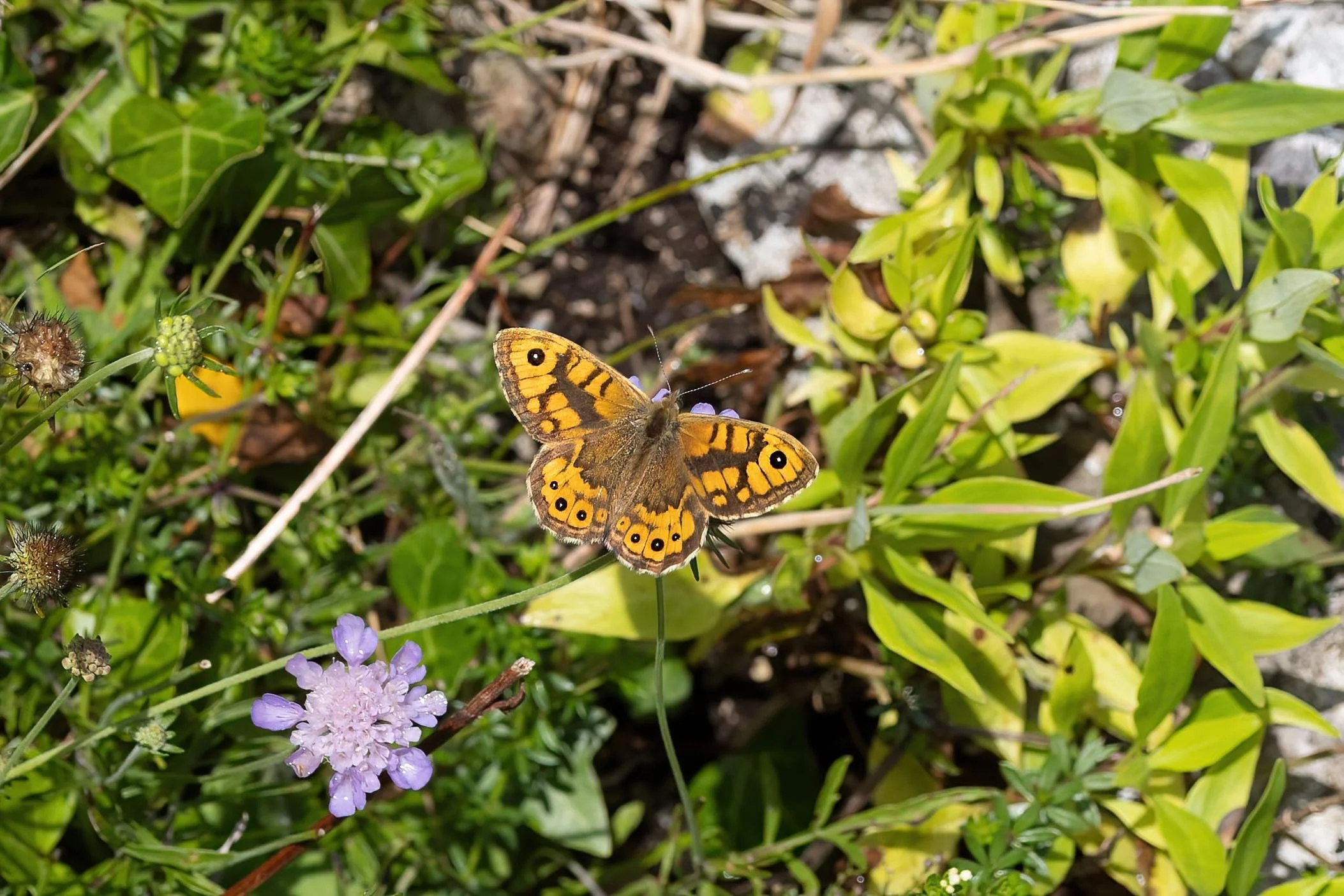
Wall
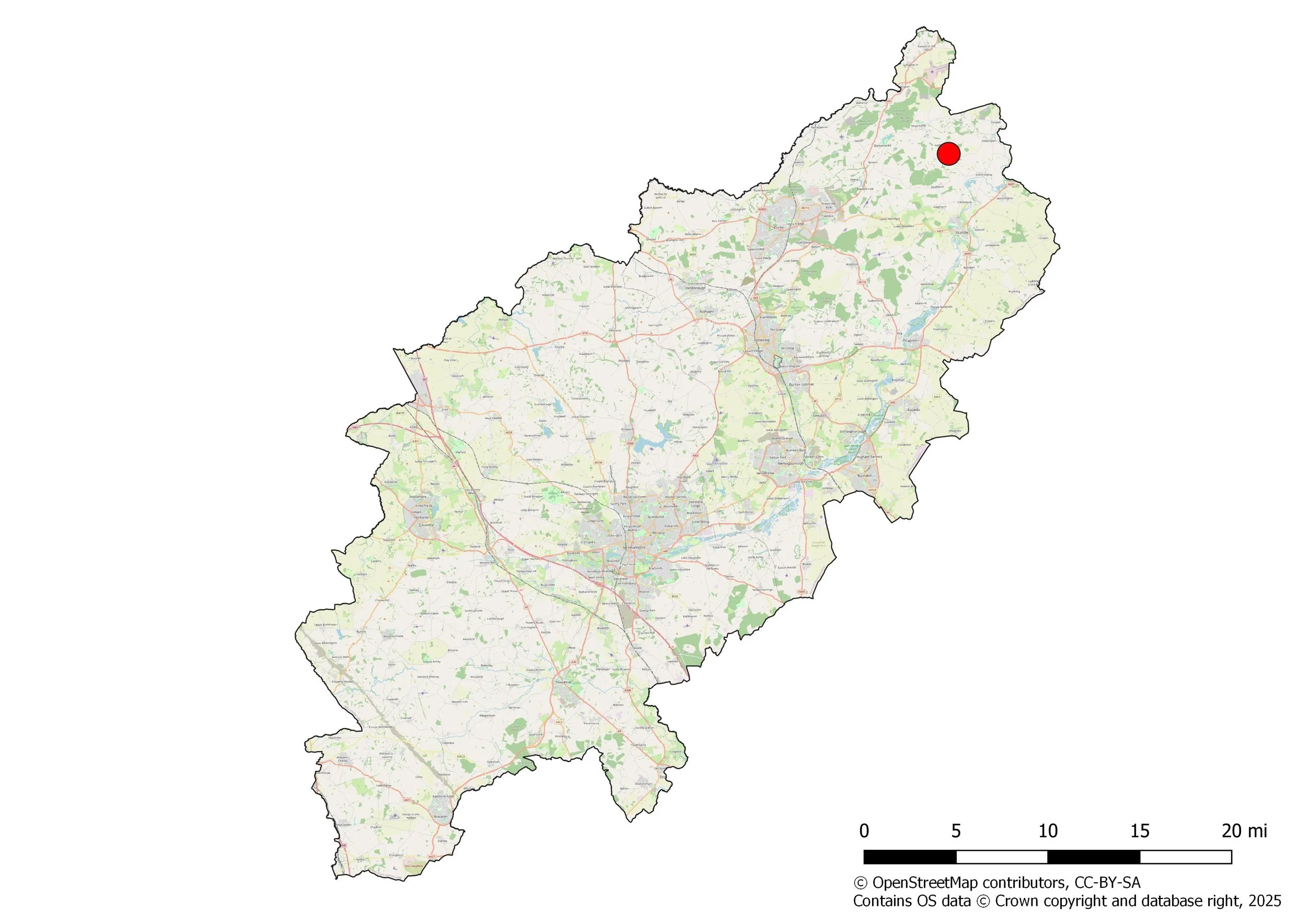
Wall Distribution